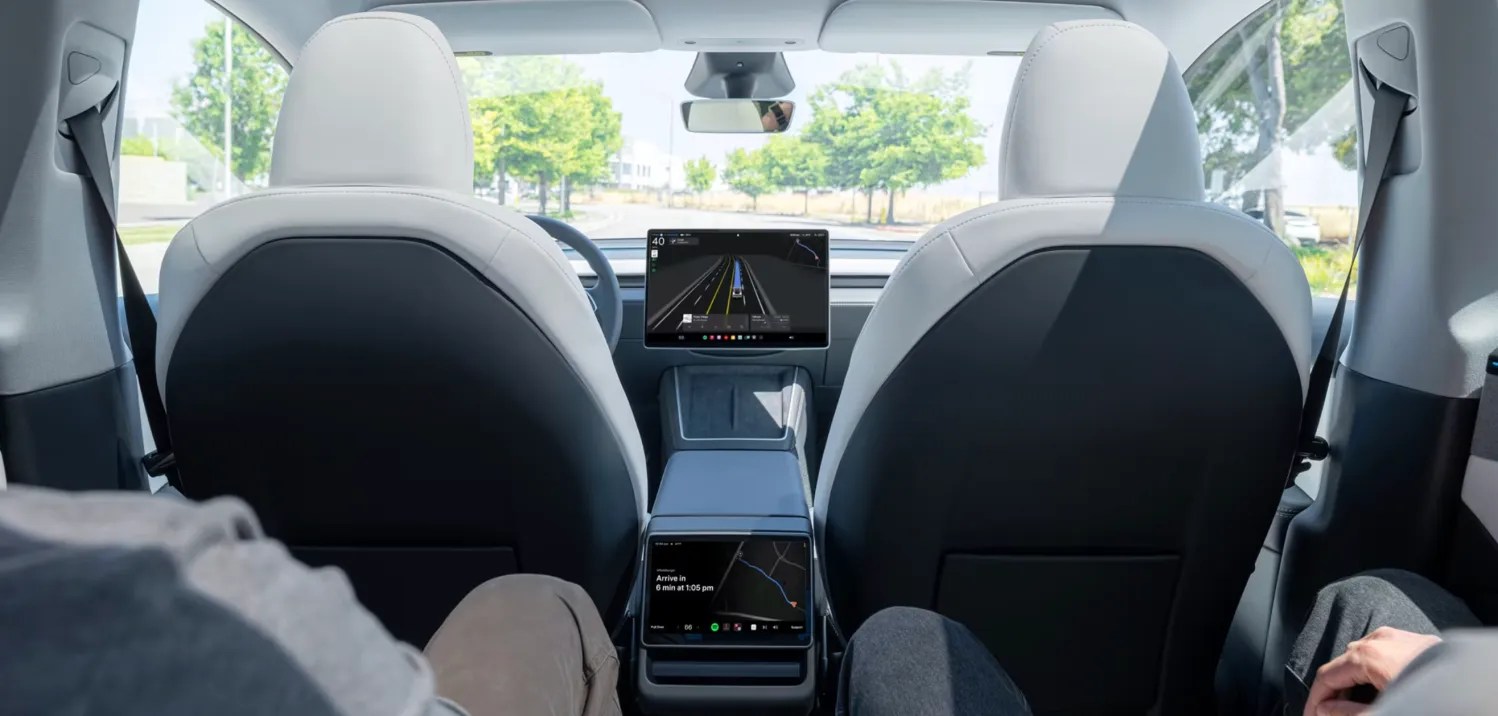
The Nevada Transportation Authority has granted Tesla's newly formed Tesla Robotaxi, LLC an Autonomous Vehicle Network Company (AVNC) permit to operate driverless vehicles in Las Vegas — but sharply constrained the operation to a maximum fleet of 10 vehicles, versus Tesla's original request for up to 5,000 during the first 12 months.
What Tesla asked for and what it got
Tesla filed docket 26-05015 with the Nevada Transportation Authority in early June, requesting authority to run up to 5,000 driverless cars across all of Clark County — including pickups at Harry Reid International Airport and Henderson Executive Airport. The Authority signed off on July 27 with a materially narrower interim order: ten fully autonomous vehicles, operating only within a regulator-approved geofence on the Las Vegas Strip, capped at 45 mph, and barred from serving either airport.
Other conditions: every vehicle must display a "robotaxi" label, riders must be told they are riding in a driverless vehicle, and every trip requires "appropriate human supervision." Expanding the fleet beyond 10 units will require going back to the Authority for another approval.
Zoox is authorized for 100
The Nevada decision lands as Amazon-owned Zoox is already running paid driverless rides in Las Vegas under AVNC Permit 001, whose most recent amendment allows a fleet of up to 100 vehicles. Waymo — which just secured a major California expansion — has its own Nevada application (docket 26-06007) pending, alongside a filing from Uber's Aviari Services subsidiary.
The software is the bottleneck
The permit cap may look punitive, but analysts pointed out that Tesla's entire nationwide unsupervised "Robotaxi" pilot fleet is currently only around 20 vehicles at any one time — meaning even the 10-vehicle Nevada allocation would represent a roughly 50 percent expansion of Tesla's national driverless deployment. Regulators haven't publicly explained the 500x scale-down, but industry watchers note there are only about 1,000 total taxi permits in Las Vegas overall.
Tesla's earlier Austin operation peaked near 25 driverless vehicles in late April 2026 and has since drifted lower. The company continues to race Zoox on production ramp-up, but has been building Cybercabs faster than it can deploy them into driverless service, and CEO Elon Musk has said the program will not generate material revenue before 2027.
What comes next
Tesla is expected to spin up its Nevada operation with a handful of vehicles as it works through the Authority's geofence approval and vehicle-labeling requirements. The bigger open questions are whether Tesla can win expansions in Clark County and, in the background, whether its Full Self-Driving stack can safely support the sort of citywide autonomy Waymo and Zoox have already demonstrated in Vegas and Phoenix.
Reporting based on coverage from the Nevada Transportation Authority and Electrek.