Unitree IPO Validates Hardware Business Model, But Humanoid Market Remains Nascent
Unitree's IPO demonstrates a viable robotics hardware business, though experts caution that industrial humanoid applications are still in early stages.
Key Takeaways
Unitree's IPO demonstrates that hardware-focused robotics companies can build sustainable business models, unlike many AI-heavy startups struggling to monetize software-first approaches.
The company generates revenue through direct sales of its Go series quadruped robots and G1 humanoid platform, priced competitively against Boston Dynamics alternatives.
Unitree's success stems from targeting proven markets like education, research institutions, and security rather than speculative use cases, producing consistent cash flow.
Experts caution that industrial humanoid applications remain years from widespread adoption due to gaps in reliability, speed, and cost-effectiveness.
The G1 humanoid currently serves mainly research and demonstration purposes, while industrial automation still relies on traditional robotic arms and task-specific mobile platforms.
The Robotics Media Editorial
Chinese robotics manufacturer Unitree's initial public offering represents a significant milestone for hardware-focused robotics companies, demonstrating that sustainable business models exist beyond pure software plays. The company has built credibility through its quadruped robot platforms and expanding humanoid robot portfolio.
Hardware Revenue Model Proves Viable
Unitree's path to public markets contrasts sharply with AI-heavy robotics startups that struggle to monetize software-first approaches. The company generates revenue through direct hardware sales of its Go series quadruped robots and newer G1 humanoid platform, priced competitively against Boston Dynamics alternatives.
Industry analysts note Unitree's success stems from focusing on proven markets like education, research institutions, and security applications rather than speculative use cases. This approach has generated consistent cash flow necessary for public market viability.
Humanoid Industrial Applications Still Premature
Despite Unitree's humanoid robot development, robotics experts emphasize that industrial humanoid applications remain years away from widespread adoption. Current humanoid platforms lack the reliability, speed, and cost-effectiveness required for manufacturing environments.
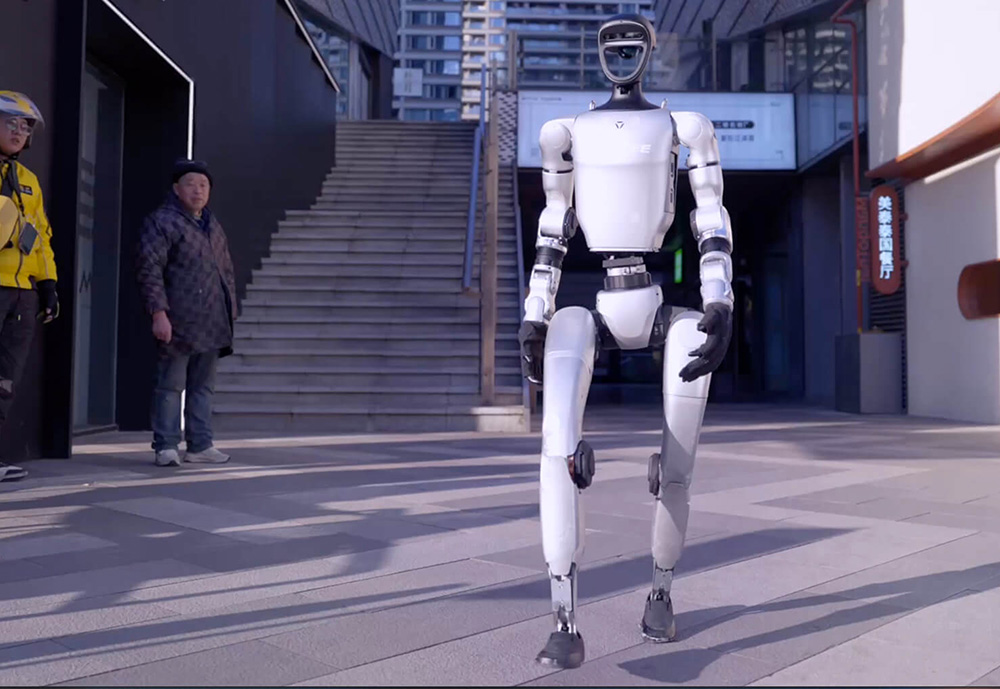
The company's G1 humanoid robot, while technically impressive, primarily serves research and demonstration purposes rather than production workflows. Most industrial automation continues relying on traditional robotic arms and mobile platforms optimized for specific tasks.
Unitree's IPO success validates hardware-centric business models in robotics, but the company's long-term growth will depend on expanding beyond niche markets into scalable industrial applications as the technology matures.
What does Unitree's IPO mean for the robotics industry?
It validates hardware-centric business models, showing that robotics companies can achieve public market viability through direct hardware sales rather than software-first strategies.
How does Unitree make money?
Through direct hardware sales of its Go series quadruped robots and G1 humanoid platform, focusing on proven markets such as education, research institutions, and security applications.
Are humanoid robots ready for industrial use?
No. Experts say industrial humanoid applications are years from widespread adoption because current platforms lack the reliability, speed, and cost-effectiveness needed for manufacturing environments.
What is the Unitree G1 humanoid robot used for today?
The G1 primarily serves research and demonstration purposes rather than production workflows, which still depend on traditional robotic arms and specialized mobile platforms.