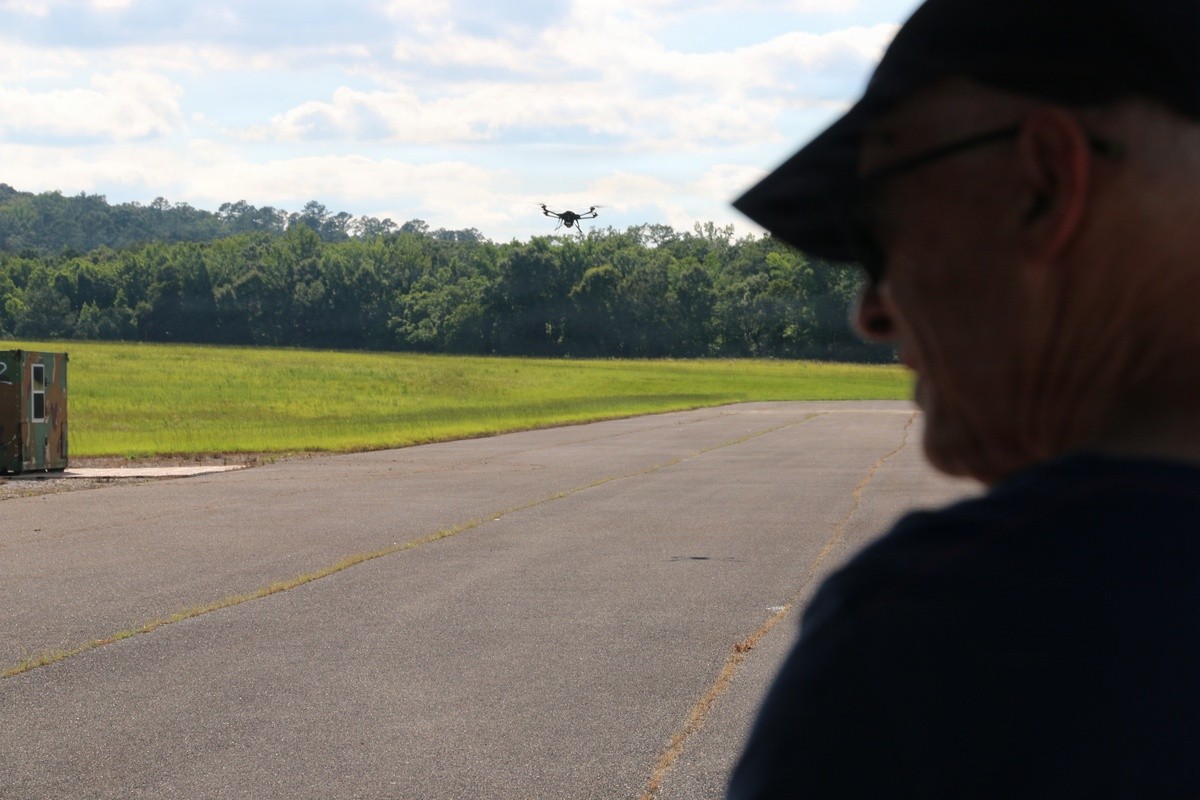
The US Army has narrowed its next platoon-level small-drone contest to five suppliers, saying Parrot, Skydio, Skycutter, Teal Drones and Vantage Robotics will move into manufacturing-readiness assessments after a June fly-off at Clarke Range near Anniston, Alabama. The Aug. 10 announcement locks the industry roster for the next tranche of Short Range Reconnaissance (SRR) UAS the service is fielding across its platoons.
Marketplace Contracting Compresses The Cycle
The competition also gives an early look at how the Army's UAS Marketplace acquisition strategy trades a traditional single-source development program for rolling evaluations of commercial systems. PM UAS issued a Call for Solutions this spring, moved qualifying vendors straight into a live June fly-off with more than a dozen entrants, and is now filtering the five finalists on both operational capability and the ability to produce at scale.
Multi-Vendor Approach Preserves Competition
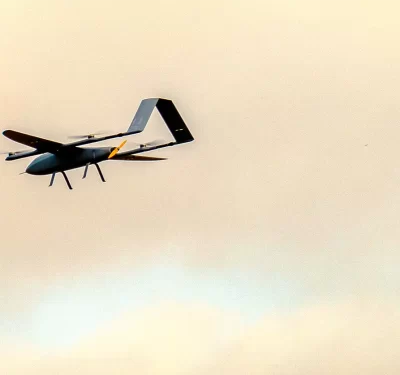
By carrying five vendors forward rather than declaring a winner, the Army is preserving alternative sources into production while it evaluates whether each system can be manufactured at the quantities SRR requires. Lt. Col. Mike Carroll, product manager for SUAS, said the marketplace contract, rapid industry response and direct soldier feedback are meant to accelerate fielding under the service's Transformation in Contact initiative.
Blue UAS Names Dominate The Slate
The finalist list reads as a snapshot of the Pentagon Blue UAS Cleared List. Skydio, coming off 1,000 X10 dock deployments and 4 million flights, offers its autonomous X10D reconnaissance platform. Teal Drones, a Red Cat subsidiary, brings the Black Widow that complements AeroVironment counter-UAS layers. Parrot fields the ANAFI USA already flying as the Army's RQ-70A, while Vantage Robotics contributes its Vesper folding drone and Skycutter its throwable ISR system.
Refresh Cycles Get Shorter
The SRR effort reflects a broader shift in Army small-UAS acquisition toward shorter tech-refresh cycles and greater reliance on commercially developed systems, a change the service says matches the pace at which battlefield requirements can now change. Production contracts are expected to follow the manufacturing-readiness assessments, though the Army has not committed to selecting a single vendor at that stage.
Reporting based on coverage from Inside Unmanned Systems and the US Army.