The United States announced new restrictions targeting Chinese robotics companies, opening market opportunities for competitors like Hyundai in the humanoid robot sector valued at $1.8 billion globally in 2023.
Policy Impact on Robotics Market
The restrictions limit Chinese robotics firms' access to US markets and technology partnerships, particularly affecting warehouse automation and logistics applications. Industry analysts project the humanoid robotics market will reach $13.8 billion by 2028, driven by labor shortages and automation demands.
Hyundai Motor Group has invested $400 million in Boston Dynamics since 2020 and recently unveiled its factory worker humanoid prototype. The company plans commercial deployment by 2025 in automotive manufacturing facilities.
Warehouse Automation Opportunities
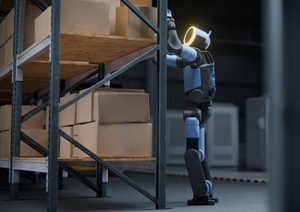
Humanoid robots offer unique advantages in existing warehouse infrastructure, operating 24/7 without facility modifications. Current AGV and robotic arm systems require specialized layouts, while bipedal robots navigate human-designed spaces including stairs and narrow aisles.
Major logistics companies including Amazon and FedEx have allocated $2.3 billion combined for automation technologies through 2025. The US policy shift redirects this investment toward non-Chinese suppliers, benefiting South Korean, Japanese, and American robotics manufacturers.
Tesla's Optimus robot program and Agility Robotics' Digit platform are positioned to capture market share previously targeted by Chinese competitors like UBtech and CloudMinds.