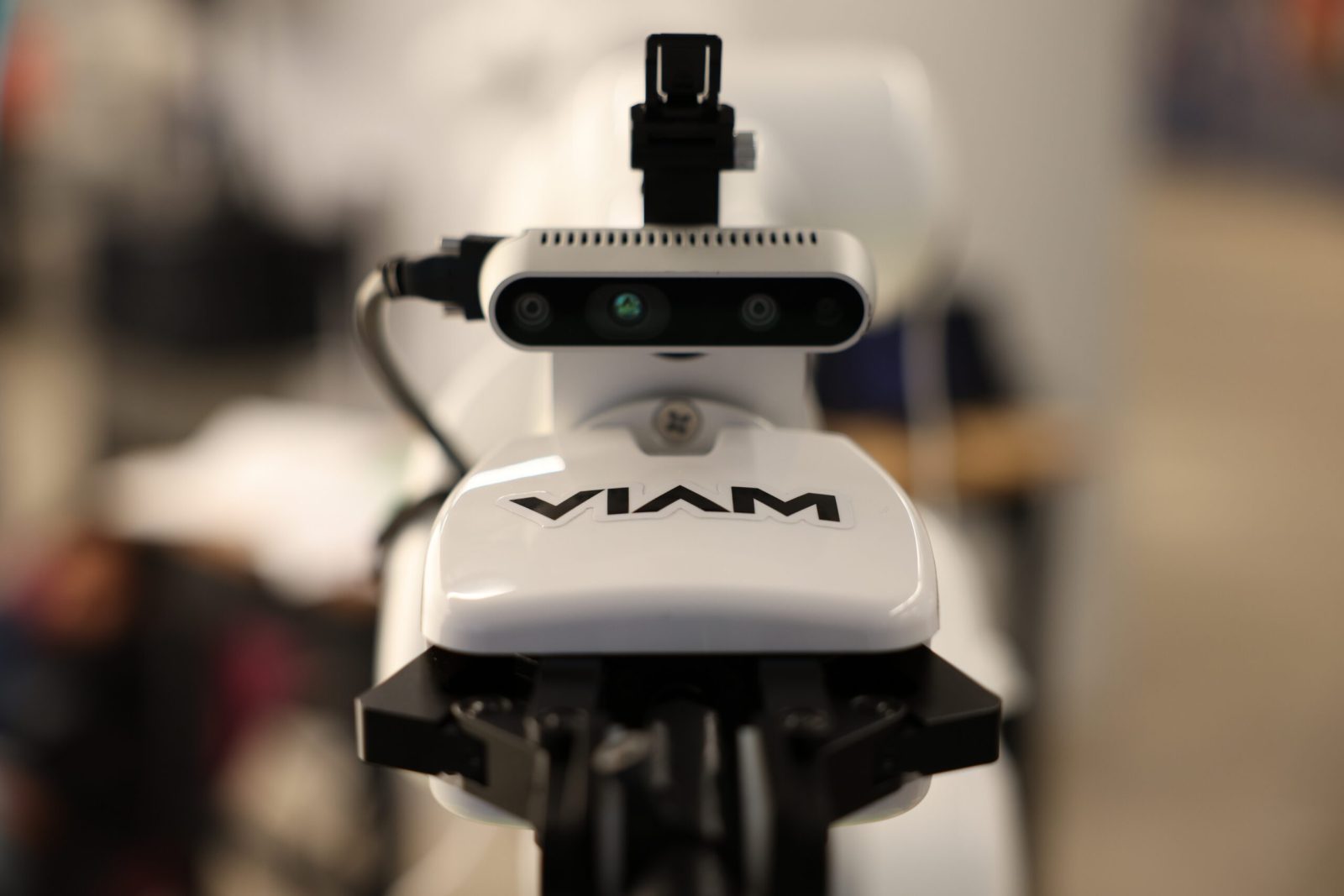
Robotics infrastructure company Viam has launched Viam Launchpad, a six-month incubator designed to carry robotics startups from early prototypes to paid commercial deployments, the company said on November 12, according to The Robot Report. The program provides engineering support, lab access, Viam platform credits and office space in New York, with a robot-arm testing area on site.
Early participants include RoboBuilt, which builds indoor construction robots; Gambit, an automated-kitchen startup co-founded by Viam's own Eliot Horowitz and Nicole Maffeo; plus Tennibot and Canyon Runner. Rather than ending with a demo day, the program culminates in what Viam calls an installation day, when participating startups are expected to have a robot running in a real customer environment rather than a staged showcase.
Targeting robotics' software gap
Viam's pitch centers on a funding imbalance it sees in the robotics market: venture investors have poured billions into humanoid hardware and foundation models this year, but comparatively little, roughly $1.3 billion by Viam's count, has gone into the software and engineering infrastructure that actually gets robots installed and running at a customer site. Viam positions Launchpad as a way to close that gap by giving hardware-focused founders a shared platform for fleet management, data handling and deployment, rather than requiring every startup to build that infrastructure from scratch.
"What we see with Viam is that a small team starting from zero can prototype in weeks or months, iterate, deploy, and capture real business with incredible velocity," said Eliot Horowitz, Viam's co-founder. RoboBuilt co-founder Alex Gray echoed the speed argument, saying the platform lets his team move "from planning in a digital environment to physical robot actions within minutes, not days."
Why this matters beyond one accelerator
The robotics industry has no shortage of accelerators for hardware and AI models, but fewer programs focused specifically on the unglamorous work of fleet software, safety compliance and customer installation that determines whether a robot stays deployed after the pilot ends. If Launchpad's installation-day graduates can show paying customers and renewed contracts, it could pressure other robotics software vendors and larger platform players, including Nvidia's Isaac ecosystem, to offer similar startup on-ramps.
Viam has not disclosed the size of the current cohort, any equity terms, or whether it plans to run Launchpad as a recurring program. The first cohort's installation day will serve as the clearest signal of whether the model works.