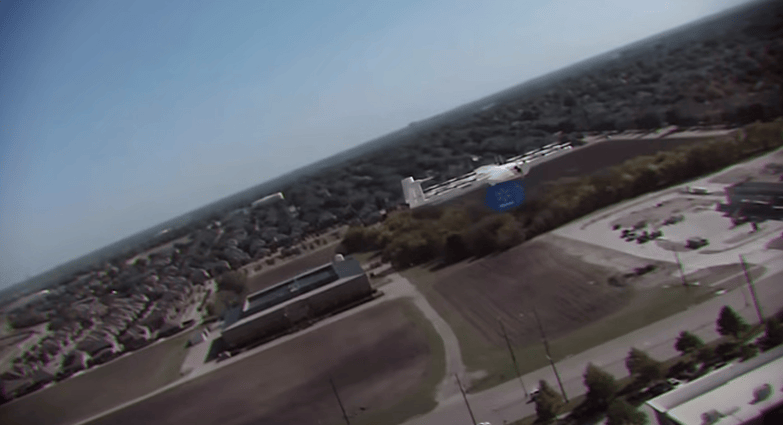
Walmart and Alphabet's Wing launched drone delivery service in West Memphis, Arkansas on Monday, November 2, with Mayor McClendon joining company representatives and city officials for a ribbon-cutting. The companies describe it as the Mid-South's first drone delivery service, according to Yahoo News. Wing's drones fly up to 60 mph and lower packages to customers' driveways or backyards via a tether, with deliveries arriving in as little as 30 minutes. Standard delivery fees apply, though Walmart+ members get free drone delivery on eligible orders for a limited time. Walmart has said it aims to make the service available to 40 million customers by 2027.
Why another city launch is worth tracking
A single market opening rarely makes news on its own, but West Memphis is the latest data point in a rollout that has moved faster than most retail technology bets of the past decade. Walmart first partnered with Wing in 2026 expansions across several Southern states, and the West Memphis launch extends that footprint into a new metro cluster rather than adding density to an existing one. Each new city also forces the companies to clear a fresh set of local airspace, noise and zoning hurdles, which is where these rollouts most often stall.
That friction is not hypothetical. Amazon withdrew its own drone delivery application for Westborough, Massachusetts just days before the West Memphis launch, after residents passed a local bylaw by a 510-13 vote regulating drone noise and privacy. The contrast matters: Walmart and Wing secured a public ribbon-cutting with elected officials in West Memphis the same week Amazon was forced to retreat from a Northeastern suburb. Geography and local politics, not just technology readiness, are shaping where drone delivery actually lands next.
How the field splits between Walmart, Amazon and Wing
Wing operates as the shared drone infrastructure behind multiple retail partners, giving it delivery data across geographies that a single retailer's in-house program would take longer to accumulate. Walmart has leaned on that partnership to expand quickly into secondary and tertiary metro markets, including Arkansas, rather than concentrating solely on major metro areas the way Amazon's Prime Air has often done with Texas and Florida launches.
Amazon, by contrast, operates its own drone program end to end and has been expanding into markets including Nampa, Idaho and preparing a Tallahassee, Florida launch targeted for mid-November, but it is also absorbing the reputational cost of local pushback that forced the Westborough withdrawal. The trade-off for Walmart's partnership model is less direct control over the drone technology itself, since Wing also serves other retail clients, but it appears to be buying faster, lower-friction market entry. For a company targeting 40 million customers by 2027, that speed advantage, more than any single city's launch, is the number worth watching.