
Alphabet-owned Waymo turned the meter on for driverless rides in San Diego, Tampa and Denver on September 1, 2026, its first commercial operation in Colorado and the largest single-day expansion of its robotaxi service to date. Amazon-owned Zoox chose the same day to say it would begin supervised on-road testing in Houston and San Diego, bringing its footprint to 12 US cities. Both moves land two days before Tesla's Cybercab reveal in Austin.
Waymo Widens Its Commercial Footprint To 14 Cities
Waymo now runs more than 4,000 vehicles in 14 US markets and delivers more than 500,000 rides a week, according to CNBC. Riders in the three new cities book directly through the Waymo app and will initially see “dozens” of cars before the fleet grows into the hundreds. The service is powered by Waymo's sixth-generation autonomous driving stack, deployed largely on the new Ojai vehicles built on Zeekr's minivan-style platform with sliding doors, three interior screens and Gemini integrated into the entertainment system.
The company has said it wants to cross one million rides a week by year-end, a milestone that would put Waymo squarely in the mainstream transportation category rather than the pilot bucket where the rest of the field still sits.
Zoox Stretches Testing, Keeps Commercial Service In Las Vegas
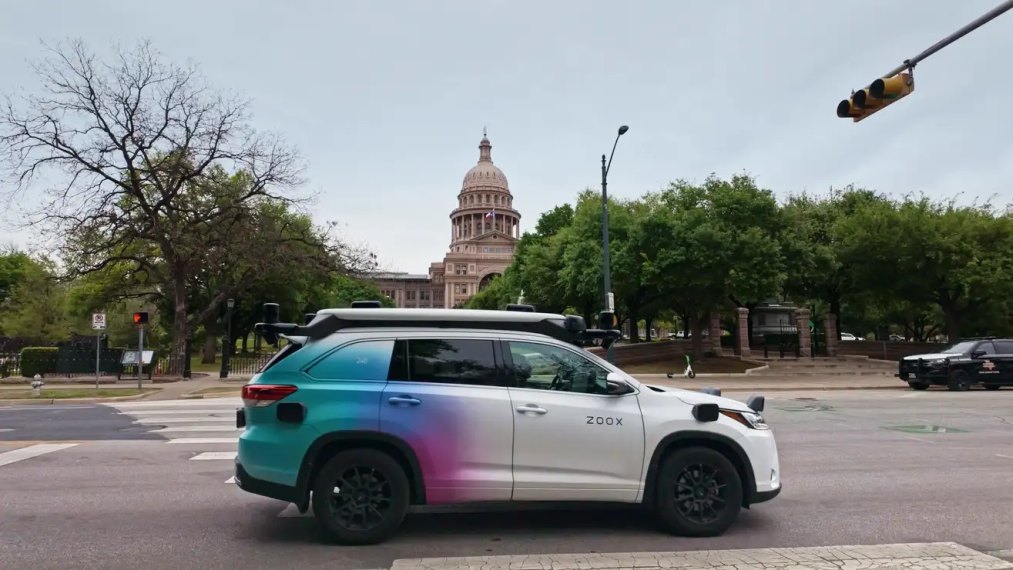
Zoox's expansion is quieter but strategically similar. The Amazon subsidiary said it will start supervised testing of its purpose-built vehicles in Houston and San Diego this month, initially using retrofitted mapping cars with human safety drivers. Las Vegas remains its only paid ride-hailing city, with a free rider program running in San Francisco. That gap between mapping runs and paid rides is why the leader board still reads Waymo, then everyone else.
Tesla Cybercab Reveal Reframes The Race On Thursday
Tesla is scheduled to reveal fresh details on its Cybercab and Robotaxi service in Austin on September 3. Waymo used the days beforehand to press its case that Level 4 autonomy needs redundant cameras, lidar and radar, a message it first pushed publicly last week. That disagreement could become regulatory as states like New Jersey draft rules that would favour multi-sensor stacks over camera-only architectures.
Nevada regulators, meanwhile, already cleared up to 8,000 paid robotaxis for Tesla, Waymo and Uber in Clark County. Waymo's Uber partnership continues to run in select markets and gives it a distribution channel beyond its own app. Goldman Sachs forecasts the US robotaxi market growing from about $3B next year to $48B by 2035, which explains why every player is racing to plant flags in cities before the incumbents lock them up.
Reporting based on coverage from CNBC, TechStartups and Tech Startups.