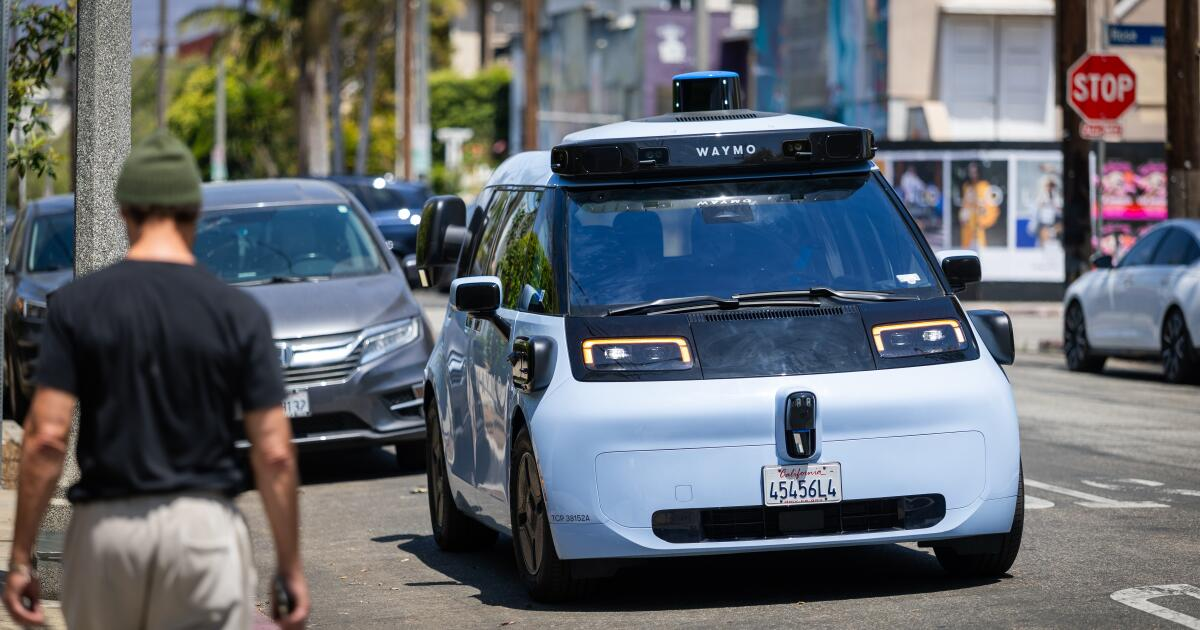

Waymo has begun letting select public riders book trips in its sixth-generation Ojai robotaxi, the first purpose-built Waymo One vehicle and the result of its partnership with China's Zeekr. The expanded pilot, announced on May 28, 2026, is running first in San Francisco, Los Angeles and Phoenix, with San Diego, Las Vegas and Denver lined up for later this summer. Free initial rides are designed to gather rider feedback ahead of a paid rollout.
What is new in the Ojai vehicle
The Ojai is the first ride-hail vehicle Waymo has designed end-to-end with a partner. Built on a Zeekr platform manufactured in China, it ships with Waymo's sixth-generation Driver sensor and compute stack — cheaper lidar, more cameras and a fully redesigned thermal package — that Waymo says is materially cheaper per mile to operate than the modified Jaguar I-PACE fleet that has anchored its service since 2020. The cabin is built for passengers rather than drivers: a flat floor, three large interior displays for climate and music, and significantly more rear leg room.
How it changes the unit economics
Waymo executives, speaking to CNBC, said Ojai's purpose-built design "materially lowers" the cost of fleet expansion compared to retrofitting OEM vehicles. The company has been under pressure from Tesla's freshly self-certified Cybercab and from a Senate probe into remote-assistance practices, both of which sharpened investor focus on per-mile robotaxi economics.
Rollout cadence
Phoenix is the headline market — Waymo's largest by trip volume — with a select group of riders able to choose the new vehicle through the Waymo app. San Francisco and Los Angeles will follow in the coming weeks; the company will then open San Diego, Las Vegas and Denver this summer. Waymo has not disclosed how many Ojai vehicles will enter service in 2026, but earlier guidance after its $16 billion February raise pointed to several thousand units by year-end.
Zeekr's role
For Geely-owned Zeekr, the Waymo deal validates the Zeekr RT platform it began designing specifically for autonomous fleets in 2024. The Chinese carmaker now supplies both the chassis and the manufacturing capacity, with vehicles imported into the U.S. for Driver integration. Trade-policy specialists note the cross-border arrangement could attract scrutiny given the U.S. Department of Commerce's recent rules on connected vehicles from China.
What to watch
The next milestones are clear: paid public rides, weekly trip volumes, and the rate at which Ojai begins replacing the I-PACE fleet. If the new vehicle delivers the cost reduction Waymo claims, it could decisively shift the operating-margin gap that has separated robotaxi pilots from sustainable services.
Reporting based on coverage from TechCrunch, Bloomberg, Axios Phoenix and Electrek.