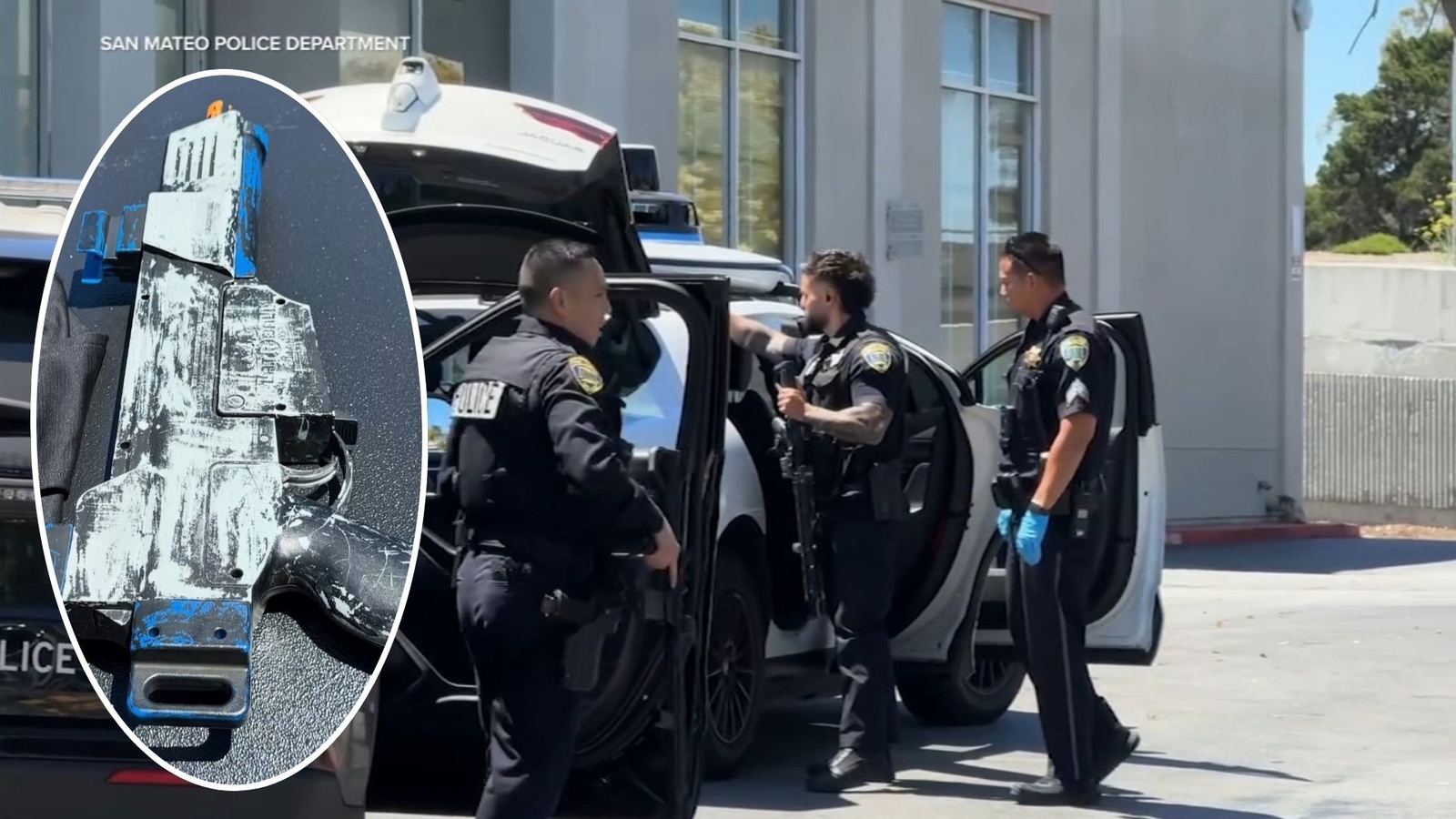
A Waymo robotaxi handed two 15-year-old joyriders to San Mateo police on Monday afternoon after cameras inside the driverless vehicle caught them drinking and firing gel-pellet toy guns from the moving car. It is one of the first publicly documented cases of an autonomous ride-hailing operator intervening in real time to disable a moving vehicle and hand its passengers to authorities.
How Waymo Spotted the Joyride
According to the San Mateo Police Department, a Waymo representative called dispatch at around 2:10 p.m. local time on July 6 to report that two people inside one of the company's autonomous vehicles were "drinking and shooting from the vehicle." A remote operator watched the ride in real time using the Jaguar I-PACE's in-cabin cameras and relayed live updates as the situation unfolded.
Waymo then remotely disabled the car and used what officers described as a "ruse," telling the passengers the vehicle was having mechanical trouble in order to keep them inside while police staged a response.
High-Risk Stop at 20th and El Camino Real
The Waymo pulled over at 20th Avenue and El Camino Real in San Mateo. Officers treated the encounter as a high-risk traffic stop, deploying stun guns and a police dog. Inside they recovered alcohol and a repainted toy gun that had been used to fire Orbeez gel-pellet rounds - the same low-velocity blasters implicated in a wave of viral pranks last year. Both teenagers cooperated with officers and no one was hurt by the pellets.
The San Mateo County District Attorney's Office is now weighing charges, including underage drinking, and expects to review the in-cabin video Waymo captured during the trip.
A Preview of Autonomous Ride-Hailing Governance
Waymo has said little publicly about how often it monitors live in-cabin video or when it intervenes. The San Mateo incident lands as regulators lean harder on driverless operators: last week NHTSA told the industry to fix first-responder interference on its own, and Waymo's fleet drew scrutiny after expanding driverless rides to San Diego, Las Vegas, Tampa and Denver. It also comes as Tesla begins unsupervised robotaxi rides in Miami, adding a second major U.S. player - and a second in-cabin camera policy - to the market.
Passenger Behavior Is Now Part of the Product
The takeaway for the industry is that once you strip the driver out of the front seat, the operator becomes a de-facto chaperone. Waymo's willingness to call police and immobilize a car mid-ride shows that in-cabin monitoring, remote intervention and passenger accountability are becoming as central to robotaxi operations as sensor stacks and mapping. Expect competitors to publish their own conduct policies as scrutiny grows.
Reporting based on coverage from ABC7 San Francisco, NBC Bay Area, KTLA and the Washington Post.