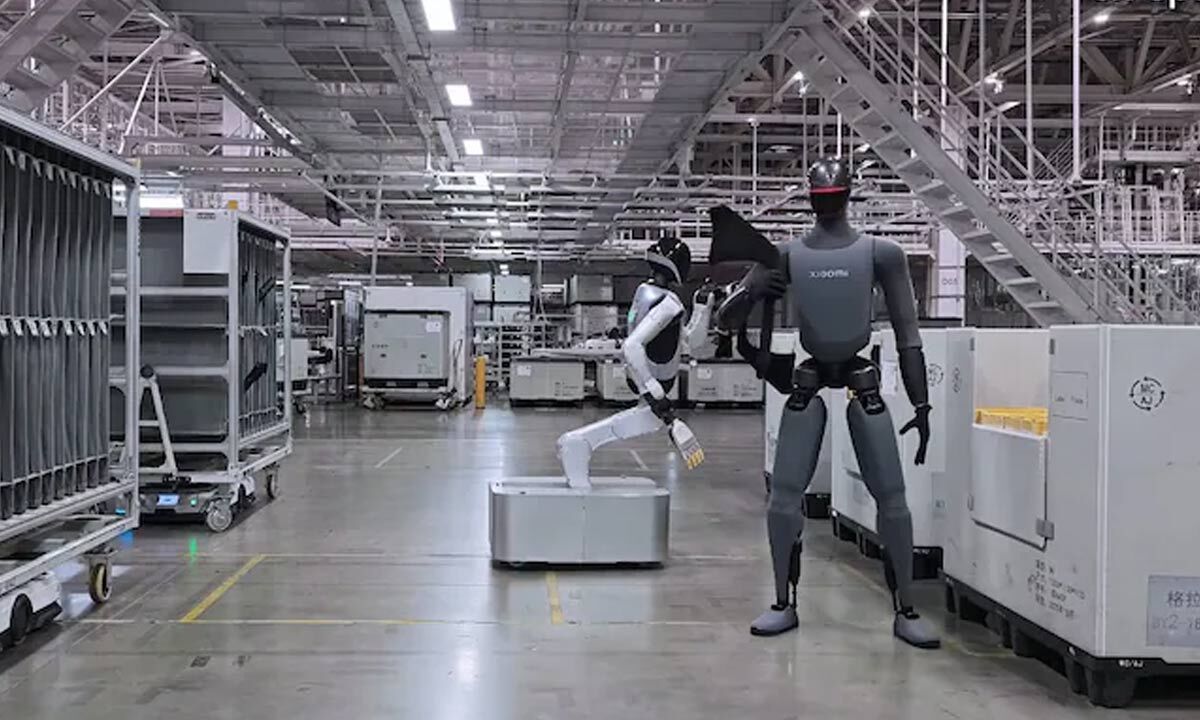
Xiaomi CEO Lei Jun has posted uncut video of the company's humanoid robot sorting centre console side covers on a live automotive production line, offering the clearest signal yet that Xiaomi's humanoid programme is graduating from R&D to serious factory duty. He posted the clip on X on July 15, 2026, with a note that "one of the toughest challenges for robots in factories is handling large, irregular, flexible parts reliably over long periods."
From Stage Demo To Assembly Line
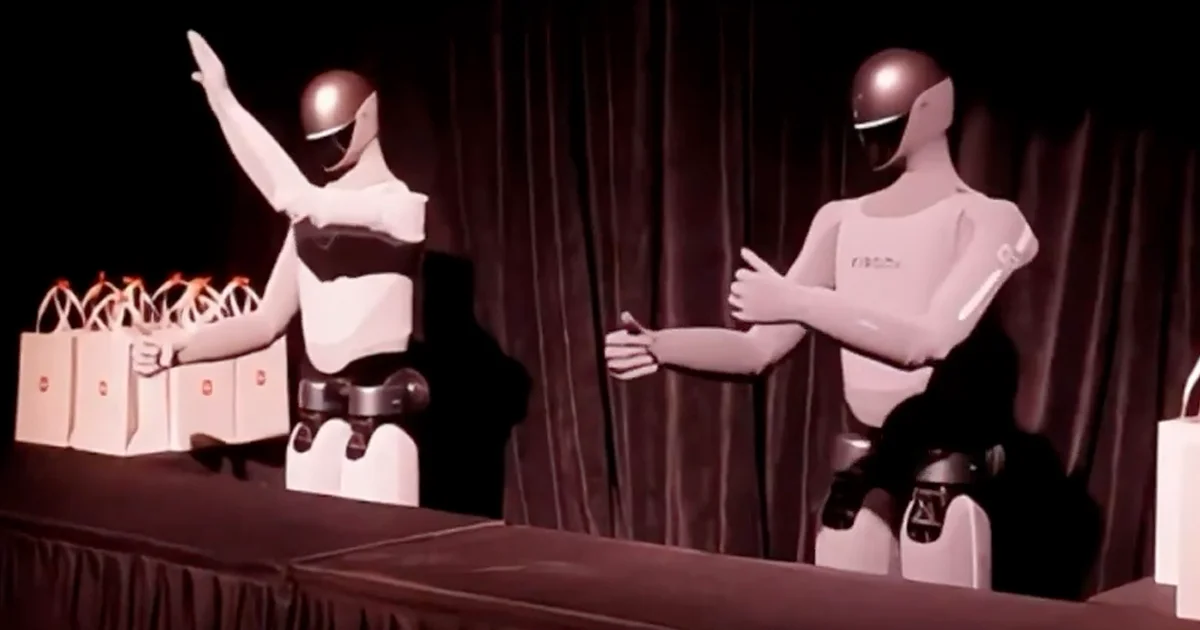
Xiaomi unveiled its first humanoid, CyberOne, at a Beijing product event in 2022 — the same night Lei Jun famously accepted a flower from the robot on stage. Since then the platform has moved from a research showpiece to a factory tool. Earlier this year, Xiaomi disclosed that its self-developed humanoids had completed three continuous hours of unsupervised work inside its EV plant, tightening screw nuts, installing badges, removing protective films, and transporting material boxes.
The Five-Year Rollout
Lei has said Xiaomi plans to deploy "a large number" of self-developed humanoid robots across its factories over the next five years, without giving specific unit counts. In the latest video, one Xiaomi humanoid picks and bins the automotive parts while a second wheeled robot with a humanoid upper body works in the background — hinting that Xiaomi is quietly hedging with more than one form factor.
China Puts Feet On The Ground
The move slots into a broader Chinese push. LimX Dynamics just closed a $200 million pre-IPO round to ship humanoids to the Middle East, STMicroelectronics took an equity stake in Italy's Oversonic, and Walden Robotics exited stealth with $300M for a Toyota plant deployment. Xiaomi's differentiator is that its factory is also its customer — a vertical-integration story that Tesla is trying to replicate with Optimus.
Commercial Launch Still Unclear
For all the on-line footage, Xiaomi has not announced a commercial price, spec sheet, or a customer outside its own plants. That mirrors the wider industry: production-scale humanoids remain a captive tool for their maker's own factories before any go-to-market. Whether Xiaomi tries to sell CyberOne to third parties — or keeps it as an internal cost lever like it did with early smart-home appliances — will decide whether this is a robotics business or an internal automation programme.
Reporting based on coverage from The Hans India, TweakTown, Humanoids Daily, and Lei Jun's own posts on X.