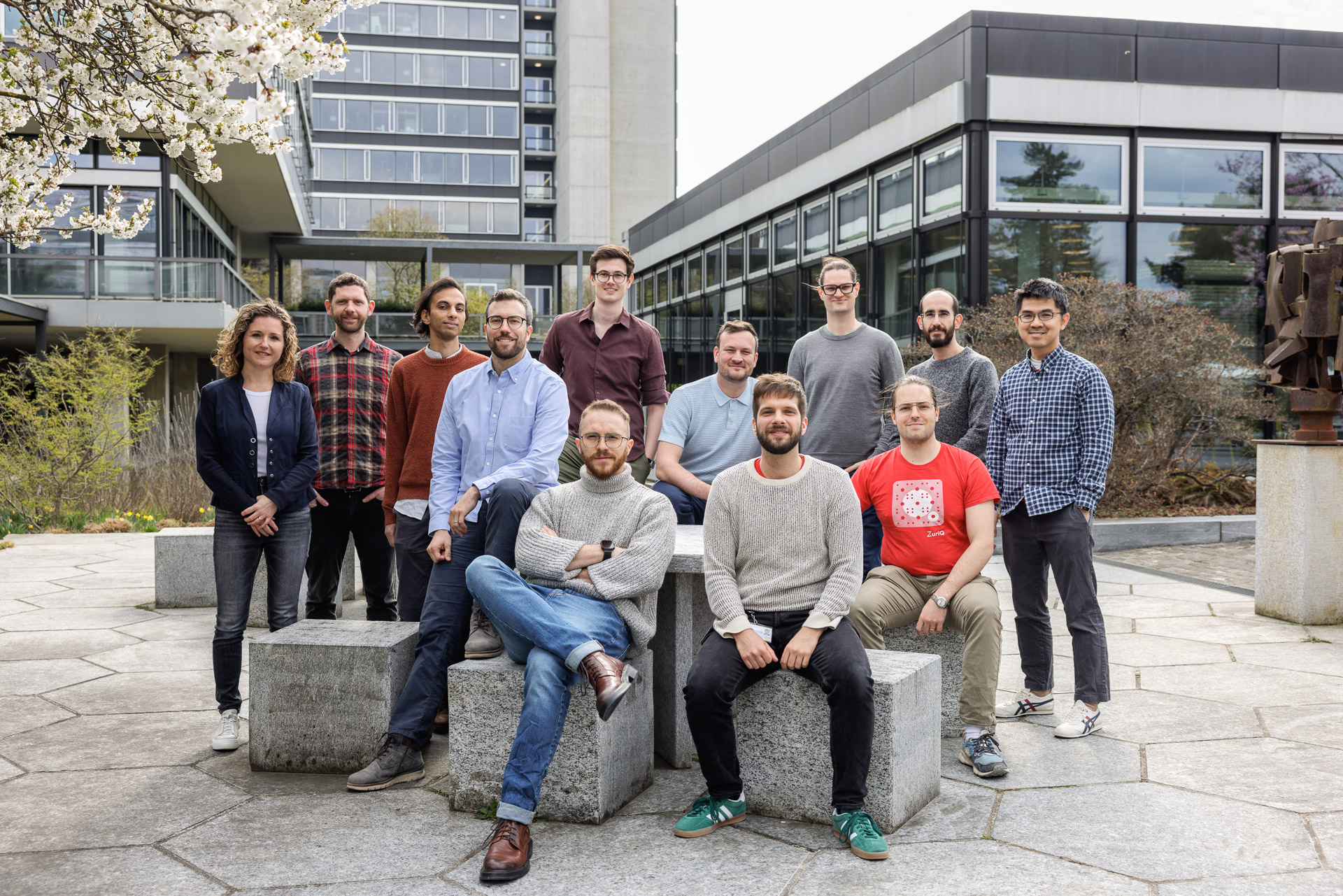
Swiss quantum computing startup ZuriQ has raised $25.5 million in seed funding to scale its natively two-dimensional trapped-ion processor architecture, the company said on July 28, 2026. The round was led by Quantonation with participation from Forward.one, Extantia, Firgun Ventures and every previous investor from the company's $4.2M pre-seed.
Two-dimensional ion arrays, not 1D chains
Spun out of ETH Zurich in 2024, ZuriQ is trying to break the scaling limit of legacy trapped-ion designs. Where traditional systems rely on radio-frequency Paul traps that force ions into one-dimensional chains stitched with complex junctions, ZuriQ uses Penning micro-traps and static magnetic fields to hold ions in flat 2D lattices where they can move freely in any direction.
"Hold ions in a line and the count grows one at a time; hold them in two dimensions, and it grows with the area of the chip — on a standard chip, that is the difference between tens of ions and many thousands," said Professor Jonathan Home of ETH Zurich, a ZuriQ scientific adviser. Co-founder and CEO Dr. Pavel Hrmo said the two-dimensional design is "inherently easier to scale" than 1D architectures that legacy trapped-ion players have to pivot away from.
Infineon-fabricated chips already running
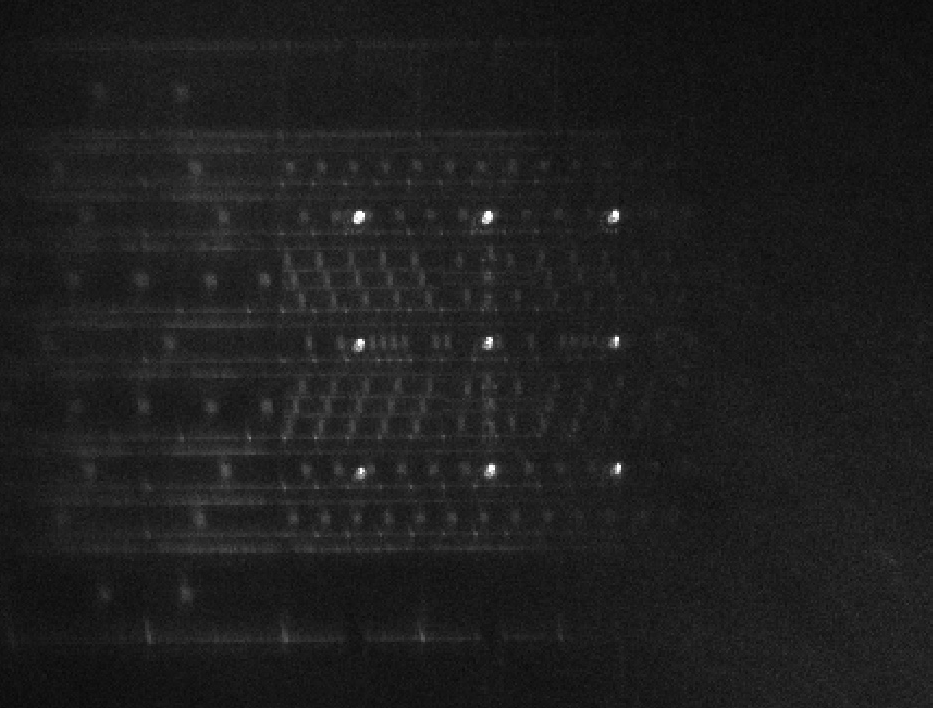
ZuriQ has already demonstrated a 3x3 array of nine individually controlled ions — the largest 2D array of its kind — using chips fabricated by Infineon Technologies. In eighteen months the team grew from four people to eighteen, hiring engineers from IonQ, Xanadu and Hamamatsu. New capital will go to hiring, R&D and chip fabrication with a stated target of putting hundreds of qubits on a single chip.
Enterprise money keeps chasing quantum
The seed lands as enterprise interest in quantum hardware widens beyond the biggest names. EY announced an on-site quantum machine a day later as part of a $3B+ frontier-tech bet, while trapped-ion-adjacent deals like IonQ's Archer partnership and the IonQ-Horizon Dublin testbed continue to multiply.
Reporting based on coverage from GlobeNewswire, The Quantum Insider and SiliconANGLE.