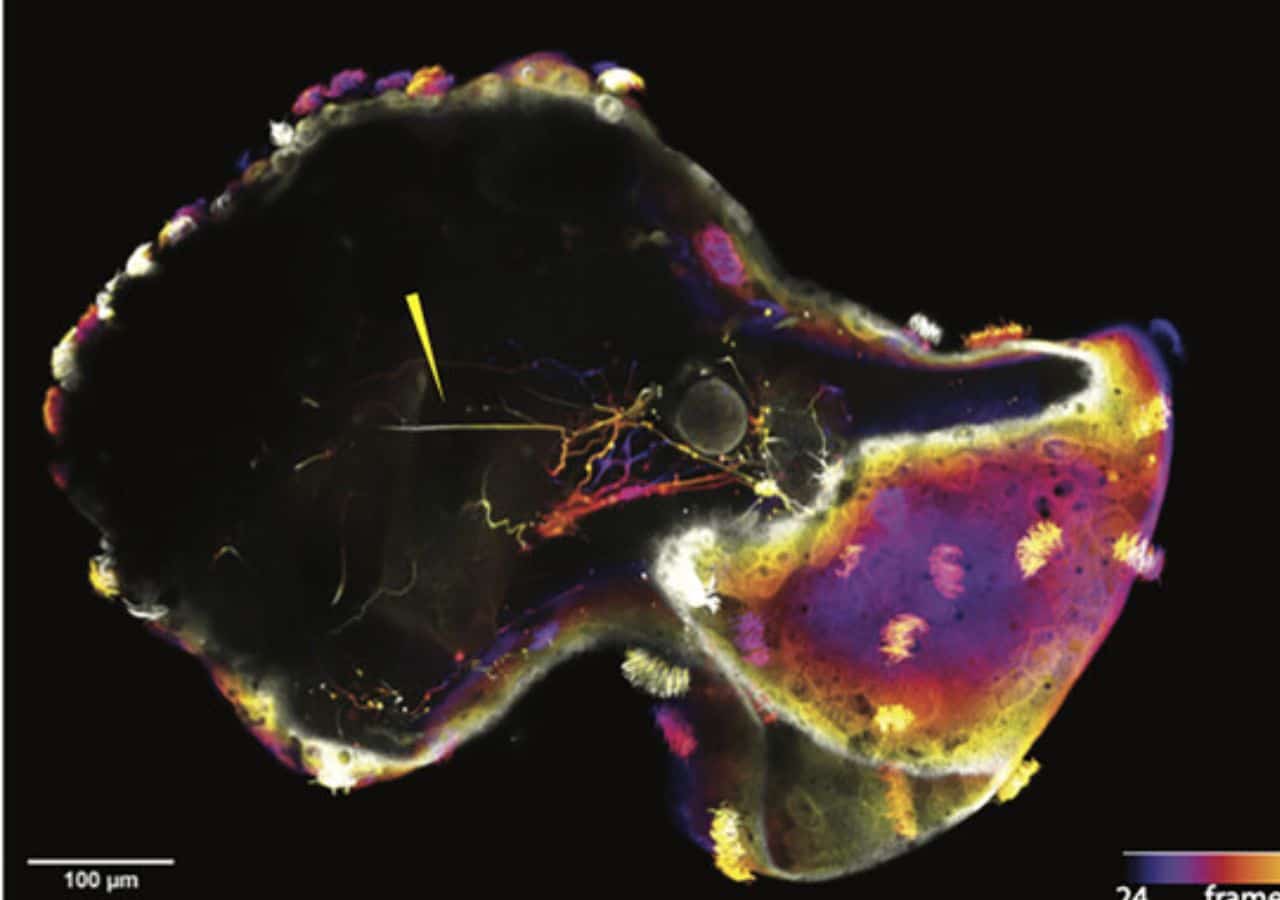
Harvard University scientists have successfully created living robots equipped with nervous systems built from frog cells, marking a breakthrough in biological robotics. The xenobots utilize cellular components from Xenopus laevis frogs to form integrated neural networks that control movement and behavior.
Neural Integration Technology
The research team engineered these biological machines by combining frog skin and heart cells with neural tissue to create self-organizing robotic systems. The nervous system components enable the robots to process environmental information and coordinate complex locomotion patterns that surpass previous xenobot generations.
Unlike earlier versions that relied solely on cellular programming, these neural-enhanced robots demonstrate learning capabilities and adaptive responses to external stimuli. The integration allows for real-time behavioral modifications without external computational control.
Applications and Future Development
The living robots measure approximately 1 millimeter in diameter and can survive for weeks while performing programmed tasks. Potential applications include targeted drug delivery, environmental cleanup operations, and microscopic surgical procedures where traditional robots cannot operate effectively.
The Harvard team plans to expand the neural complexity in future iterations, potentially incorporating memory formation and more sophisticated decision-making processes. This biological approach could revolutionize soft robotics by eliminating the need for traditional electronic components in certain applications.