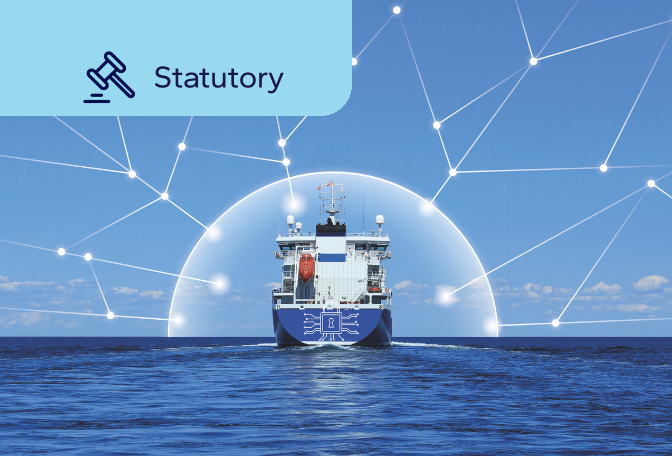
The first global rulebook for crewless ships is now live. The International Maritime Organization's International Code of Safety for Maritime Autonomous Surface Ships (MASS Code) took effect on July 1, 2026, opening a voluntary implementation phase that gives AI-enabled and remotely operated cargo vessels their first internationally agreed safety framework.
What the MASS Code Covers
Adopted at the 111th session of the IMO's Maritime Safety Committee, held May 13-22 in London, the MASS Code sets out a goal-based framework to ensure that remotely controlled or autonomous ships achieve the same level of safety, security and environmental protection expected of conventionally crewed vessels. It applies to internationally trading cargo ships and addresses everything from remote operations centers to the allocation of responsibility when software, rather than a captain, has the conn.
Voluntary Now, Mandatory by 2032
The Code will operate on a voluntary basis for at least two years, letting flag states and operators test it in service while feedback is folded into a binding version. The IMO roadmap calls for work on a mandatory MASS Code to begin in 2028, with adoption expected by July 1, 2030 and entry into force on January 1, 2032 under the SOLAS Convention.

Why It Matters for the Autonomous Fleet
A global framework arrives just as autonomous vessels move from demos to deliveries. In the United States, Blue Water Autonomy has its 190-foot Liberty-class autonomous ship under construction at Conrad Shipyard for the U.S. Navy, while Norway's Maritime Robotics and a wave of defence startups like Six Robotics push unmanned platforms into contested waters. The U.S. Navy has signalled plans to field thousands of unmanned surface vessels in the Indo-Pacific by 2030, and commercial operators from container lines to survey fleets are watching the voluntary phase closely.
Classification societies expect the Code to accelerate investment by de-risking regulatory uncertainty — the same dynamic playing out in adjacent autonomy markets, from counter-drone sensing to Arctic defence autonomy.
Reporting based on coverage from the International Maritime Organization, DNV and Marine Link.