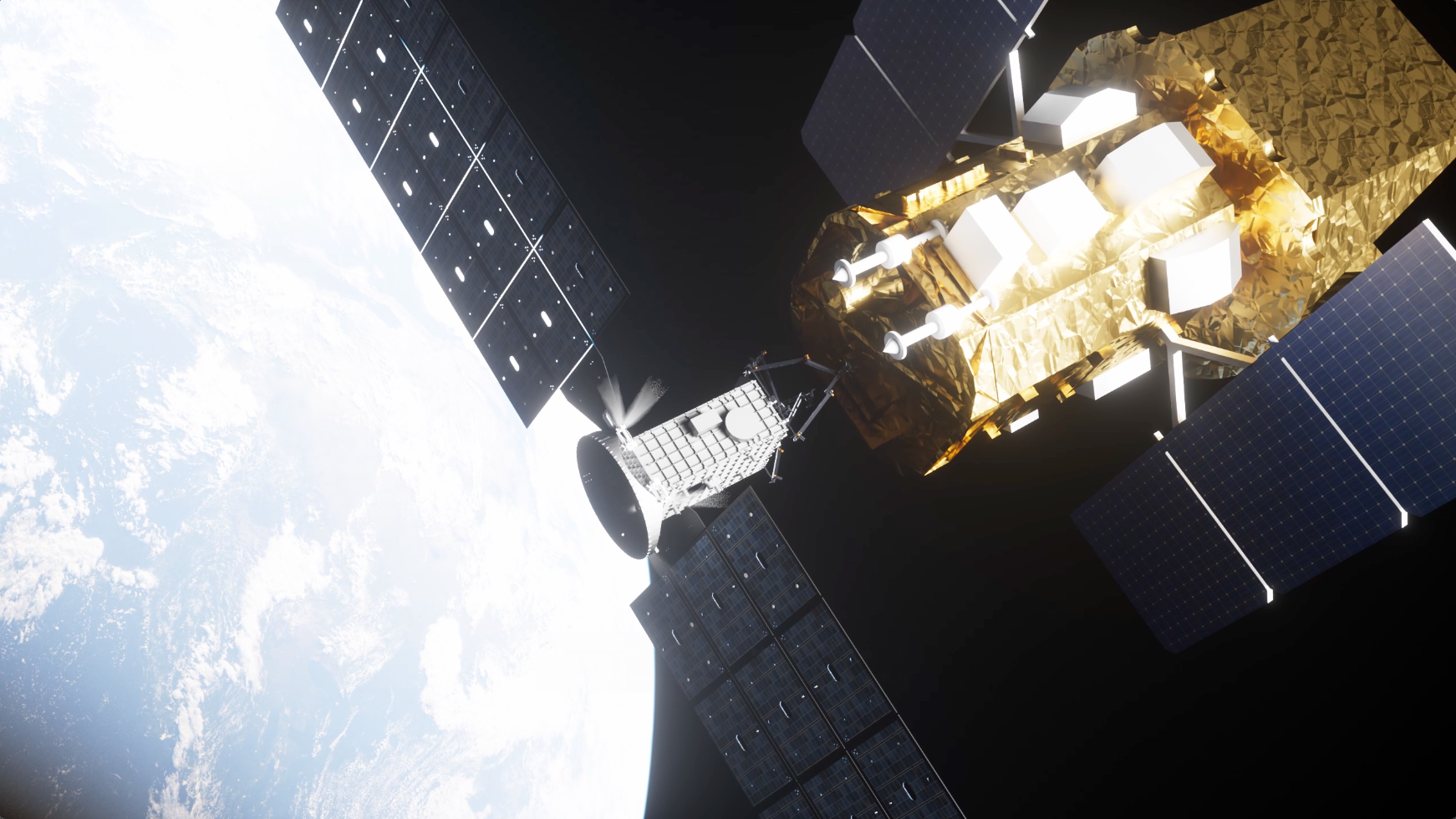
A commercial robot is chasing down a falling NASA telescope. In the early hours of Friday, July 3, 2026, a robotic servicing spacecraft named LINK — built by Arizona startup Katalyst Space Technologies — reached orbit on a mission to grab NASA's Neil Gehrels Swift Observatory and haul it to a safer altitude before the aging satellite tumbles back to Earth.
A Race Against Atmospheric Drag
Swift, which has hunted gamma-ray bursts since 2004, was never designed to be refueled or serviced. But heightened solar activity around the recent solar maximum puffed up Earth's upper atmosphere, increasing drag and accelerating the observatory's orbital decay faster than expected, with uncontrolled reentry anticipated by the end of 2026. Under a roughly $30 million NASA contract awarded in September, Katalyst had less than a year to design, build, test and launch LINK — and then to meet, grab and lift a spacecraft that offers no docking port.
Launched From the Marshall Islands
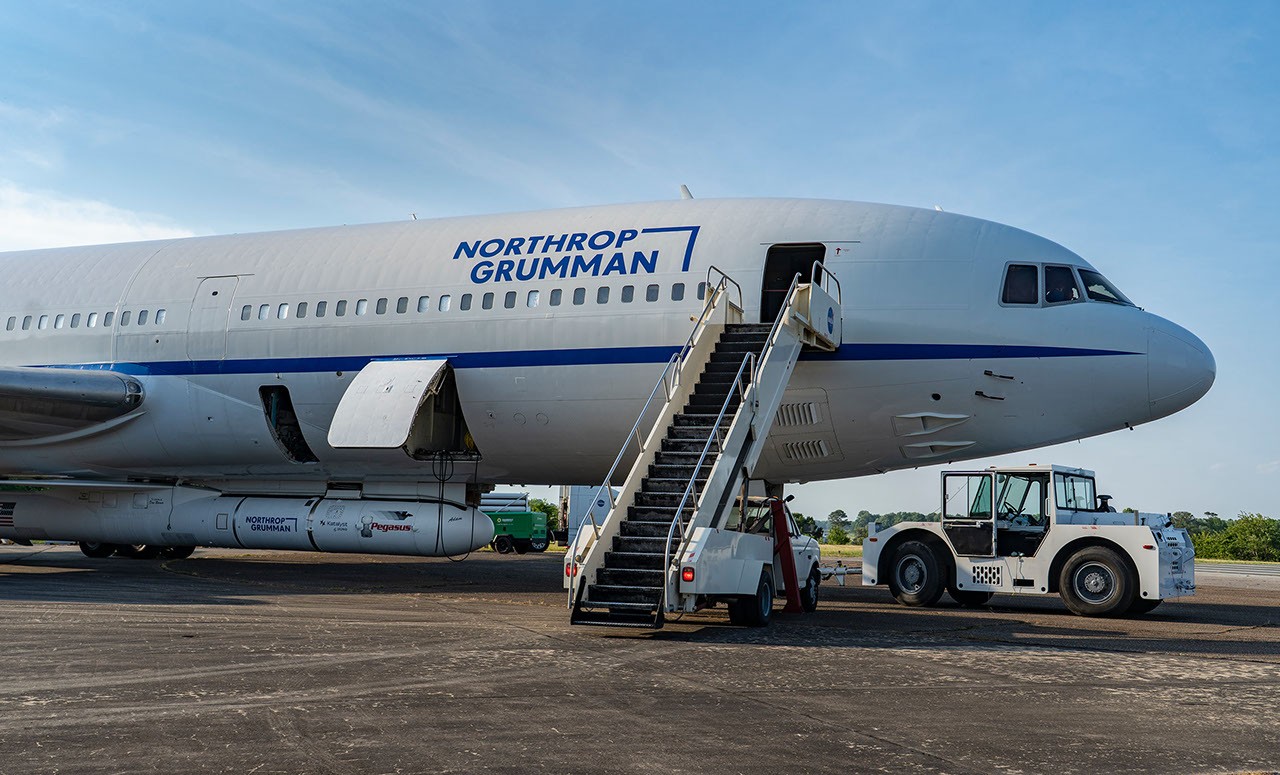
LINK lifted off at 4:36 a.m. EDT aboard a Northrop Grumman Pegasus XL rocket, air-launched from the company's modified L-1011 aircraft, Stargazer, at about 40,000 feet over Kwajalein Atoll in the South Pacific. With the spacecraft now in low Earth orbit, Katalyst's first task is to acquire a signal confirming that LINK's solar panels have deployed and its power systems are healthy. The vehicle carries multiple robotic arms fitted with grippers, thruster clusters and sensor suites to autonomously rendezvous with Swift and clamp on.
A First for Commercial Servicing
If successful, LINK would become the first commercial spacecraft to dock with a government satellite that was never built for on-orbit servicing, then fire its thrusters to slowly boost Swift back toward its original orbit over the following weeks. The attempt builds on Katalyst's earlier milestones, including regulatory clearance covered when LINK was approved to fly on the Pegasus XL, and the company's momentum in the sector after it raised $12 million to send a servicing robot to geostationary orbit. A win would mark a significant new capability for the U.S. satellite-servicing industry, echoing the on-orbit ambitions seen in missions like Starfish Space's Otter program.
Reporting based on coverage from NASA and reporting by CNN and Space.com.