NATO Approves $40B Drone Edge Counter-Drone Initiative In Ankara
NATO Allies committed more than $40 billion over five years to counter-drone defenses, drone procurement and operator training under the new Drone Edge Initiative launched in Ankara on July 7, 2026.
Key Takeaways
NATO Secretary General Mark Rutte launched the Drone Edge Initiative in Ankara on July 7, 2026, committing over $40 billion of Allied spending across five years to counter-drone defenses, drone procurement and operator training.
The package rests on three pillars: a NATO counter-drone marketplace of NATO-tested compatible systems, expanded training under NATO Flight Training Europe to train five times as many drone operators by end of 2027, and a surveillance drone procurement contract via the NSPA.
The initiative targets the cost-exchange problem, where $500 FPV drones and cheap loitering munitions are countered by interceptors costing hundreds of thousands, by building a lower-cost defeat chain of radars, RF sensors, jammers, high-power microwaves, airburst rounds and interceptor drones.
Allies also committed to 900 additional Patriot interceptors to add kinetic depth against cruise and ballistic missiles.
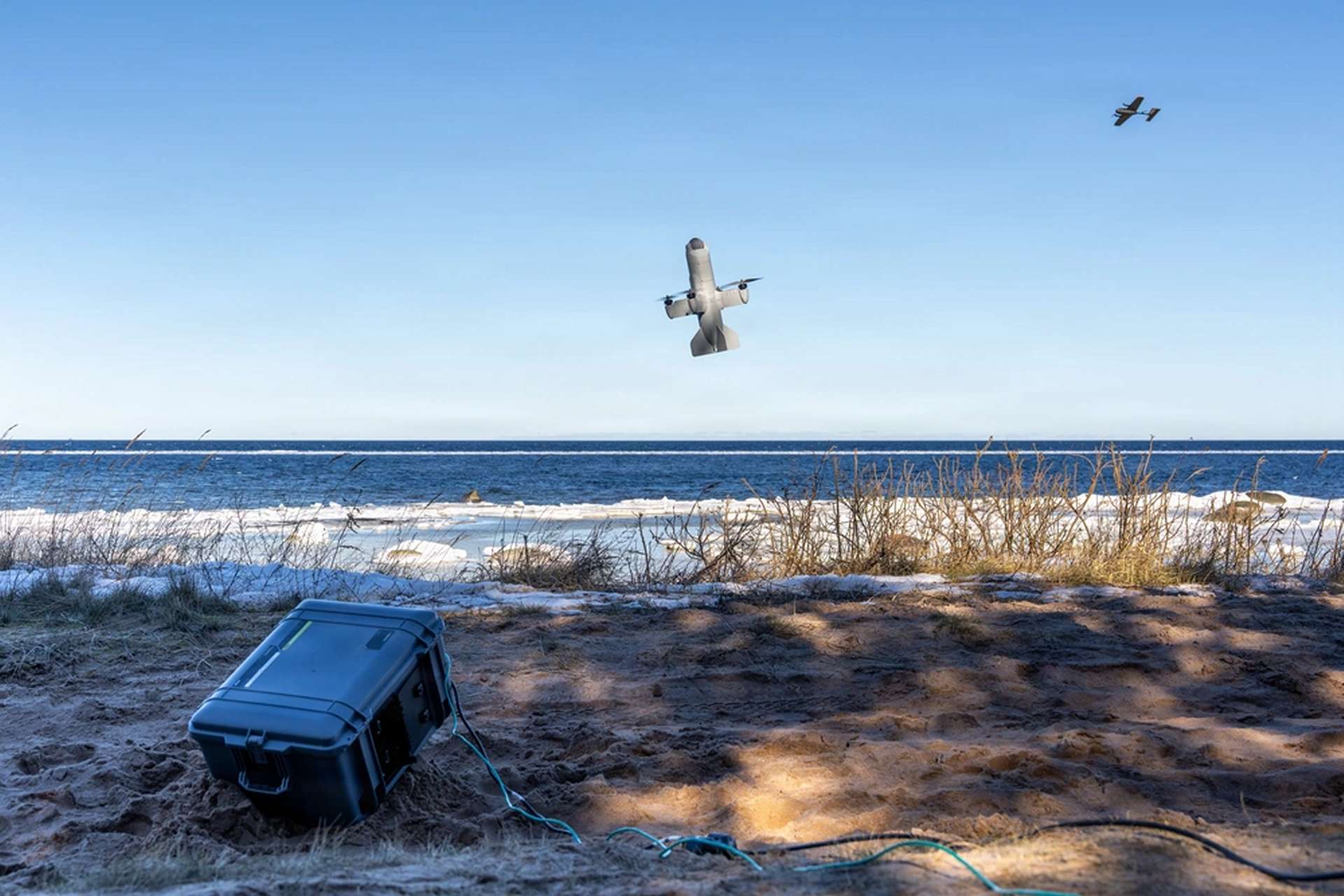
Eastern flank multinational formations in Bulgaria, Estonia, Finland, Hungary, Latvia, Lithuania, Poland, Romania and Slovakia will be first to benefit, with open-air counter-UAS testing already underway at Latvia's Sēlija Military Training Area.
Kaan Tınmaz
NATO Secretary General Mark Rutte launched the Drone Edge Initiative in Ankara on July 7, 2026, committing more than $40 billion of Allied spending over five years to counter-drone defenses, drone procurement and operator training — the largest coordinated unmanned-systems package in the alliance's history and a direct response to the way low-cost quadcopters and loitering munitions have reshaped combat in Ukraine.
What The $40 Billion Actually Buys
The package rests on three pillars: a NATO counter-drone marketplace listing NATO-tested, NATO-compatible systems for national buyers; expanded operator training under NATO Flight Training Europe, aiming to train five times as many drone operators by the end of 2027; and a major procurement contract for surveillance drones through the NATO Support and Procurement Agency (NSPA). Alongside the drone-edge announcement, Allies committed to 900 additional Patriot interceptors, adding kinetic depth against cruise and ballistic missiles.
The Cost-Exchange Problem NATO Is Trying To Fix
The strategic driver is the widening imbalance between attacker and defender. A brigade headquarters, ammunition point or radar detachment can now be observed or struck by a $500 first-person-view drone or a one-way attack munition costing a few thousand dollars, while the interceptor missile used against it may cost hundreds of thousands. NATO's package is explicitly aimed at building a lower-cost defeat chain — radars, RF sensors, EO/IR cameras, directional jammers, high-power microwaves, gun-based airburst rounds and interceptor drones — rather than buying more high-end missiles for low-end targets.
Marketplace, Standards and the Interoperability Test
Counter-drone procurement has historically been fragmented across the alliance. The new NATO marketplace will list systems that have passed common testing, ideally letting a radar from one supplier hand target data to a jammer from another and an interceptor drone from a third. Recent test campaigns at the Sēlija Military Training Area in Latvia — one of five pilot ranges under NATO's Rapid Adoption Action Plan — are already assessing counter-UAS systems in open-air trials with participation from NATO countries and Ukraine.
Eastern Flank Formations Are The First Customer
Multinational formations stationed in Bulgaria, Estonia, Finland, Hungary, Latvia, Lithuania, Poland, Romania and Slovakia will be among the first to feel the effect, since drone incidents on the eastern flank have accelerated. For related coverage of the Ankara summit and NATO defense buys, see our reports on NATO's MQ-4C Triton acquisition, Aurelius Systems' laser counter-drone UGVs and Comand AI's €32M Series A.
Reporting based on coverage from NATO, Army Recognition and Bloomberg.
It is a $40 billion-plus, five-year Allied spending package launched by NATO Secretary General Mark Rutte in Ankara on July 7, 2026, covering counter-drone defenses, drone procurement and operator training. It is the largest coordinated unmanned-systems package in the alliance's history, driven by lessons from drone warfare in Ukraine.
What does the $40 billion actually fund?
Three pillars: a NATO counter-drone marketplace listing NATO-tested, interoperable systems for national buyers; expanded operator training under NATO Flight Training Europe, aiming to train five times as many drone operators by the end of 2027; and a major surveillance drone procurement contract through the NATO Support and Procurement Agency. Allies separately committed to 900 additional Patriot interceptors.
Why is NATO investing so heavily in counter-drone systems?
Because of the cost-exchange imbalance: a $500 FPV drone or a loitering munition costing a few thousand dollars can strike high-value targets, while defensive interceptor missiles can cost hundreds of thousands. NATO wants a cheaper defeat chain using radars, RF sensors, EO/IR cameras, jammers, high-power microwaves, gun-based airburst rounds and interceptor drones.
Which countries will benefit first from the initiative?
Multinational NATO formations stationed in Bulgaria, Estonia, Finland, Hungary, Latvia, Lithuania, Poland, Romania and Slovakia, since drone incidents on the eastern flank have accelerated. Testing is already underway at the Sēlija Military Training Area in Latvia, one of five pilot ranges under NATO's Rapid Adoption Action Plan.