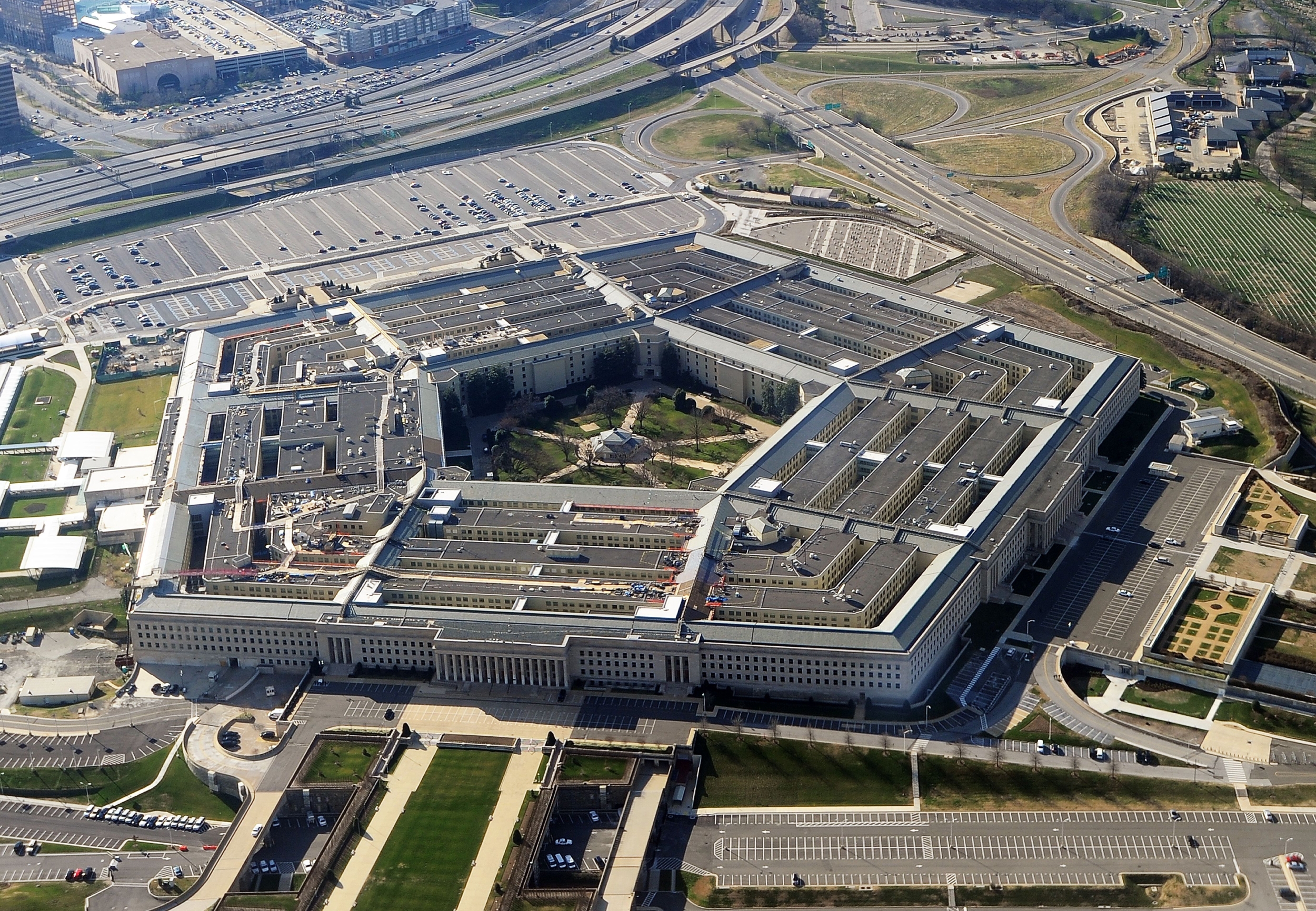
Court documents unsealed on July 2 in the US District Court for the Northern District of California expose, for the first time in the principals' own words, why the Pentagon blacklisted Anthropic in February — and what it cost the AI company to hold its ground on autonomous weapons and domestic surveillance.
Two red lines the Pentagon would not accept
CEO Dario Amodei set the terms early: Claude could not be used for fully autonomous weapons systems, and it could not be used for domestic mass surveillance. Undersecretary of Defense for Research and Engineering Emil Michael pressed for "all lawful uses" — a framing that would have effectively deleted both restrictions since US law permits certain domestic surveillance. In one exchange, Michael dismissed Anthropic's proposed guardrails as "just not workable" and insisted "there is no distinction in our world between weapons that are defensive or offensive."

"Very close" — one day after the blacklist
The most damaging piece of the record is the timing. The Pentagon's supply-chain risk designation against Anthropic was finalized on a given day. The next day — before Anthropic had been told — Michael emailed Amodei writing "I think we are very close here." Federal Judge Rita Lin quoted that exchange directly in her March 26 opinion granting Anthropic a preliminary injunction, calling it "exceedingly difficult to square" with the government's framing of Anthropic as a hostile national security threat.
A statute never before used against a US company
The 10 U.S.C. 3252 supply-chain risk authority had never been applied to a domestic US company before Anthropic. Prior invocations targeted firms tied to foreign adversaries. Lin found that the memorandum cited Anthropic's "increasingly hostile manner through the press" as justification — language she called "classic illegal First Amendment retaliation." At D.C. Circuit oral arguments on May 20, Judge Karen LeCraft Henderson described the move as "a spectacular overreach by the Department."
Competitors move in
OpenAI signed a Pentagon deal hours after Anthropic was blacklisted; CEO Sam Altman later conceded the timing "looked opportunistic and sloppy." Google followed despite 950 employees signing an open letter opposing the deal. The Pentagon subsequently moved to bring xAI's Grok onto classified systems — work previously reserved for Anthropic's Claude. Meanwhile Michael, who pressed hardest for Anthropic to remove its limits, held between $2 million and $10 million of Perplexity stock and had earlier sold xAI shares for a reported 400%–4,800% return.
Where the case stands
The N.D. Cal. preliminary injunction remains in force. The D.C. Circuit case is pending after May 20 arguments. Anthropic cannot currently serve as a prime contractor or subcontractor on covered DoD systems, though export controls on Claude Fable 5 and Mythos 5 were lifted on July 1. The unsealed emails do not resolve the litigation — but they document, for anyone weighing a similar deal, exactly where the ethical line held and what it cost to hold it.
Reporting based on coverage from Gizmodo, Wall Street Journal, CBS News and Tech Times.