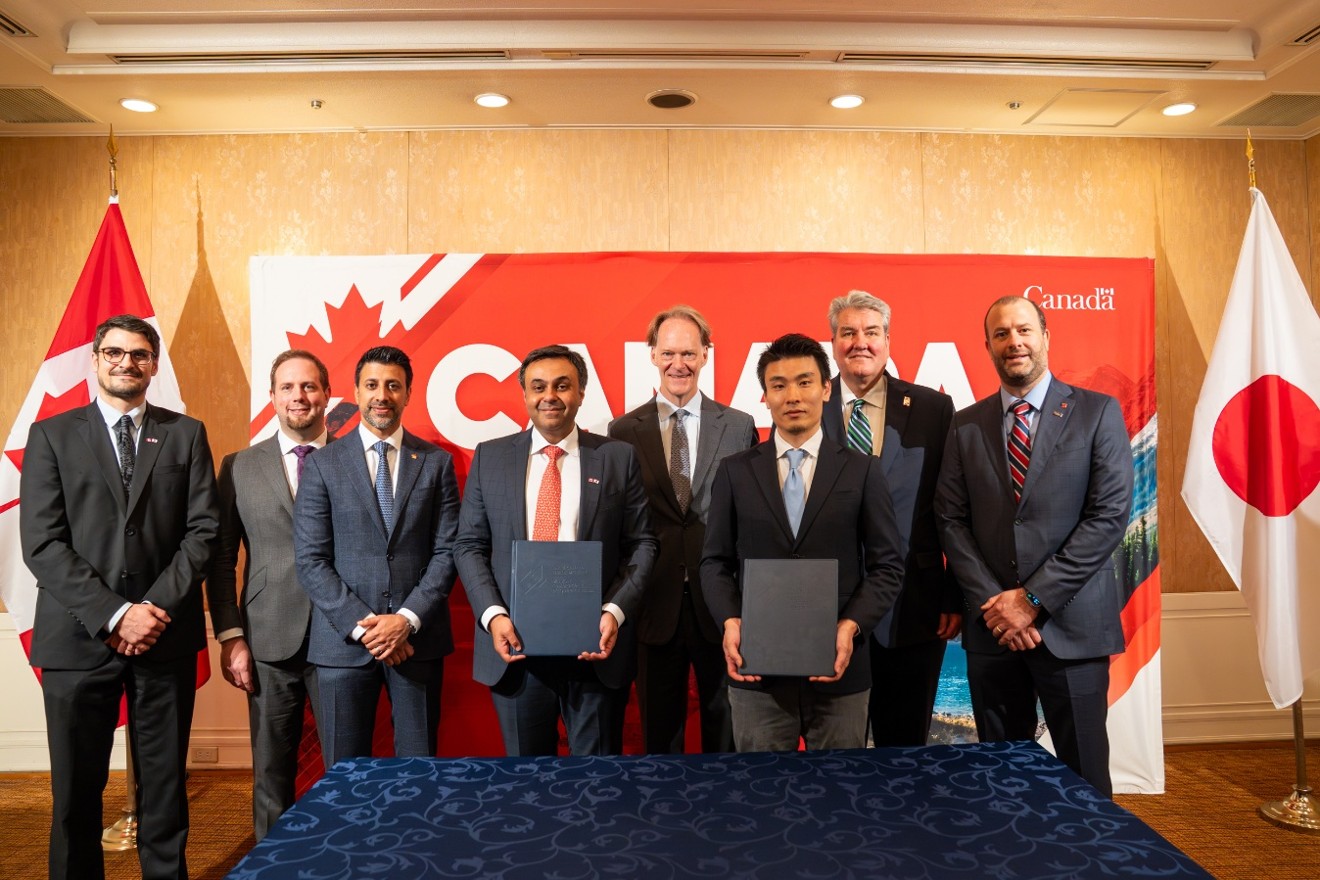
Hydrogen electrolysis is crossing over into fusion energy. Next Hydrogen Solutions (TSXV: NXH), the Mississauga, Ontario-based electrolyser manufacturer, announced a collaboration agreement with Fusion Fuel Cycles Inc. (FFC) to demonstrate purpose-built electrolysers for the fusion industry — including a system that extracts tritium, the fuel of fusion, from heavy water.
From Green Hydrogen to Fusion Fuel
The partnership, signed at the Team Canada Trade Mission to Japan and announced June 29, builds on two engineering contracts worth about $3.75 million that FFC awarded Next Hydrogen in March 2026. Under those contracts, Next Hydrogen will engineer and deliver a tritium-extraction electrolyser for integration into FFC's standardized fusion fueling platform, the balance-of-plant approach that lets fusion developers buy proven supporting systems instead of designing them from scratch.
Why This Electrolyser
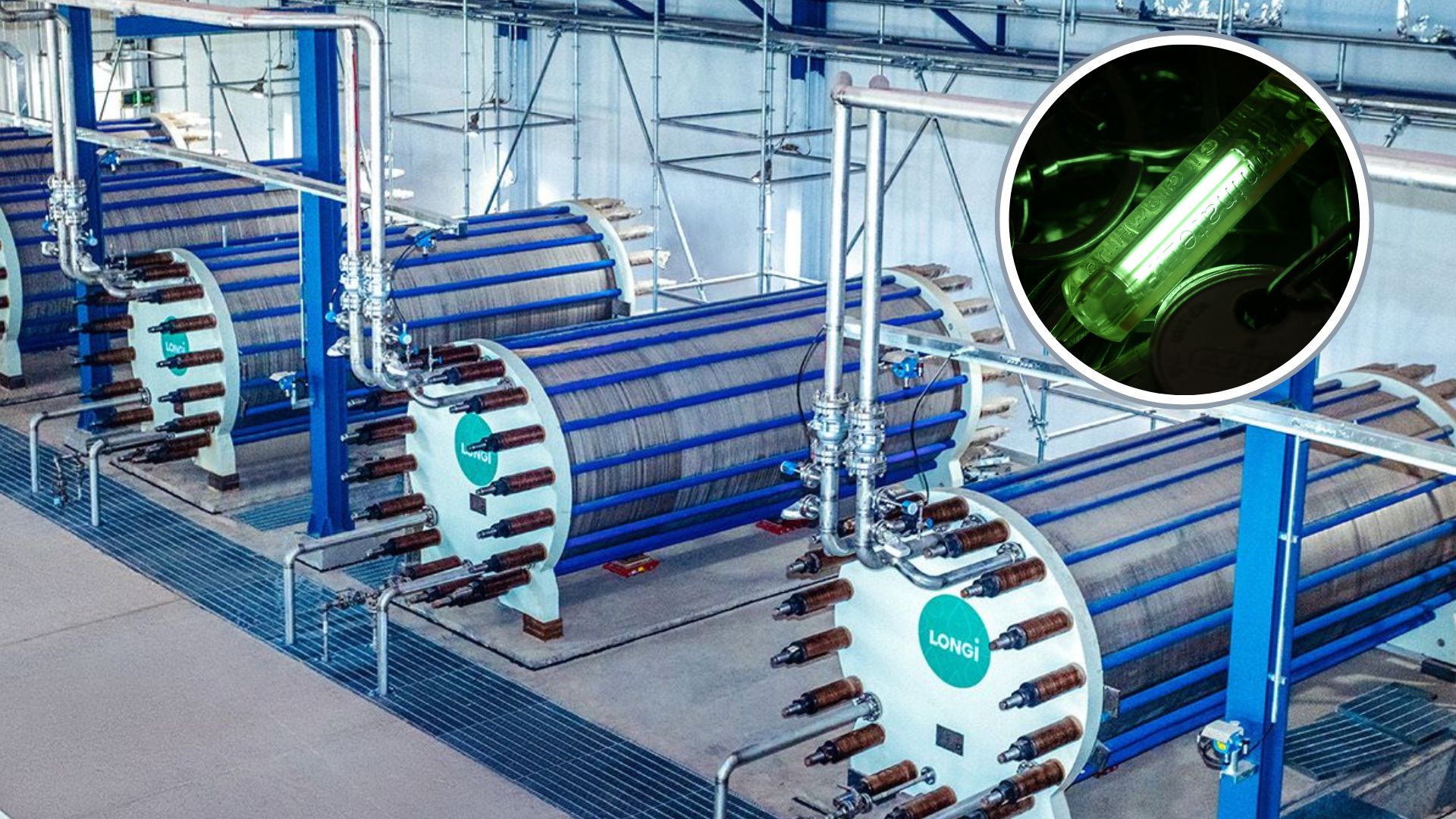
Unlike conventional alkaline machines, Next Hydrogen's cell architecture performs gas-liquid separation inside each half-cell, eliminating large external separator vessels, cutting potential leak points and reducing contamination risk — critical properties when the gas being handled is radioactive tritium. The design runs at current densities up to four times higher than traditional alkaline electrolysers, shrinking equipment footprint by roughly two-thirds, with stacks rated for about 80,000 hours and ramp rates of 10% per second.
"Next Hydrogen has a unique electrolyzer design that is very well suited to the demands of fusion power," said Yuhei Nozoe, co-CEO of FFC. Next Hydrogen CEO Raveel Afzaal pointed to FFC's pedigree as a joint venture between Kyoto Fusioneering and Canadian Nuclear Laboratories, whose UNITY-2 facility at Chalk River is the world's first fully integrated tritium fuel cycle test loop.
Fusion's Supply Chain Is Forming
The deal is an early marker of a fusion supply chain taking shape before the first commercial reactor exists, echoing momentum elsewhere in the sector such as General Fusion's 8.4-million-degree plasma milestone. For the hydrogen industry, it also opens a second market for electrolyser technology beyond green fuel — as energy infrastructure globally scales up, from GE Vernova's turbine push in India to grid-independent nuclear. The collaboration remains subject to definitive agreements.
Reporting based on coverage from GlobeNewswire (Next Hydrogen press release) and Interesting Engineering.