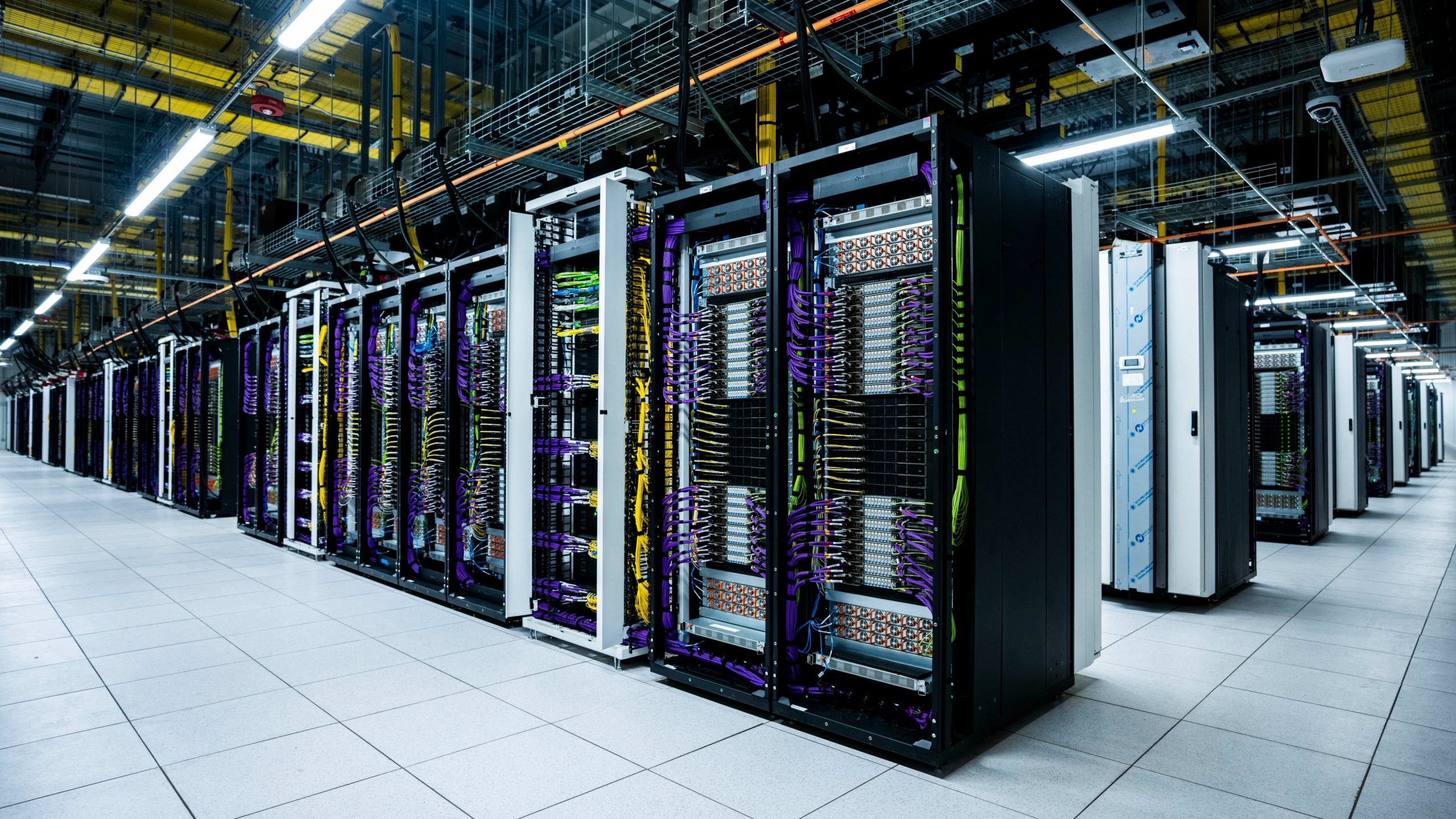
SpaceX has given a name to its most audacious project yet: Starmind, a planned constellation of up to one million AI-enabled satellites designed to move artificial-intelligence computing off the ground and into orbit. Elon Musk confirmed the Starmind trademark this week, days after the company unveiled the first hardware of that vision — the AI1 orbital data center satellite — alongside its record $75 billion Nasdaq IPO.
From Starlink pipes to orbital servers
Where a Starlink satellite is essentially a very fast pipe that relays data between points on Earth, a Starmind satellite is a server. Instead of merely moving information, AI1 spacecraft would run AI inference directly in orbit using onboard processors powered by large solar arrays, then beam results back to users within milliseconds. SpaceX describes the goal as building an orbital AI compute layer, and it filed a request with the FCC early in 2026 to authorize the giant constellation.
Inside the AI1 satellite
The first-generation AI1 design is enormous: roughly 70 meters tip to tip — wider than a Boeing 747 — and about 20 meters tall when deployed. Each unit targets 150 kilowatts of peak compute power and 120 kilowatts on average, with a power density near 70 kilowatts per ton. The satellite reuses Starlink V3 bus technology, including solar cells and inter-satellite laser links, while adding a 110-square-meter deployable liquid-radiator cooling system to dump waste heat into the vacuum of space. Crucially, the compute payload is modular and upgradeable, avoiding dependence on any single chipmaker.
Why go to orbit at all
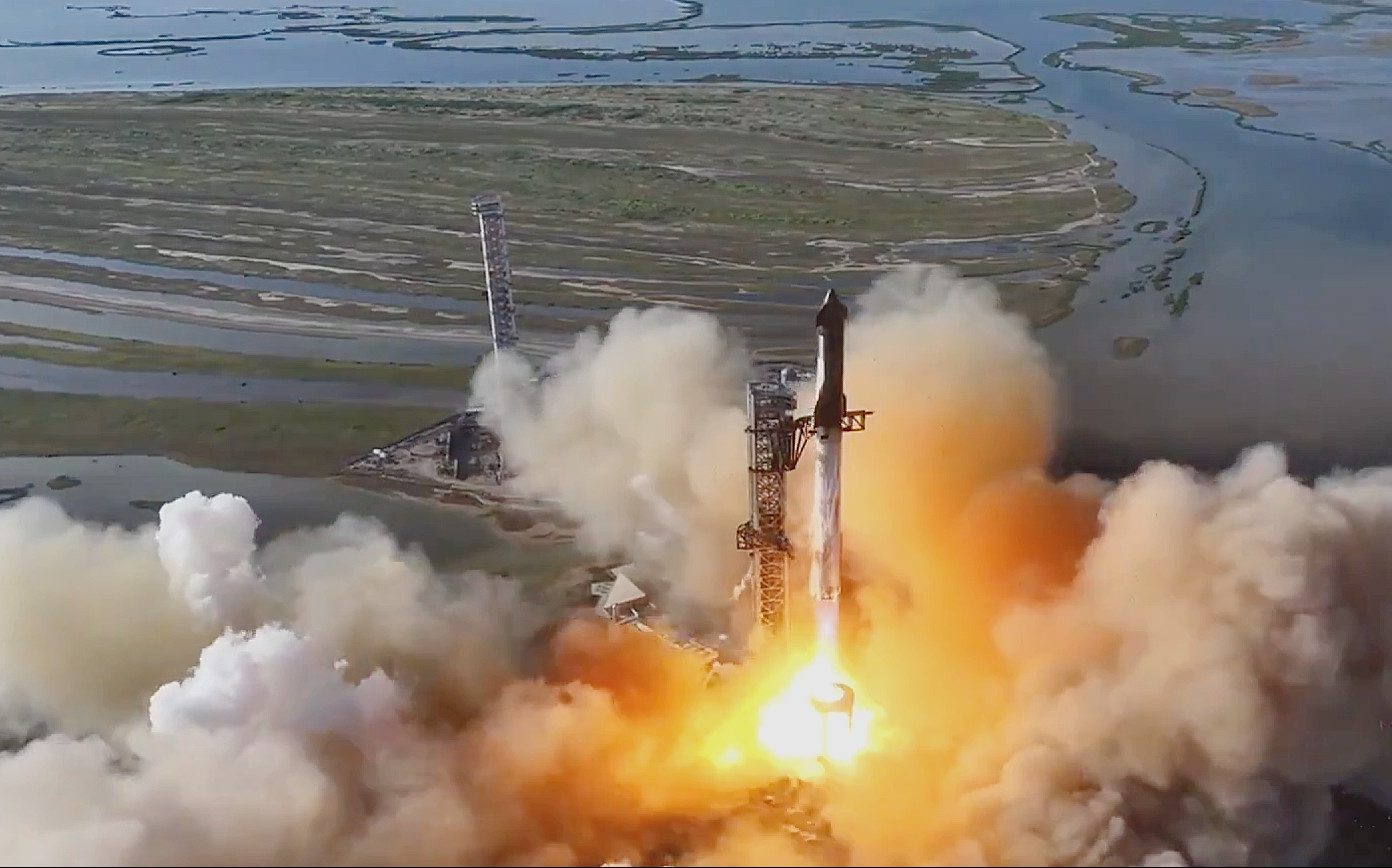
The rationale is pragmatic. Earth-based AI data centers are running into hard limits on land, community opposition, and power and water permitting. SpaceX argues that space offers unlimited solar power, natural vacuum cooling, and no zoning boards. Musk said in a June presentation that he expects space to become the lowest-cost place to deploy AI compute within two to three years. A single Starship flight could carry 30 to 50 AI1 satellites, delivering the equivalent of dozens of server racks per launch.
The Gigasat factory and the timeline
SpaceX plans to build AI1 at a new mega-complex called Gigasat on roughly 1,000 acres in Bastrop County, Texas, potentially spanning up to 11 million square feet of vertically integrated manufacturing. Two prototype AI1 satellites are slated to launch in early 2027, with volume production and around 1 GW per year of orbital compute capacity targeted by late 2027. The reveal came as SpaceX priced its IPO at $135 a share and closed its first day up 19%, valuing the company above $2 trillion — a debut we covered in SpaceX's first day on the Nasdaq.
A new compute landlord
If Starmind scales as described, it would make SpaceX the landlord of AI compute the same way Starlink made it the landlord of satellite internet. The move builds on SpaceX's rapid push into terrestrial AI infrastructure, including its $920-million-a-month Google compute deal at the Colossus data center. It also intensifies a fast-emerging race in orbital data centers, where startups like those behind Cowboy Space's $275M round and Muon Space's Condor Ultra platform are chasing the same opportunity. Whether orbital compute can match terrestrial costs remains unproven — but with a name, a factory, and a launch date, Starmind is no longer just a slide in a keynote.
Reporting based on coverage from Teslarati, Notebookcheck, MLQ.ai, Data Center Dynamics, Tom's Hardware and CNBC.