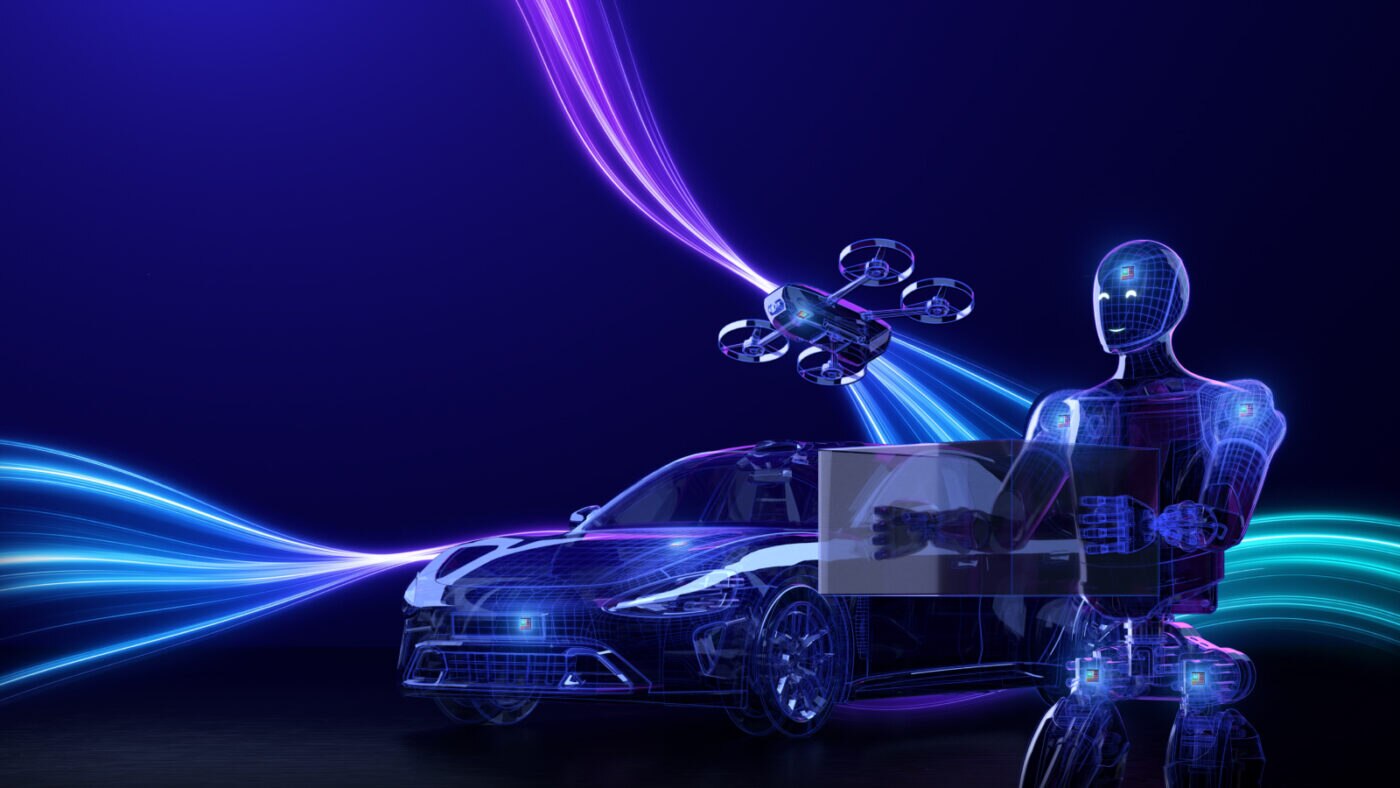
Arm unveiled Arm Total Design for Physical AI alongside a new Robotics Capability Framework on September 8, 2026, bringing more than 80 partners across silicon, cloud, models and robots under a shared reference stack for the machines that will move, sense and act in the physical world.
The 80-partner ecosystem
Arm Total Design for Physical AI is an expansion of Arm's existing Total Design program — until now a chip-focused framework — into robotics. The launch roster spans AI infrastructure providers like AWS, Hugging Face and Liquid AI; silicon and OS partners NXP, QNX and Qwen; industrial giants Siemens and Lenovo; humanoid and quadruped teams Unitree, ANYbotics, Fourier, GALBOT and Gravis Robotics; automotive companies ECARX and PlusAI; and consulting muscle from McKinsey. Prosthetics maker PSYONIC, simulation vendor Robotec.ai and Anaxi Labs round out an unusually broad tent.
A robotics equivalent of SAE levels
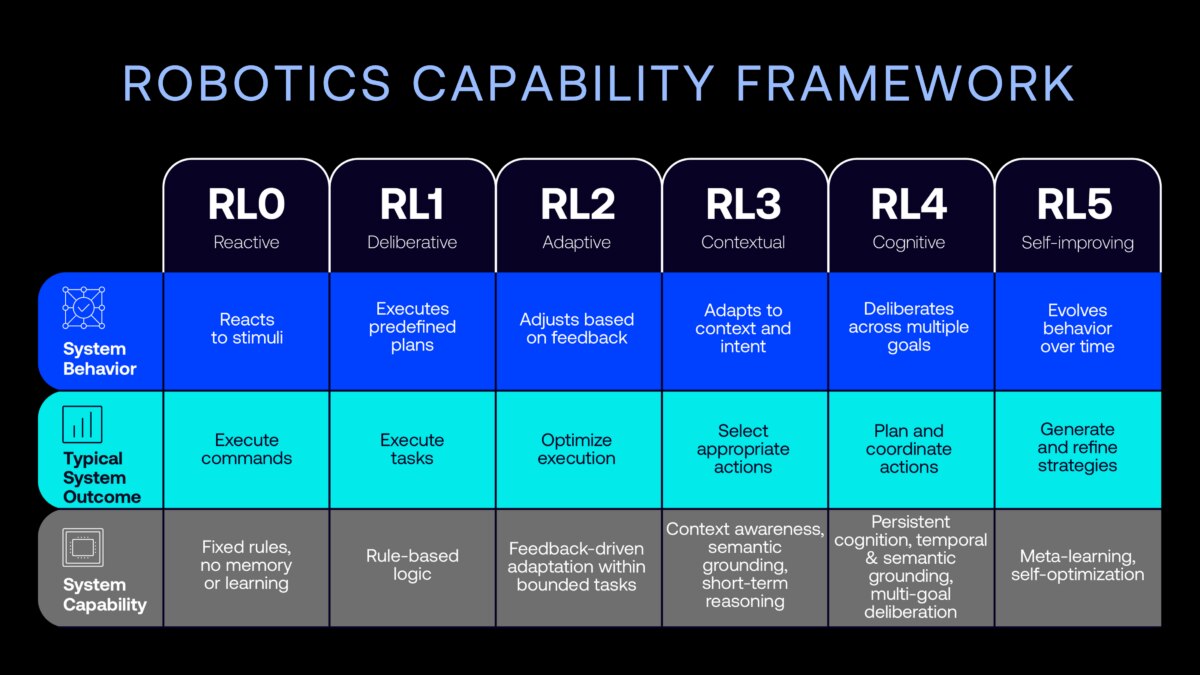
The Robotics Capability Framework published alongside the ecosystem defines six levels, RL0–RL5, meant to give engineering teams a shared way to specify what a physical AI system can perceive, reason about and physically execute. Arm is positioning it as the robotics equivalent of the SAE J3016 levels that anchor autonomous-driving conversations, and expects it to reduce integration complexity as companies mix and match sensors, foundation models and actuators.
Arm's pitch: no single stack wins alone
"No single company can solve this alone," Arm executive vice president for Physical AI Drew Henry said in the announcement. "We need greater collaboration across an increasingly complex ecosystem." The framing echoes the pitch NVIDIA has been making with Cosmos: physical AI needs shared models, shared simulation, and shared certification just to get out of the demo phase.
Why it matters
Arm cores already sit inside most robot control boards, phones and cars. Extending Total Design to physical AI positions Arm as the connective tissue between chip vendors and the increasingly agentic robots showing up on factory floors — from UBTECH's Liuzhou factory to Agility Robotics' Digit 5. It also gives Hugging Face and Liquid AI a formal seat at the physical-AI table alongside chip incumbents, which is where the platform fight is headed.
Reporting based on coverage from the Arm Newsroom, The Robot Report and Artificial Intelligence News.