The US Department of Energy on September 24, 2026 unveiled Speed to Power (SPARK), a $5.25 billion transmission-capacity program pairing $1.9 billion in federal funding with $3.35 billion in recipient cost share across 31 projects in 26 states. The initiative is one of the largest single-day grid announcements in a decade and is meant to add more than 23 gigawatts of usable US grid capacity without waiting for greenfield transmission lines to permit and build.
Reconductoring, Not Greenfield Lines
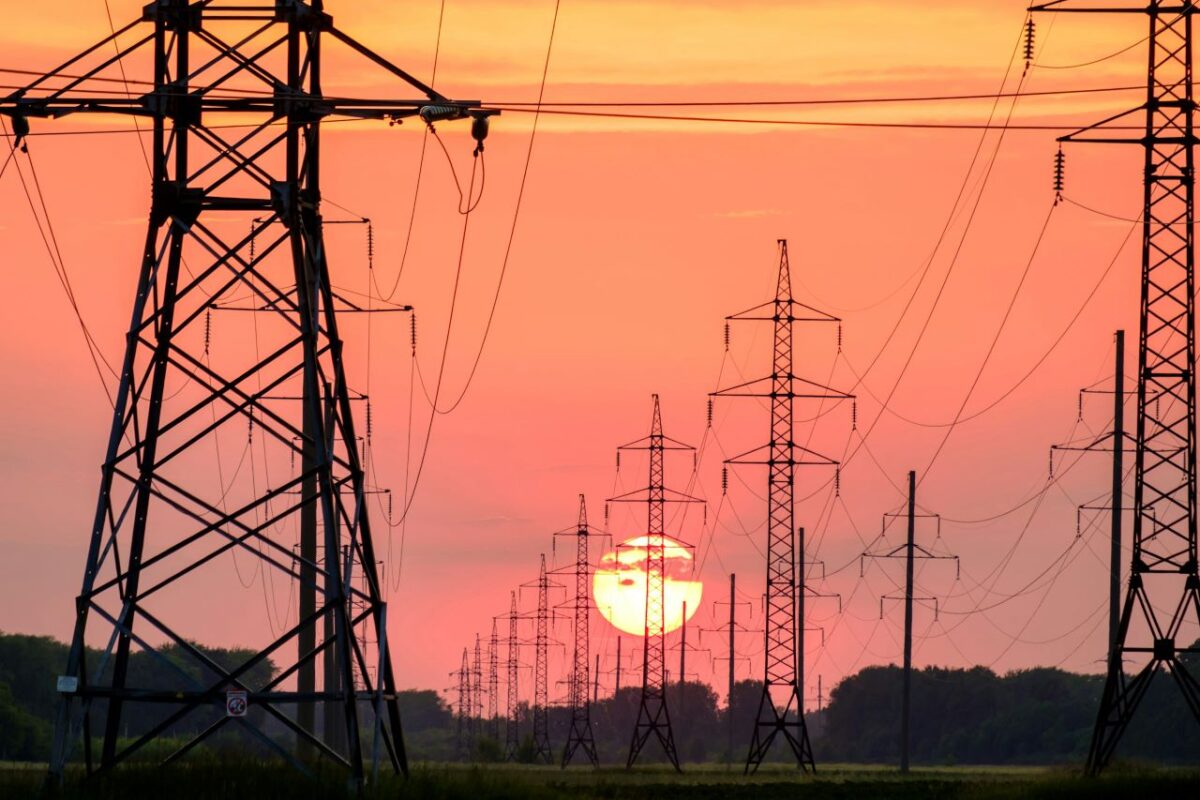
SPARK — Speed to Power through Accelerated Reconductoring and other Key Advanced Transmission Technology Upgrades — centres on replacing existing transmission conductors with higher-capacity variants (carbon-composite and other advanced conductors) that push more amperes down the same rights-of-way. DOE says the program will reconductor more than 1,500 miles of US transmission line and deploy grid-enhancing technologies (GETs) such as dynamic line rating, topology optimisation and advanced power-flow control across roughly 21,000 miles of grid.
16 Million Homes, 100 Million People
The 23 GW capacity increase is enough to serve roughly 16 million US households, according to DOE's own math, and the agency estimates 100 million Americans will see improved reliability or lower bills. Utilities in states from Texas and Virginia to California and New York are among the recipients, split between small and large utility awards.
Secretary Wright: 'Get More Out Of What We Have'
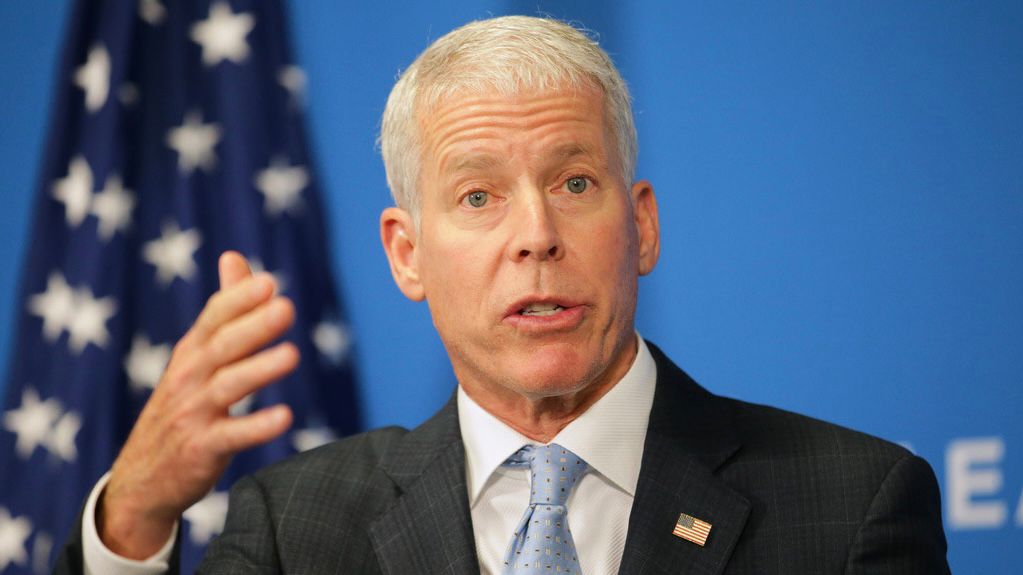
Energy Secretary Chris Wright framed the awards as pragmatism, not new build. "These investments will get more out of the infrastructure we already have, move more electricity across the grid, and help deliver affordable, reliable and secure power," he said. Assistant Secretary Catherine Jereza said DOE was "moving with urgency" to strengthen the grid ahead of an anticipated multi-year spike in load driven by AI data centres and re-shored manufacturing.
Why It Matters For AI And Robotics
Data-centre load is on track to more than double between 2025 and 2027, with Goldman Sachs projecting roughly 66 GW of new US data-centre demand by next year. Without transmission capacity, hyperscalers have been forced to co-locate compute with generation — behind-the-meter gas turbines, small modular reactors, or curtailed renewables — rather than tap grid supply. SPARK's reconductoring push is a bet that squeezing 23 GW out of the existing US grid is faster than waiting on greenfield 765 kV lines whose permitting cycles routinely exceed a decade.
Related coverage on The Robotics Media: $10B American Leadership In Fusion Act, Navy's Crane microreactor pick, and Crusoe cancelling Boom Superpower turbine order.
Reporting based on coverage from energy.gov, PV Tech, Spectrum News and DOE press briefings.