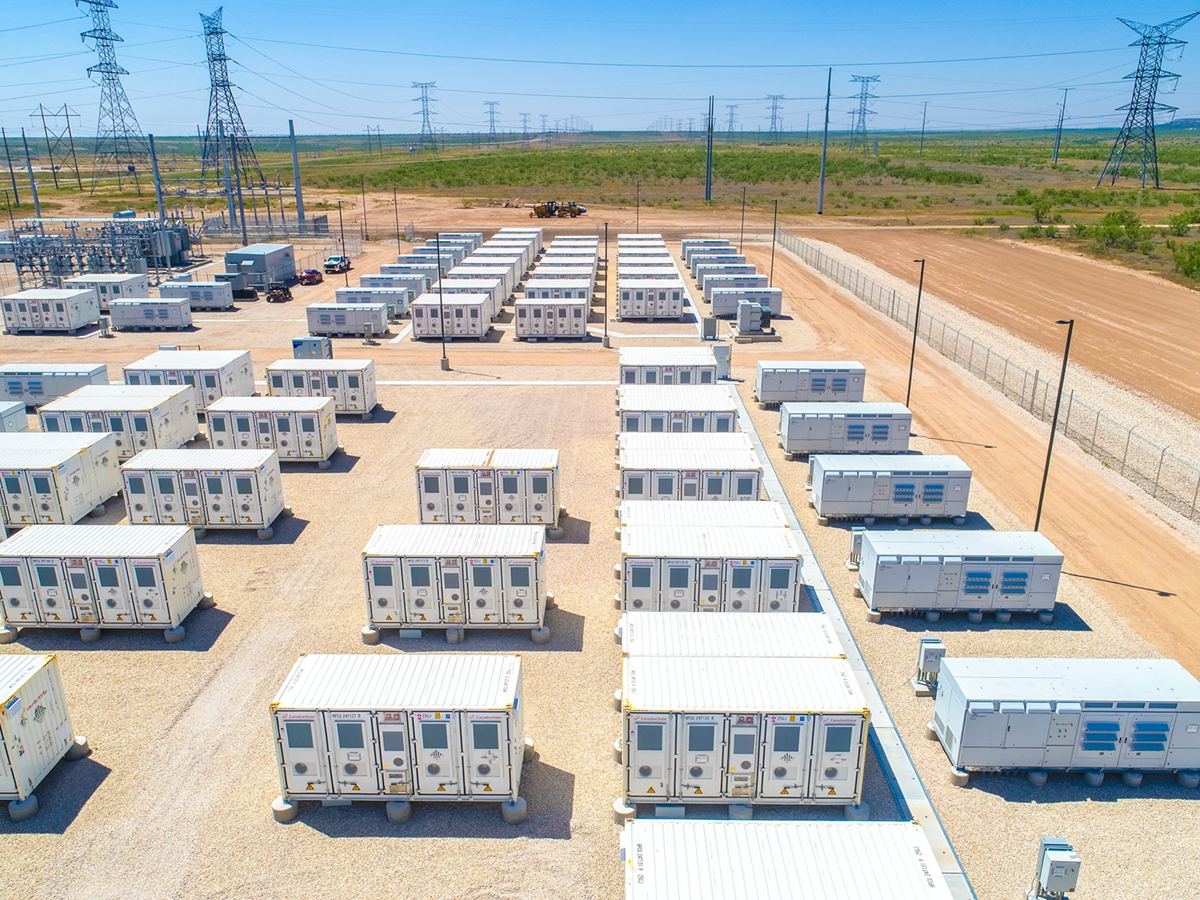
Nova Scotia hit its biggest energy storage milestone yet this week as federal and provincial officials inaugurated three new grid-scale battery systems totaling 150 MW / 600 MWh — the largest storage fleet in Atlantic Canada. Together the sites in Bridgewater, Waverley and White Rock deliver enough capacity to power roughly 135,000 homes for four hours during peak demand, and are expected to shave about 90,000 tonnes of greenhouse gas emissions per year as Nova Scotia Power leans harder on wind and solar.
The Financing
Ottawa put in C$109 million for pre-development, construction and grid upgrades through the Smart Renewables and Electrification Pathways Program and the Electricity Predevelopment Program. The Canada Infrastructure Bank added a C$138.2 million long-term loan — the first clean-energy financing to close under the bank's newly launched Indigenous Equity Initiative, which channels concessional capital into Indigenous-led project ownership.
An Indigenous-Equity First
The three batteries are co-owned by Nova Scotia Power and Wskijinu'k Mtmo'taqnuow Agency (WMA), an entity representing all 13 Mi'kmaw First Nations in Nova Scotia. That equity model — not just an off-take or benefits deal — is a template Natural Resources Canada wants to see replicated across the country's storage and transmission build-out, and mirrors the direction of travel in large European BESS frameworks where local ownership is becoming a permitting differentiator.

Technology And Timing
Each of the three sites — engineered and built by PCL Construction as EPC partner with Canadian Solar subsidiary e-STORAGE — uses e-STORAGE's SolBank LFP battery platform, sized at 50 MW / 200 MWh. Construction started in 2024 with the first units delivering into the grid earlier this year, and full commissioning wrapped in time for the Sept. 16, 2026 ribbon-cutting. Nova Scotia Power says the fleet gives system operators a fast-ramping resource to firm up wind output and cut back on coal cycling, and the utility is already scoping the next tranche of storage as part of its 2030 renewable target. It's a notable step for a province that has historically leaned on baseload thermal generation, and it comes as Canadian storage build-out accelerates alongside record year for the Northern Ontario data-center BESS pipeline and cross-border supply frameworks.
Reporting based on coverage from Natural Resources Canada, the Canada Infrastructure Bank, PCL Construction and TaiyangNews.