The European Space Agency's Centre for Earth Observation in Frascati, Italy has begun installing its first on-premises quantum computer — a Bell-1 system built by Dublin-based Equal1 — to test hybrid quantum-classical algorithms on Earth observation data, the two organizations said July 16.
A 6-qubit silicon spin computer in a data-centre rack
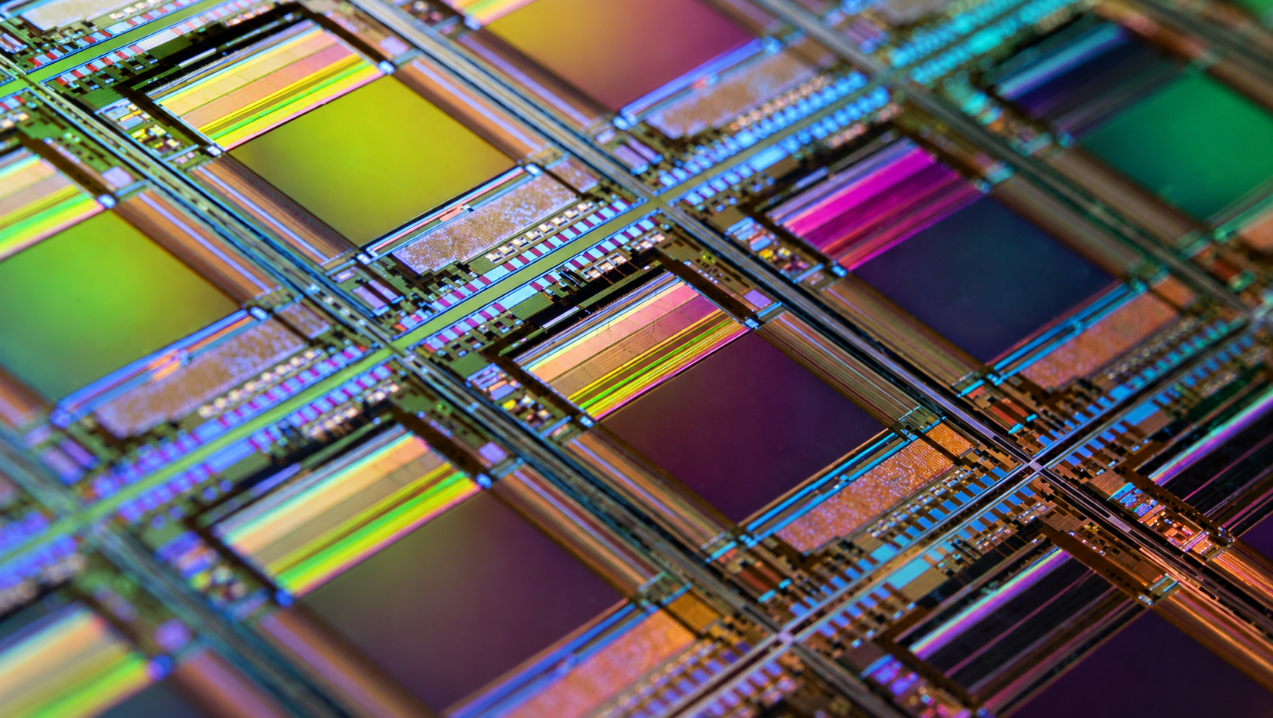
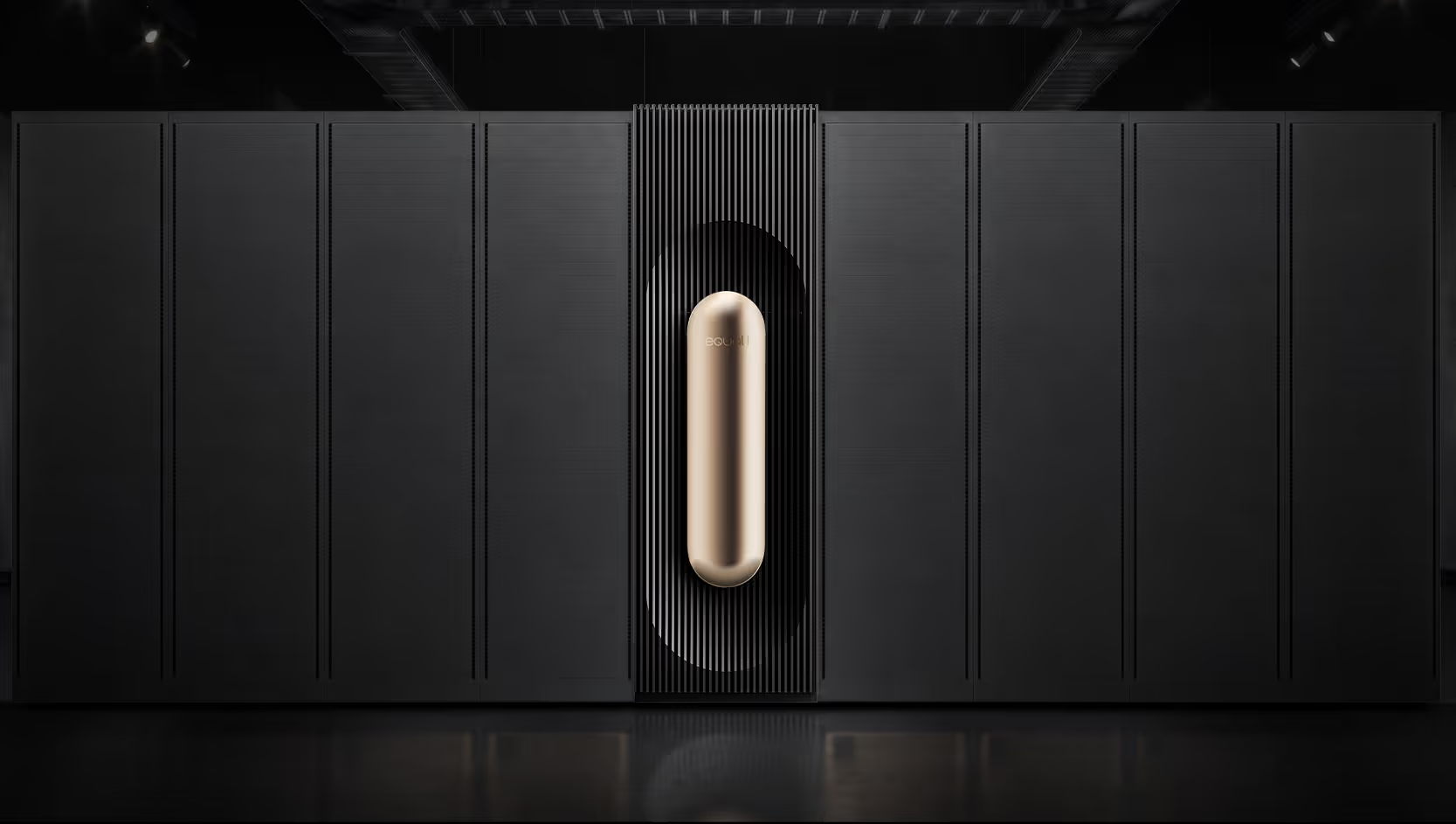
Bell-1 is a 6-qubit machine built on silicon spin qubits fabricated with a standard CMOS process, similar to the fabrication used for smartphone and laptop chips. Unlike superconducting quantum computers that require dilution refrigerators, Bell-1 operates at roughly 0.3 kelvin using an integrated closed-cycle cryocooler and draws only about 1.6 kW of power — comparable to a single high-end enterprise server. The entire system is housed in a compact, rack-mounted chassis that slots directly into ESA-ESRIN's existing HPC infrastructure at the Data Centre in Frascati.
Testing hybrid quantum-classical algorithms on real satellite data
ESA plans to keep Bell-1 available for internal research for one year after commissioning, with the ESA Φ-lab targeting a pilot demonstration by the end of 2026. Use cases include hybrid quantum neural networks for land use and land cover classification, satellite mission planning, and climate modelling workloads. "Earth observation will be entering an era where the scale and complexity of the data will challenge even our most advanced classical computing systems," said Giuseppe Borghi, head of the ESA Φ-lab Division, adding that quantum computing "has the potential to complement the existing high-performance computing rather than replace it."
Silicon spin qubits push toward practical deployment
The ESA install extends Equal1's push to make quantum computing a rack-scale peer to classical HPC. In May 2026 the company launched the production RacQ evolution of Bell-1 alongside Dell Technologies, integrating a silicon quantum processor with a Dell PowerEdge R770 server and Dell's Quantum Intelligent Orchestrator inside a single 42U frame. Equal1 has raised more than $90 million from investors including Atlantic Bridge, ISIF, Enterprise Ireland, Elkstone and the European Innovation Council Fund since spinning out of University College Dublin in 2018.
Related coverage: Infleqtion To Deploy Fault-Tolerant Neutral-Atom Quantum Computer At Illinois Park, IBM to Acquire HRL Laboratories to Add Silicon-Spin Qubits to Anderon Foundry, and Hitachi, Intel And AIST Launch NEDO Silicon Quantum Project On Intel 18A.
Reporting based on coverage from The Quantum Insider, Silicon Republic, Data Center Dynamics and Equal1.