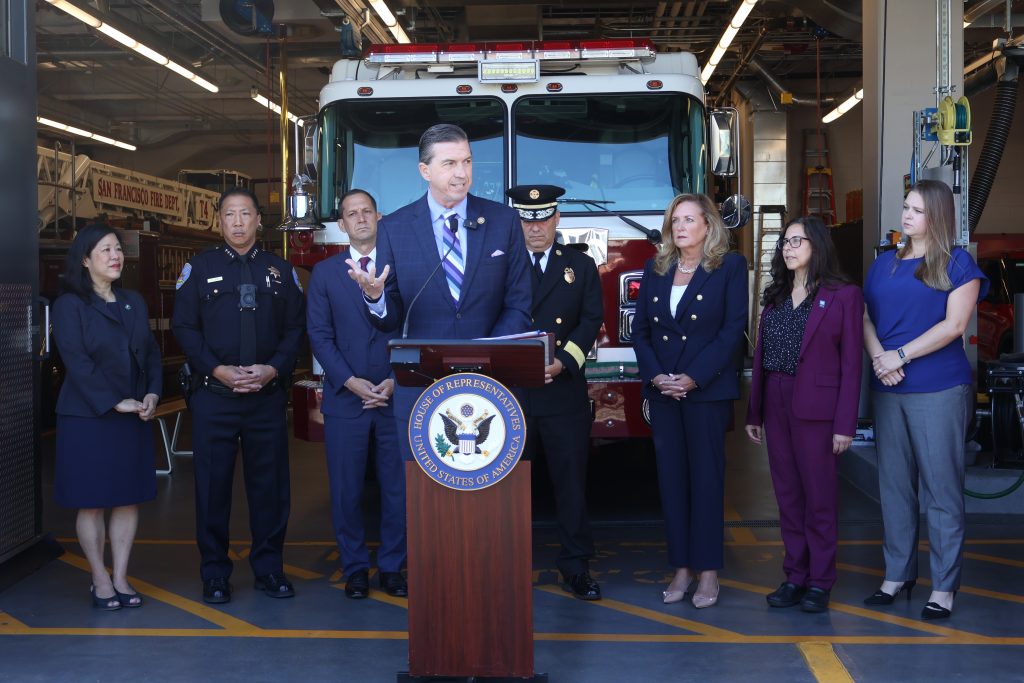
U.S. Rep. Kevin Mullin (D-Calif.) has introduced the AV Emergency Response Coordination Act, the first federal bill dedicated to standardising how autonomous vehicles interact with first responders. Mullin announced the legislation on July 28, 2026, at a joint San Francisco press conference with Mayor Daniel Lurie, Fire Chief Dean M. Crispen and Advocates for Highway and Auto Safety president Cathy Chase, framing it as a direct response to a mounting list of Waymo and other robotaxi incidents.
What the bill would require
The measure would direct the National Highway Traffic Safety Administration to write minimum national emergency-response standards for AV operators and require companies to publish clear, standardised protocols for first responders. It would also create a 24/7 hotline for public officials to reach AV firms during incidents and set up a formal "geofence notice" process so cities can force autonomous fleets out of active emergency zones. NHTSA administrator Jonathan Morrison recently sent his own letter to AV companies demanding they fix first-responder interference, giving the bill bipartisan air cover.
Why San Francisco pushed for it
The list of documented incidents keeps growing across Austin, Phoenix, Las Vegas, Dallas and San Francisco, with autonomous vehicles reportedly blocking ambulances, driving into active crime scenes, obstructing fire trucks and failing to recognise flashing lights, flares and traffic cones. "Seconds count during a crisis, and we've seen too many terrifying incidents of AVs interfering with police, fire fighters, and paramedics," Mullin said. Mayor Lurie called the bill a way to "take the lessons we've learned to the rest of the country."

Pressure on Waymo, Zoox and Tesla Robotaxi
The bill lands as Waymo prepares to exit its Uber partnership and plots its own San Francisco app, and as Lyft and Baidu open London robotaxi tests. Mullin has previously introduced the AV Safety Data Act to force operators to report incident data to NHTSA and has pressed the agency for more comprehensive safety reporting. If passed, the new bill would give federal regulators their first explicit mandate for AV emergency coordination.
Reporting based on coverage from TechCrunch, KQED, KRON4, SF Standard and the House press release.