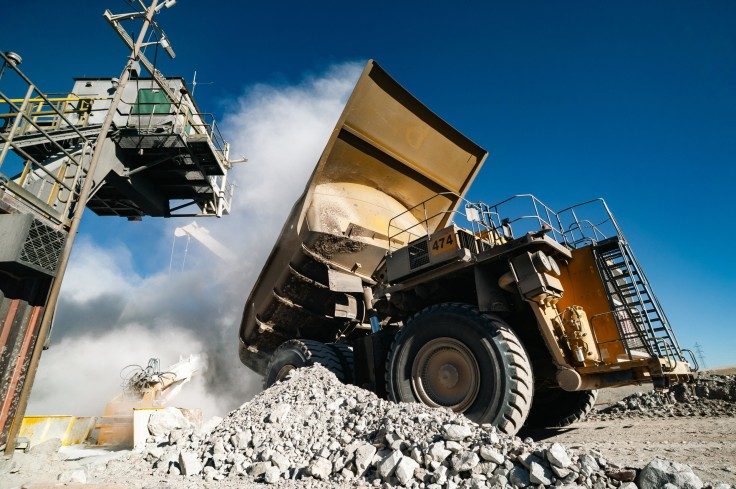
An autonomous Komatsu 980E haul truck went off the road at Minera Centinela, the Antofagasta Minerals copper operation in northern Chile, on November 12, 2026, after losing its communications link with the mine's remote operations center, according to Latin Times. The incident, involving autonomous unit 207, occurred around 7:15 a.m. at Intersection 04 of the internal dike route in the mine's Encuentro Sulfuros pit. Chile's mining regulator, Sernageomin, independently confirmed the event. No injuries were reported, and the sector of the pit where the truck went off-road was sealed off pending investigation.
The truck runs on Komatsu's FrontRunner Autonomous Haulage System, which lets trucks operate without an onboard driver by directing them from a remote operations center. When unit 207's signal dropped, the remote operator lost the ability to steer, brake or redirect the vehicle. An internal emergency document described the sequence as \"a loss of communication from autonomous unit 207...followed by notification of that unit going off-road.\" Antofagasta Minerals has not announced a timeline for reopening the affected area.
Why a Signal Dropout Matters for Autonomous Haulage
Autonomous haulage systems are built around the assumption that a lost connection triggers an automatic stop, not a continued roll. Komatsu's FrontRunner, like Caterpillar's Command and EACON's ORCASTRA, relies on redundant wireless links and geofencing to bring a truck to a safe halt if communication fails. That a truck instead left the roadway suggests either a gap in that fail-safe behavior on this specific unit or a terrain factor, such as grade or surface condition, that overwhelmed the stopping protocol before it could take effect. Because no one is inside the cab, the incident caused no injuries, which is the core safety argument mine operators use to justify autonomous haulage in the first place.
What This Means for Operators Scaling Autonomy
The timing is notable. Chinese operators running EACON's ORCASTRA system have been racing past 4,000 deployed trucks this year, and Komatsu and Caterpillar continue to anchor the largest fleets in Chile and Australia, where remote, high-grade pits depend on uptime. A single off-road event will not reverse that momentum, but it gives mine safety regulators and unions a concrete data point in an industry where autonomous haulage is still justified largely on projected safety gains rather than large public incident records. Sernageomin's involvement signals that Chilean regulators are treating the event as more than an internal operational matter. Antofagasta Minerals will need to show what failed in the communications chain and whether the fix is a software patch, a hardware upgrade, or a change to how the fleet handles connectivity gaps in that section of the pit before autonomous operations resume there in full.