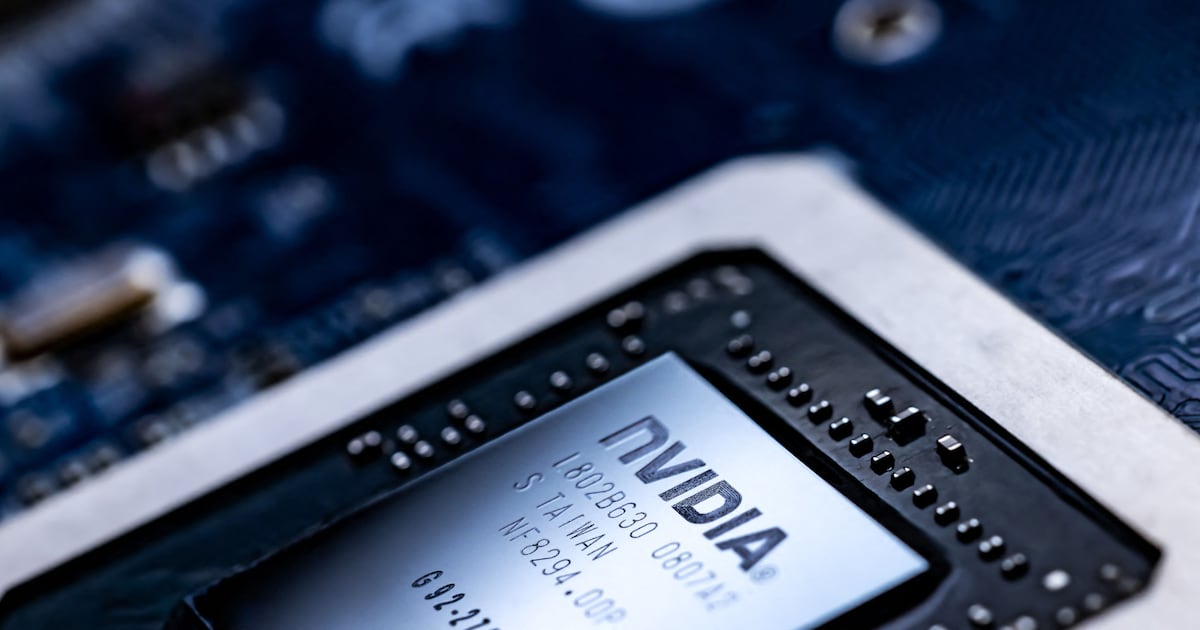
NVIDIA has recruited six of the world's largest asset managers to help underwrite the next wave of AI infrastructure, unveiling memorandums of understanding with Apollo Global Management, BlackRock, Blackstone, Brookfield Asset Management, Goldman Sachs and KKR to mobilize more than $500 billion of third-party capital for data centers, chips, power and networking. The chipmaker announced the compute-financing platforms on August 10, 2026, framing NVIDIA compute as a new "investable asset class" backing what CEO Jensen Huang calls "AI factories."
Compute as collateral
Under the arrangements, dedicated pools of capital will fund AI infrastructure across NVIDIA's ecosystem, with GPUs and full-stack systems used as collateral for private offerings and bonds issued by special-purpose vehicles. Those vehicles could raise tens of billions of dollars at a time and lease the compute back to NVIDIA's largest customers, from frontier AI labs to hyperscalers and sovereign AI clouds. As the only bank in the coalition, Goldman Sachs is positioning itself as the lead bookrunner on the public debt.

Why Wall Street is stepping in
Morgan Stanley estimates hyperscale cloud providers alone could spend roughly $3.5 trillion between 2026 and 2028, while the wider AI infrastructure buildout could exceed $8 trillion. Huang told CNBC he approached only six firms and none turned him down, adding that NVIDIA may provide financing support of up to 25% on individual opportunities. The move follows NVIDIA's talks to backstop as much as $250 billion of OpenAI compute at the SoftBank-linked Stargate site in Ohio, and its expanded $500 billion partnership with South Korea's SK Group.
Circular financing concerns
The MOUs deepen a debate over whether NVIDIA is inflating demand by financing its own customers. Critics argue the loop concentrates risk in a single vendor, while backers say the compute is liquid enough to be reassigned, limiting downside for lenders. BlackRock CEO Larry Fink pitched the coming debt as "high credit quality" yield for investors "overinvested in equities," and Blackstone's Jon Gray called it a doubling-down on the NVIDIA stack. Related coverage: Hadrian's $1.37B Series D, Olix Computing's $312M photonic AI raise, and Microsoft's Maia 300 AI chip.
Reporting based on coverage from NVIDIA, Blackstone, The National (Bloomberg) and TechStartups.