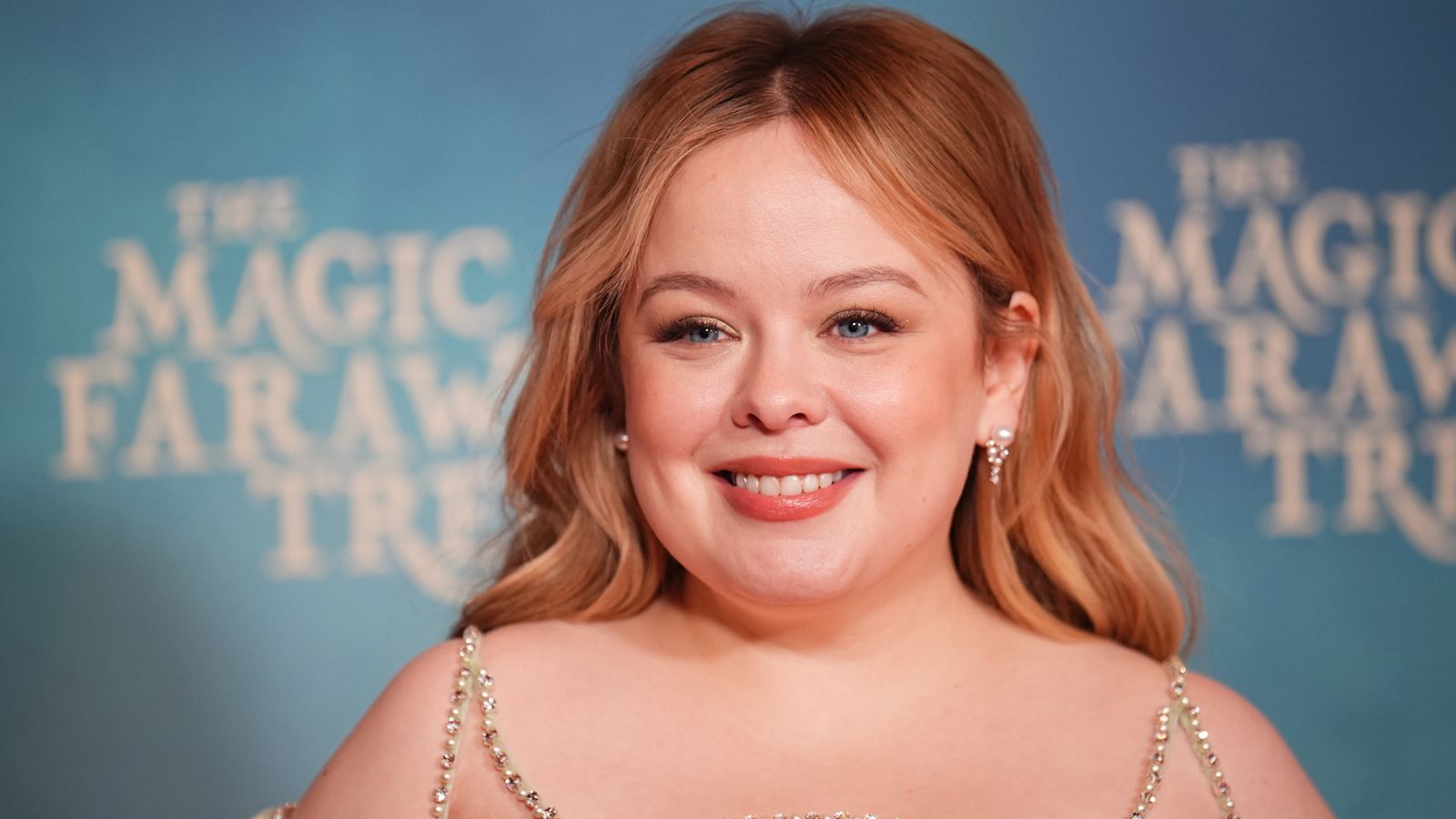
Around 80 UK actors and creative-industry figures — led by Nicola Coughlan, Hugh Bonneville, Matt Lucas, Luke Evans, Jen Brister, Siobhán McSweeney and Pearl Mackie — have signed an open letter to Prime Minister Andy Burnham demanding legislation that makes an individual's voice a protected statutory right in Britain, in the face of AI voice-cloning tools that can synthesise convincing new audio from just three seconds of recorded speech. The Save Our Voices Now campaign launched a parallel Gov.uk petition on August 28.
'Three seconds is all it takes'
"In just three seconds, with the right AI system, your voice can be cloned, stolen and reinterpreted without your knowledge," campaign founder Peter Caulfield said. He cites polling that 28% of UK adults report being targeted by a voice-cloning scam — a figure that reframes the issue from a Hollywood dispute into consumer fraud. Bonneville, who called his voice "part of my identity", quipped that his statement was "handwritten, not created by AI". Derry Girls star Siobhán McSweeney called the shortfall in legislation, contracts and ethical guardrails an "existential problem" that has to be dealt with legislatively "as soon as possible".
The legal ask: personality rights for voice
The petition would treat voice similarly to name and image — assets already recognised in English case law under passing off and privacy — but explicitly, at statute level, with take-down rights and clear liability for platforms hosting unauthorised synthetic audio. Denmark's ongoing reforms give individuals ownership of their face, body and voice with rights to demand removal and seek compensation, and campaigners want the UK to match or exceed that model.
Copyright is losing the AI race
The Save Our Voices Now push arrives as the UK Data (Use and Access) Act's AI copyright provisions are still being litigated, and as generative-audio startups race to license — or scrape — celebrity voices for dubbing, gaming and advertising. It follows the wave of anti-scraping actions that produced Stability AI's $76M Series B backed by Universal, Sony and Warner, and a growing wave of AI-content regulation exemplified by the 100-company letter on AI cyberattacks. If the campaign succeeds, the UK could become the first English-speaking jurisdiction to codify a personal voice right — reshaping consent, contracts and takedown workflows for every studio, platform and voice-AI startup that touches British audiences.
The industry takeaway
For companies building voice AI, the message is direct: opt-in licensing, per-voice provenance and machine-readable consent tokens are moving from best practice toward statutory duty. Expect voice-cloning defence products, digital-watermark standards and "proof of speaker" APIs to see fresh commercial interest — a market echoed in Meta's smart-glasses recording debate and this week's Hasbro breach coverage.
Reporting based on coverage from ITV News, Variety, and The Guardian.