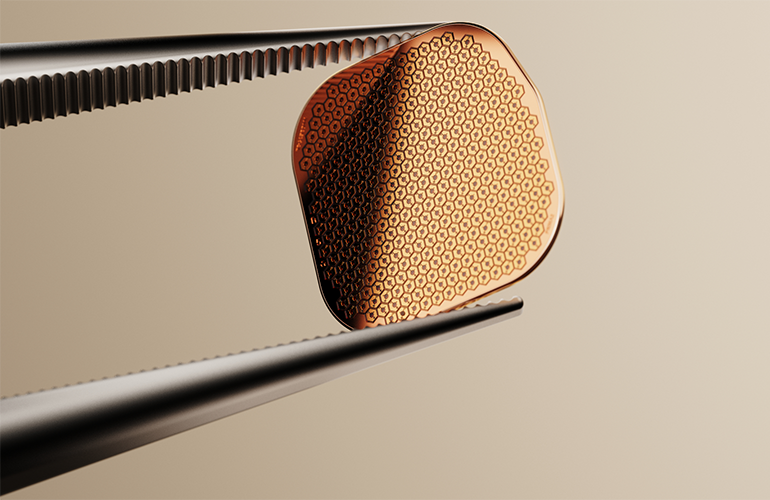
Science Corporation, the Alameda, California brain-computer interface startup led by former Neuralink president Max Hodak, has flipped PRIMA from clinical study to commercial product. The company said on July 22, 2026 that its wireless subretinal implant is now available across Europe under CE mark, making PRIMA the first BCI device authorized to restore functional central vision to patients blinded by geographic atrophy from age-related macular degeneration (AMD).
What just changed
PRIMA has held CE mark under the EU Medical Device Regulation since earlier this month, cleared by DEKRA and unlocking commercial sale across 30 European countries. Science says country-specific reimbursement applications and clinical site activations are already underway, with the first commercial implant expected in Germany — the same market where the pivotal trial was run.
In the U.S., PRIMA remains investigational, but the Food and Drug Administration has awarded it Breakthrough Device Designation, the first step toward an expedited review pathway. Science founder Max Hodak has said the launch is the moment the field has been waiting for: “The thing that the space needs is a company making $100 million a year of revenue,” he told TechCrunch.
How the bionic eye works
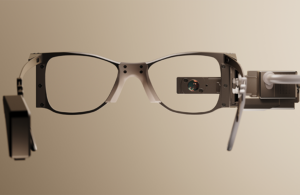
PRIMA is a 2 mm² wireless photovoltaic chip that is implanted under the retina in an hour-long outpatient procedure. Patients then wear camera-equipped glasses that project a near-infrared pattern into the eye. The chip converts that pattern into electrical stimulation of the inner-retinal neurons, restoring central vision in people whose photoreceptor cells have died. A “zoom-in” feature magnifies letters, and clinical trial patients regained on average 25.5 letters — more than five lines — on a standard eye chart, with 84% able to read letters, numbers and words.
From Neuralink to a real product
Hodak co-founded and served as president of Elon Musk-backed Neuralink before leaving in 2021 to start Science. The company acquired France's Pixium Vision in 2024, absorbing the underlying photovoltaic implant technology, then rebuilt the manufacturing, documentation and regulatory package under its own hood. That work was financed by more than $490 million in cumulative capital, including the $230 million Series C announced in March 2026.
The wider bionic race
PRIMA drops into a landscape crowded with neural implants racing for regulatory firsts. In Shanghai, Neuracle's NEO chip became the first commercially implanted BCI for motor restoration this month, while BrainCo continues to scale China's largest BCI round outside Neuralink. For prosthetics coverage, see our reporting on the Sumbu Exo-S3 consumer exoskeleton launch.
What's next
Each PRIMA system is expected to cost in the hundreds of thousands of dollars, and Science is in active reimbursement discussions with European payers. Hodak has said the first commercial implant could take place as early as September in Germany, alongside continued clinical work at Sydney Eye Hospital to expand the label into Stargardt disease and retinitis pigmentosa.
Reporting based on coverage from Science Corporation, MassDevice, TechCrunch and BusinessWire.