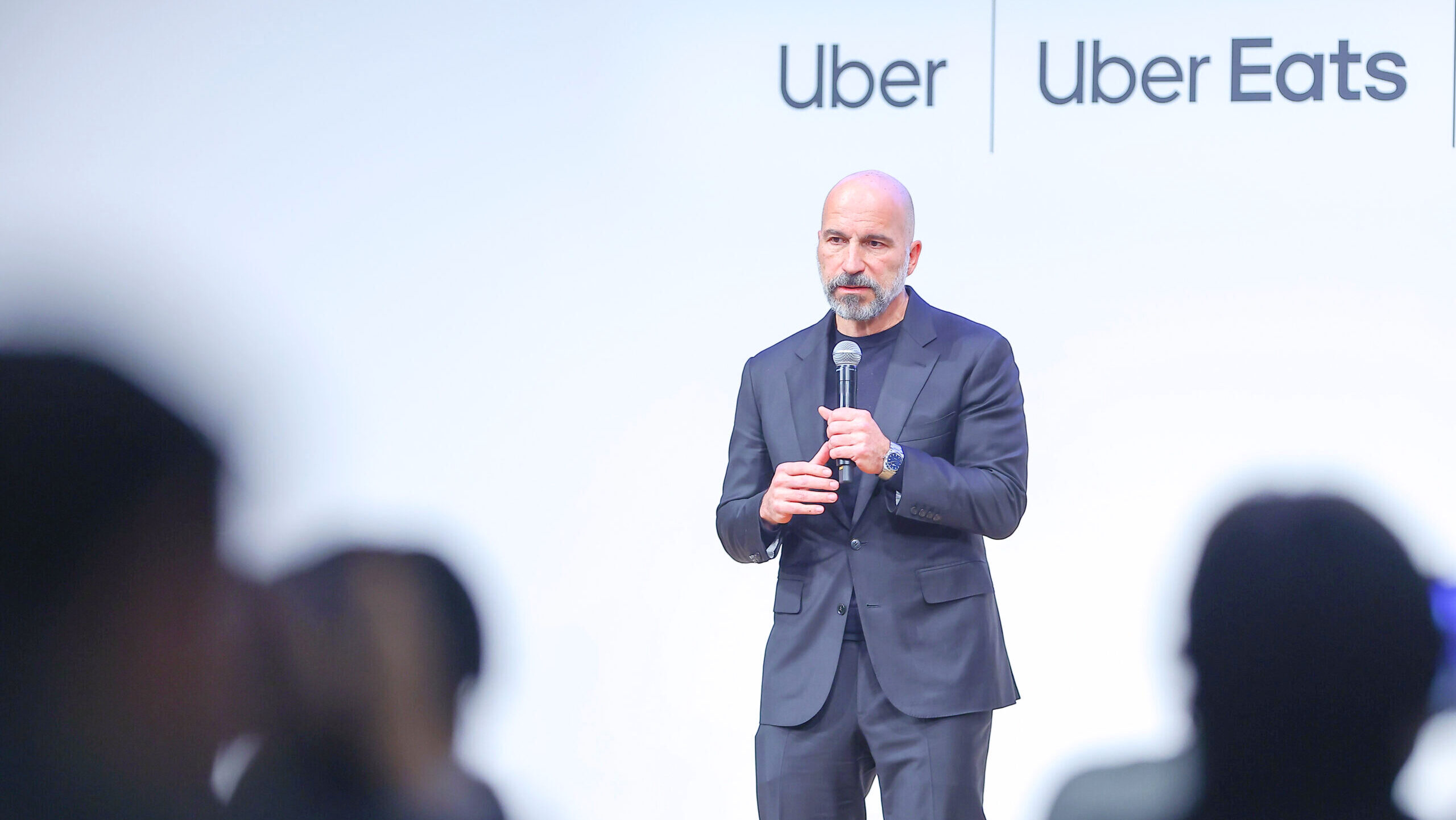
Uber chief executive Dara Khosrowshahi told investors on the company's Q2 2026 earnings call on August 5 that the ride-hailing giant will invest more than $10 billion in autonomous vehicles over the coming years, splitting the outlay between equity stakes in AV partners and balance-sheet commitments to more than 120,000 driverless vehicles. Uber shares fell nearly 8% after the update as investors weighed slower core-mobility growth against the AV bet.
Inside the $10 billion play
Roughly $2.5 billion of the commitment sits in equity investments across Uber's partner roster, including Waymo, Zoox, Wayve, Nuro, Waabi and WeRide. Uber said every dollar of its equity has catalysed roughly $2.50 in external capital. The remaining $7.5 billion covers vehicle off-take, real-estate footprint for depots and operating support for AV partners in cities where Uber becomes fleet operator of record.
Growth beats, guidance disappoints
Q2 revenue rose 12% year-on-year to $14.19 billion, adjusted EPS came in at $0.81 and gross bookings climbed 24% to $58 billion, with 3.9 billion trips completed. But the slowing top-line growth against 2025 comparables spooked investors as the AV race intensifies. NHTSA cleared Amazon's Zoox last week to charge passengers for rides in its purpose-built robotaxis, and Waymo is executing more than 500,000 weekly trips across six U.S. metros.
Partnership tensions
Uber said it will keep operating the Waymo integration in Austin and Atlanta into 2027, though Waymo has notified the company it plans to end that exclusivity in 2028 – news TRM covered when the exit was reported in late July. Khosrowshahi framed the $10 billion pledge as Uber's answer to that unwind, arguing that the company's 200-million-strong customer base and demand-shaping tools will keep it central to the driverless economy even as individual partners diversify. TRM's earlier coverage of the Zoox NHTSA clearance laid out the regulatory pressure on Uber's aggregator model.
Reporting based on coverage from The Daily Upside, CNBC, The Wall Street Journal and The Verge.