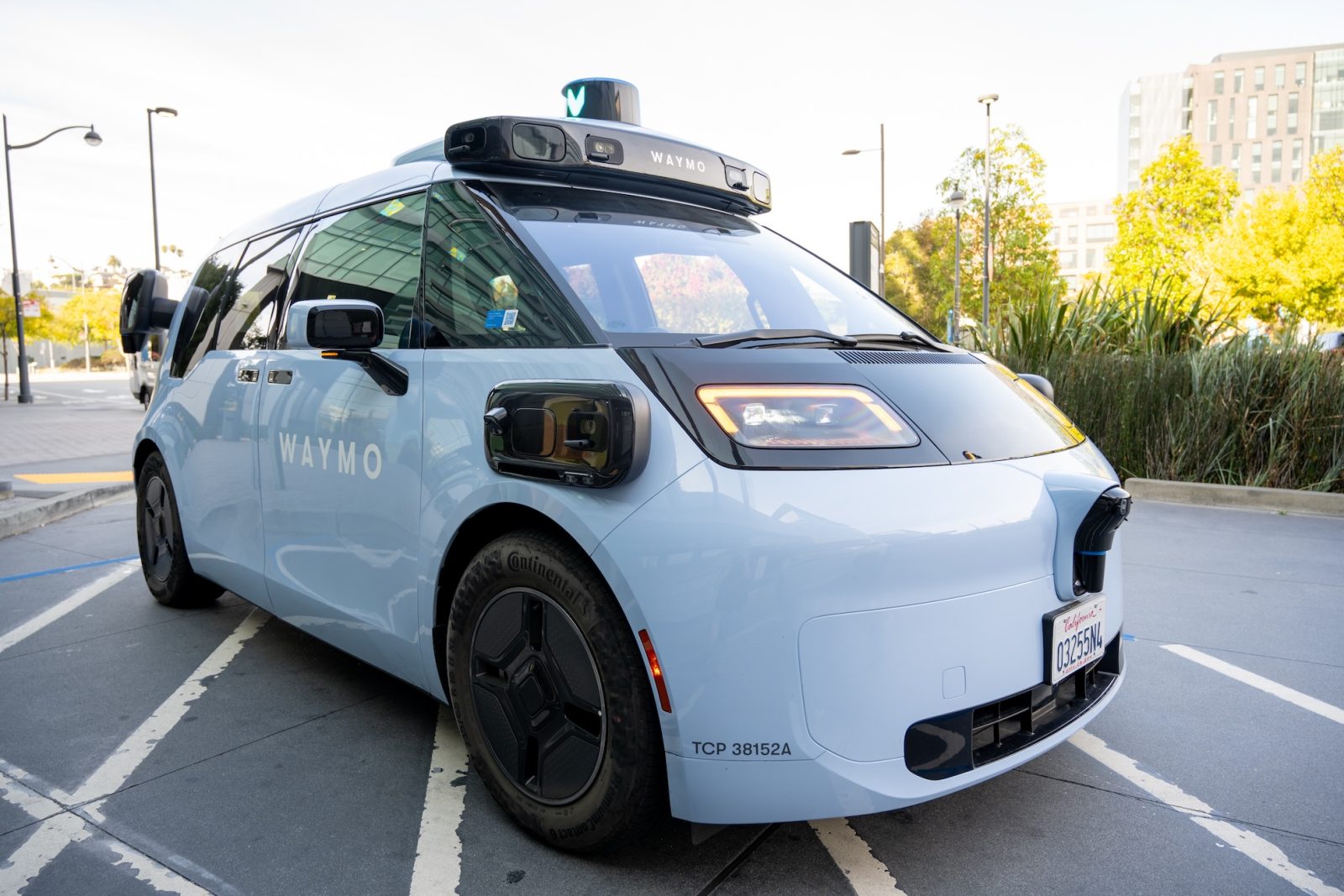
Waymo confirmed on November 4 that it will end its exclusive robotaxi arrangement with Uber in Austin and Atlanta, launching its own standalone app in both markets in January 2028. Co-CEO Tekedra Mawakana told Bloomberg the current contract, which runs through May 2028, will keep existing Waymo vehicles listed on Uber's app in the interim, so riders will not see an immediate change.
Mawakana said Waymo originally partnered with Uber for scale, but the experience has been inconsistent for riders, who could never be sure whether a given request would summon a robotaxi or a human-driven car. "It's important for us to have that relationship with the rider," she said, adding that the move follows direct customer feedback. Uber told TechCrunch it will keep hosting Waymo vehicles on its platform for as long as the two companies agree, framing the shift to exclude direct booking as Waymo's preference rather than its own.
Why Waymo No Longer Needs an Aggregator
The split reflects a changed balance of power. When the Uber deal began, Waymo needed distribution; now it operates independently across 11 U.S. metro areas and delivers more than 500,000 paid rides weekly on its own app. That scale reduces the strategic value of ceding the customer relationship, and the data that comes with it, to a ride-hailing intermediary.
The move was foreshadowed in July, when the Financial Times reported Waymo was exploring an exit from the Uber partnership, sending Uber shares lower at the time. November's confirmation reads as the next concrete step rather than a surprise, following Waymo's quieter exit from its roughly three-year-old Phoenix partnership with Uber the previous month. Investors reacted again: Uber shares fell more than 4% on the news, closing below $66, their lowest level in over a year, as the stock's roughly 20% decline in 2026 compounds concerns about Waymo eroding Uber's autonomous-vehicle ambitions.
A Fragmenting Robotaxi Distribution Map
Uber is not standing still. The company is pursuing parallel autonomous-vehicle partnerships with Avride, Nuro and Waabi, and has lined up access to as many as 50,000 Rivian-built autonomous vehicles, building a multi-supplier strategy that no longer depends on Waymo as an anchor partner. That hedges against exactly the kind of defection now unfolding in Austin and Atlanta.
For the robotaxi industry more broadly, Waymo's shift signals that direct-to-consumer apps are becoming the default once a market matures, with aggregator deals serving mainly as an entry strategy for new cities rather than a permanent arrangement. Operational friction has added urgency: Austin riders have reported Waymo vehicles entering flooded streets and illegally passing school buses, incidents that put pressure on Waymo to control the full customer experience, including support and incident response, rather than sharing that responsibility with a ride-hailing partner.
Whether other autonomous-vehicle operators follow the same arc, from aggregator dependence to direct distribution, will depend on how quickly rivals like Zoox, Apollo Go and Tesla's robotaxi service can match Waymo's scale without needing Uber's installed user base to get there.