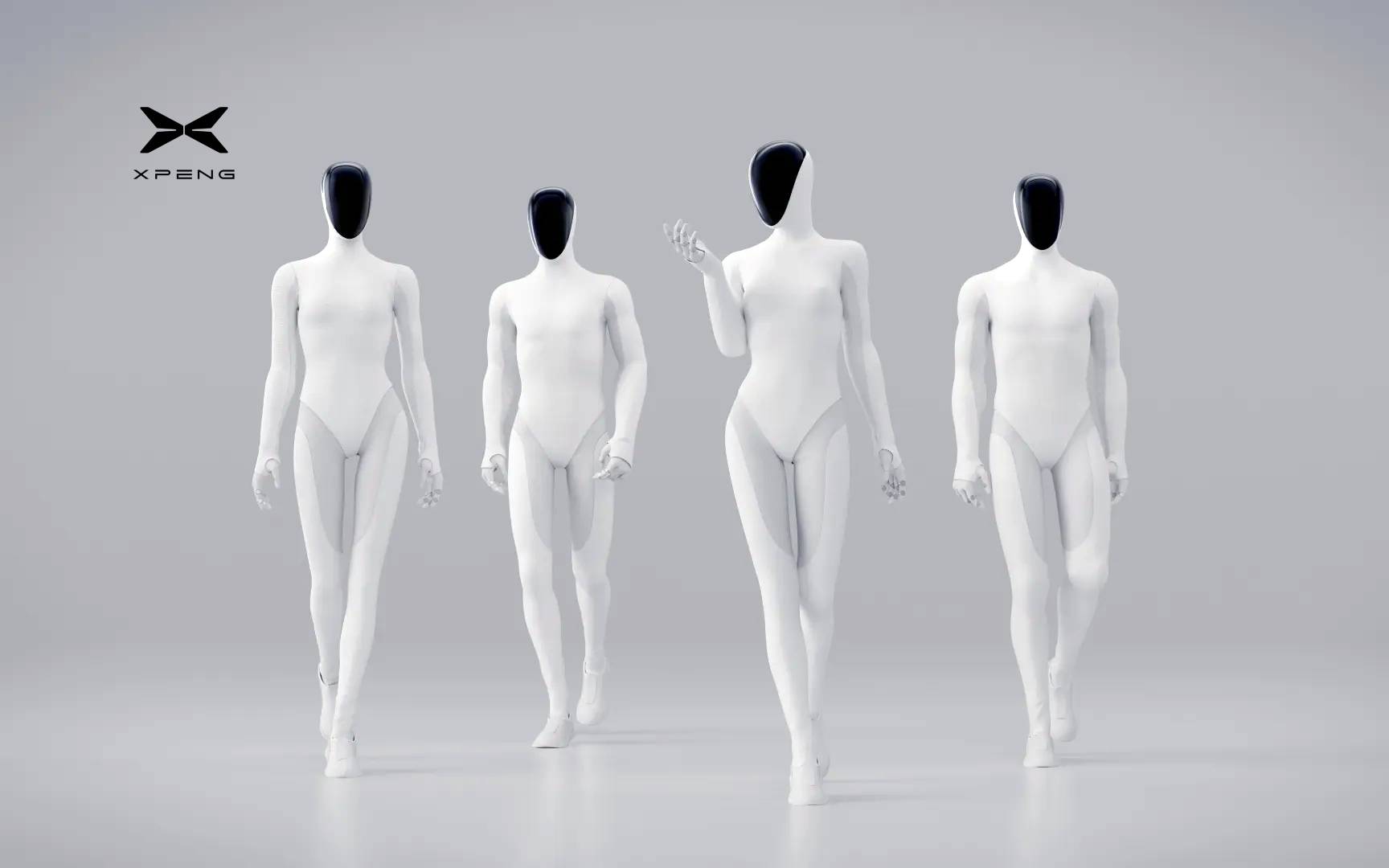
Xpeng has put a number on its humanoid robot ambitions. Vice-chairman Brian Gu said at the company's AI Day 2026 event in Guangzhou on November 25 that the IRON humanoid will be priced in the US$18,000 to US$44,000 range, aligned with the median selling price of Xpeng's own electric vehicles. The company plans to train IRON as a retail assistant starting in the first quarter of 2027, with public sales to follow in the second quarter.
Why the EV comparison matters
Pricing a humanoid robot against a car, rather than against other robots, is a deliberate signal. Most humanoid makers have avoided firm consumer pricing, citing unresolved manufacturing costs for actuators, hands and battery systems. By anchoring IRON to EV economics, Xpeng is betting that its existing automotive supply chain and factory capacity can absorb robot production without the cost premium that has kept rivals' price lists closed to the public.
Gu called 2027 "a critical year for scaling up and commercialising the business," with an internal target of selling tens of thousands of units. Xpeng's robotics unit raised $900 million at a $6.3 billion valuation earlier this year, led by IDG Capital, giving it the capital base to attempt that scale-up. Beyond hardware, the company is also planning recurring revenue from software upgrades, training services and data infrastructure tied to the robots, echoing the software-attach strategy it already runs on its cars.
Competitors and what comes next
The pricing puts IRON in a different bracket than most Chinese humanoid makers, which have mainly sold into industrial and research buyers at five- and six-figure contract prices rather than listing consumer sticker prices. A direct-to-public price point, even a rough one, pressures rivals such as Unitree and Fourier to clarify their own consumer roadmaps or cede the narrative on affordability.
Xpeng has not disclosed IRON's degrees of freedom, battery capacity or manufacturing location for the retail-assistant batch. The company says mass production of the robot is targeted to begin by the end of 2026, ahead of the Q1 training phase. Whether Xpeng can hit the low end of its price range while maintaining margin will depend on how much of the robot's bill of materials overlaps with its EV components, a detail the company has yet to break down publicly.