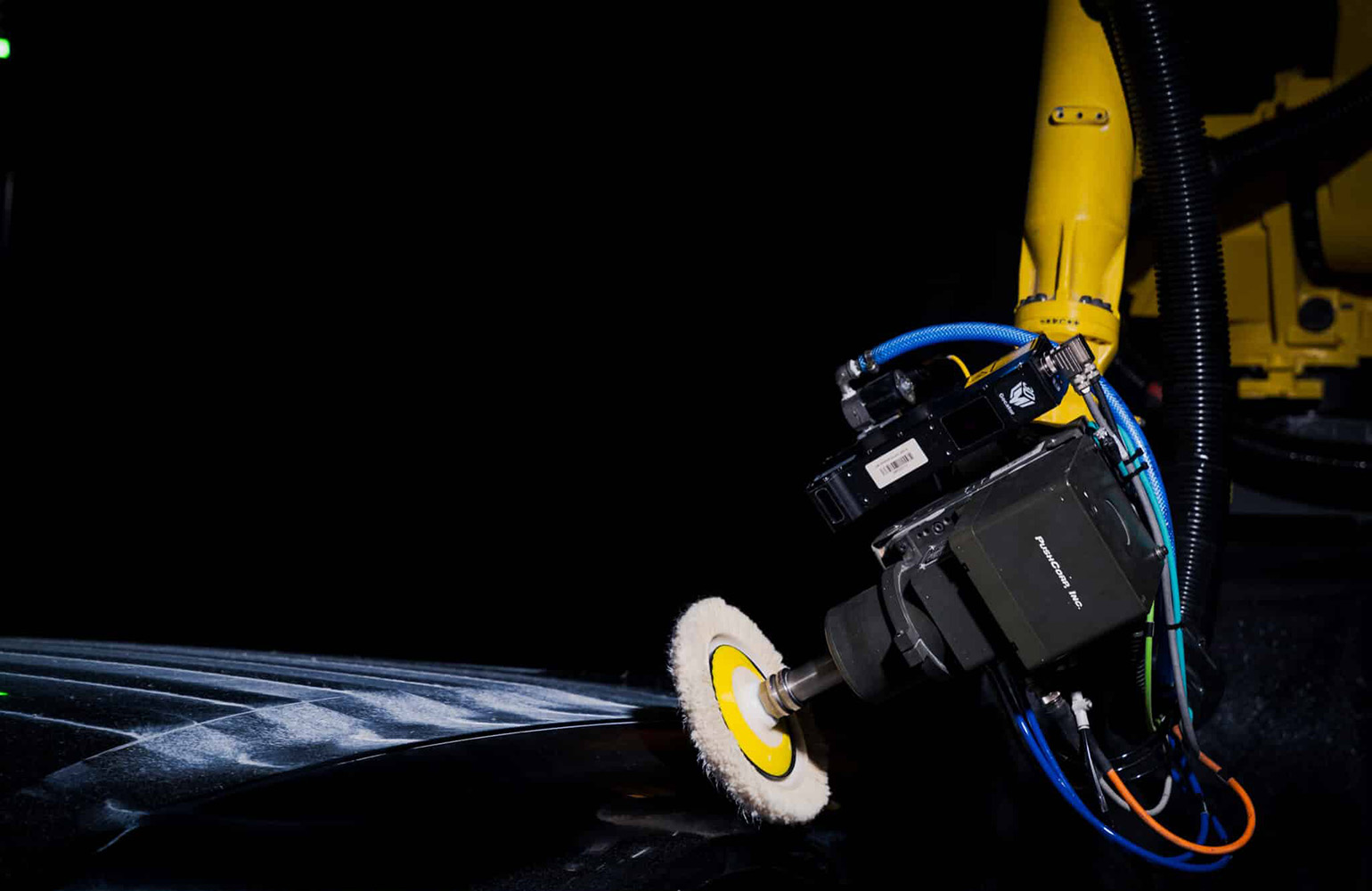
Defense manufacturing in the United States is short of people, and GrayMatter Robotics says intelligent robots can help. Pointing to a U.S. Navy industrial-base review that identified a projected need for roughly 174,000 new workers, the Los Angeles company argues that autonomous surface finishing is one of the fastest ways to expand capacity without waiting on a labor pipeline that does not yet exist.
The labor gap behind the warning
Shipbuilding and defense fabrication depend heavily on grinding, sanding, and polishing, skilled, physically punishing work that is increasingly hard to staff. GrayMatter frames these dull, dirty, and dangerous finishing tasks as the obvious entry point for automation, freeing scarce workers for higher-value jobs while keeping throughput up.

AI-driven robots that program themselves
GrayMatter's systems scan each incoming part, plan tool paths autonomously, and apply consistent contact pressure, removing the need for the manual robot programming that makes high-mix defense work uneconomical for traditional automation. The approach mirrors a broader shift toward physical AI on the factory floor, seen in efforts like Machina Labs' intelligent factory and Sanctuary AI's production-ready manipulation.
Readiness as a robotics argument
By linking its technology to national readiness, GrayMatter joins a growing chorus of robotics firms positioning automation as industrial policy rather than mere efficiency. Whether autonomous finishing can scale fast enough to matter for defense timelines remains to be proven, but the company's pitch reflects how acute the manufacturing labor shortage has become.
Reporting based on coverage from The Robot Report.