Orbital Compute, a five-month-old Los Angeles startup, has asked the U.S. Federal Communications Commission for permission to deploy up to 100,000 data-center satellites in low Earth orbit, aiming to bring 10 gigawatts of AI compute to space. The filings, submitted June 24 and detailed this week, arrive as terrestrial hyperscalers scramble for power, land and water to feed frontier AI training and inference.
100-kW satellites at 500-850 km
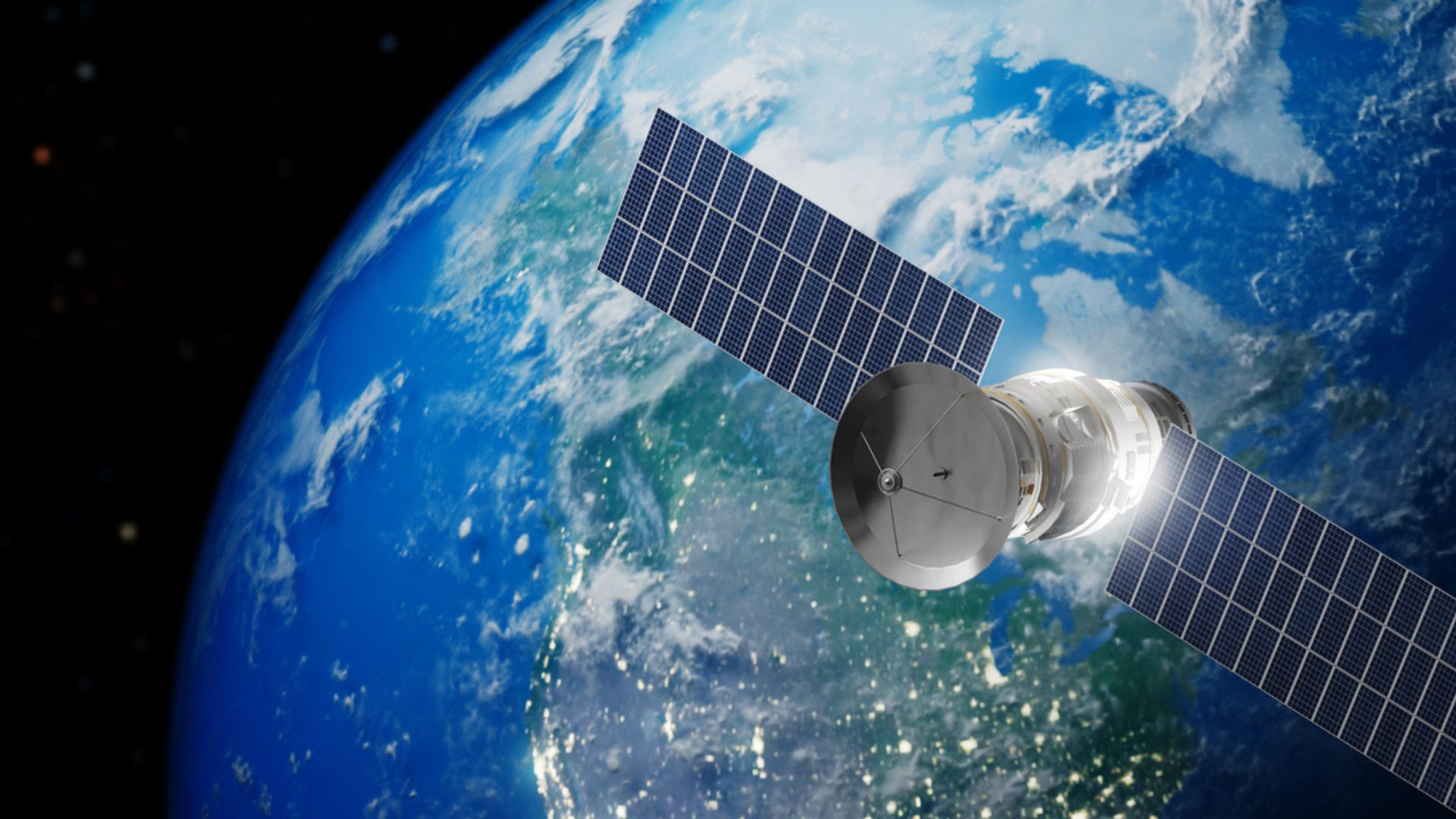
Each planned Orbital satellite would act as a high-density server rack powered by a 100-kilowatt solar array, with solar arrays and radiators spanning roughly 100 meters and spacecraft dry mass between 1.5 and 2.5 metric tons. The constellation would live in sun-synchronous orbits between 500 and 850 kilometers, harvesting continuous sunlight and rejecting waste heat directly into the vacuum. At full 10 GW scale the fleet would match the total new capacity the U.S. power grid added last year.
From e-scooter founder to space compute
Orbital was founded by Euwyn Poon, who previously scaled dockless e-scooter startup Spin and sold it to Ford. Poon transitioned to space after buying an NVIDIA GPU to rent on Earth and running into a wall of power constraints. The company emerged from Andreessen Horowitz's Speedrun accelerator earlier this year with a $5 million pre-seed round, and it plans a single-GPU demonstration payload on a SpaceX Falcon 9 in 2027 to test how Nvidia chips hold up to space radiation. A first purpose-built satellite, Orbital-1, is targeted for 2028.
Joining a crowded orbital data center race
Orbital lands in a race that already includes Muon Space's Condor-Ultra platform and Cowboy Space, whose $275 million Series B is aimed at the same market. SpaceX has separately filed for a one-million-satellite Starmind megaconstellation with the FCC, while critics including OpenAI CEO Sam Altman have called the concept "ridiculous" given radiation, cooling and space-debris risks. The FCC has yet to rule on any of the requests.
Reporting based on coverage from SpaceNews, Interesting Engineering, TechCrunch and Orbital's press materials.