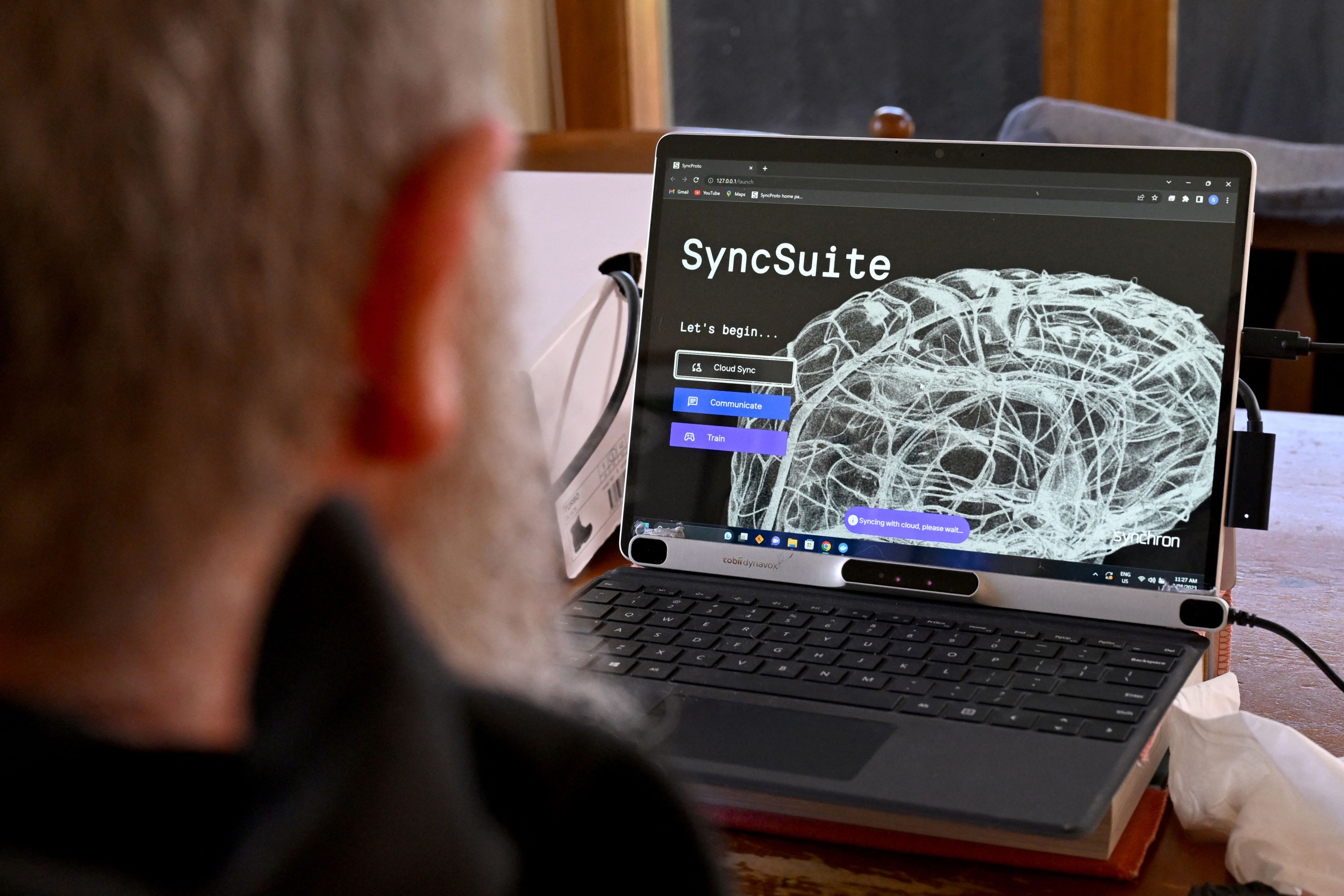
Synchron is moving the Stentrode brain-computer interface into the first pivotal clinical trial of a permanently implanted BCI in the United States this year, the company said, taking the next step toward the first ever premarket approval filing for an implanted BCI.
$200M Series D Underwrites The Pivotal
Synchron raised $200 million in a Series D announced on 6 November 2025 — led by Double Point Ventures with backing from ARCH Ventures, Khosla Ventures, Bezos Expeditions and new investors including Australia's National Reconstruction Fund, the Qatar Investment Authority, K5 Global, Protocol Labs and IQT. The capital funds the 2026 pivotal trial, plus commercial-launch preparation for the first-generation Stentrode, the company said.
The Stentrode is an endovascular electrode array — a stent-like mesh threaded through a blood vessel on a catheter and lodged in a vein next to the motor cortex. No part of the skull is removed. Synchron's first-generation device carries 16 electrodes against the 1,024 electrodes on Neuralink's N1 implant, a deliberate trade-off: lower signal fidelity in exchange for a procedure built on routine interventional techniques performed millions of times each year.

From Six-Patient Safety Win To Pivotal Enrolment
Synchron's regulatory standing rests on the COMMAND study, the first IDE trial of a chronically implanted BCI in the US, built on a Breakthrough Device designation granted by the FDA in August 2020. In results announced 30 September 2024, all six COMMAND patients met the primary safety endpoint across 12 months with no serious adverse events involving the brain or vasculature. The pivotal trial is meant to lift those feasibility results into the efficacy-at-scale evidence the FDA requires for a PMA filing.
Apple BCI HID And NVIDIA Holoscan Inside The Stack
The 16-electrode constraint places extra weight on the decoding stack. Synchron's neural decoding runs on NVIDIA's Holoscan edge-computing platform to minimise the lag between thought and action, and in March 2025 the company unveiled Chiral, a 'cognitive AI brain foundation model' trained on large-scale de-identified human neural data and aimed at moving BCI decoding from per-user supervised learning toward self-supervised generalisation.
On the user side, Synchron in May 2025 became the first BCI maker to integrate natively with Apple's BCI Human Interface Device (BCI HID) protocol — meaning the Stentrode registers with iOS as its own class of input device. An August 2025 demonstration showed ALS patient Mark Jackson navigating an iPad, composing text and opening apps by thought alone, without any custom per-app integration.
Racing Neuralink And Precision Neuroscience
The pivotal trial puts Synchron in direct competition with Neuralink, whose first patient closed the Boston Robotics Summit with a live neural demo, and with Precision Neuroscience, whose thin-film cortical array is also progressing through FDA. Synchron's pitch is narrower: it holds the first IDE for a chronically implanted BCI, and says a successful pivotal would let it file the first PMA for such a device. Whether it crosses the FDA finish line first will be decided over 2026 and the years that follow.
Reporting based on coverage from Tech Times, MedTech Dive and Synchron press materials.