Alsym and ERITY Sign 9 GWh Sodium-Ion Mining Battery Deal
Alsym Energy and ERITY signed a 9 GWh strategic partnership on July 1, 2026 to deploy non-flammable sodium-ion batteries across mines in Tanzania, Saudi Arabia, Finland and the United States.
Key Takeaways
Alsym Energy and mining consultancy ERITY signed a 9 GWh strategic partnership on July 1, 2026 to deploy non-flammable, water-based sodium-ion batteries at mines in Tanzania, Saudi Arabia, Finland and the United States.
The deal is split into two tranches: 3 GWh deployed between 2027 and 2029, with the remaining 6 GWh by 2035.
First deployments will run at projects operated by Volt Resources and Resource Mineral International, covering mine-site microgrids, mobile equipment electrification, mineral processing, peak-shaving and mobile data centres.
The agreement targets diesel displacement in mining, an industry that burns roughly 125 billion litres of diesel per year.
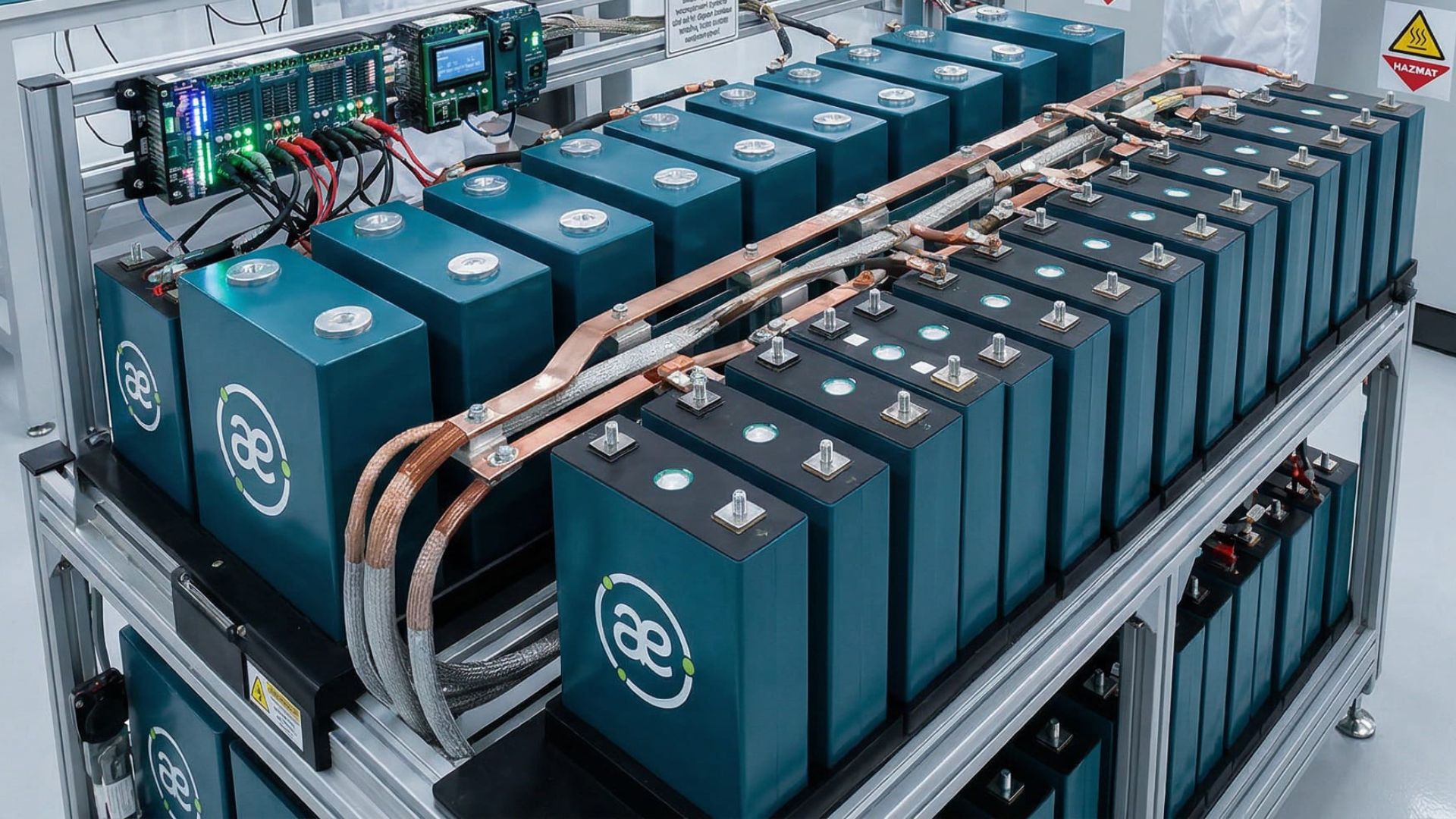
Alsym pitches its Na-Series cells as a lower-cost, thermally stable alternative to lithium iron phosphate, with no fire suppression needs, no cobalt and no lithium supply exposure.
Kaan Tınmaz
Alsym Energy and mining-industry consultancy ERITY announced a 9 gigawatt-hour strategic relationship on July 1, targeting some of the world’s hardest-to-decarbonise sites: remote mines still burning diesel. Framed as one of the largest single sodium-ion deals to date, the agreement will roll out Alsym’s non-flammable water-based batteries at operations in Tanzania, Saudi Arabia, Finland and the United States.
A 9 GWh framework aimed at diesel
The deal is structured in two tranches: 3 GWh scheduled for deployment between 2027 and 2029, and the remaining 6 GWh by 2035. First applications will span mine-site microgrids, mobile equipment electrification, mineral processing, peak-shaving and mobile data centres. Alsym said its Na-Series cells were engineered specifically for the wide temperature ranges and safety envelopes required at remote sites where a lithium-ion thermal event is unmanageable.
Volt Resources tapped as first customer
The initial deployments will run across projects operated by Volt Resources and Resource Mineral International, ERITY said, with a broader pipeline covering iron ore, copper and critical-minerals sites. The global mining industry consumes roughly 125 billion litres of diesel a year, and Alsym is pitching sodium-ion as a lower-cost, thermally stable alternative to lithium iron phosphate for the sector.
On July 1, 2026, Alsym Energy and mining consultancy ERITY announced a 9 GWh strategic partnership to deploy Alsym's non-flammable, water-based sodium-ion batteries at mines in Tanzania, Saudi Arabia, Finland and the United States, described as one of the largest single sodium-ion deals to date.
What is the deployment timeline for the 9 GWh deal?
The agreement is structured in two tranches: 3 GWh scheduled for deployment between 2027 and 2029, and the remaining 6 GWh by 2035.
Who are the first customers for the batteries?
Initial deployments will run across projects operated by Volt Resources and Resource Mineral International, with a broader pipeline covering iron ore, copper and critical-minerals sites.
Why use sodium-ion instead of lithium-ion at remote mines?
Alsym's Na-Series cells are engineered for wide temperature ranges and strict safety envelopes at remote sites where a lithium-ion thermal event is unmanageable. Sodium-ion requires no fire suppression, contains no cobalt, avoids lithium supply exposure, and is pitched as lower-cost than lithium iron phosphate.