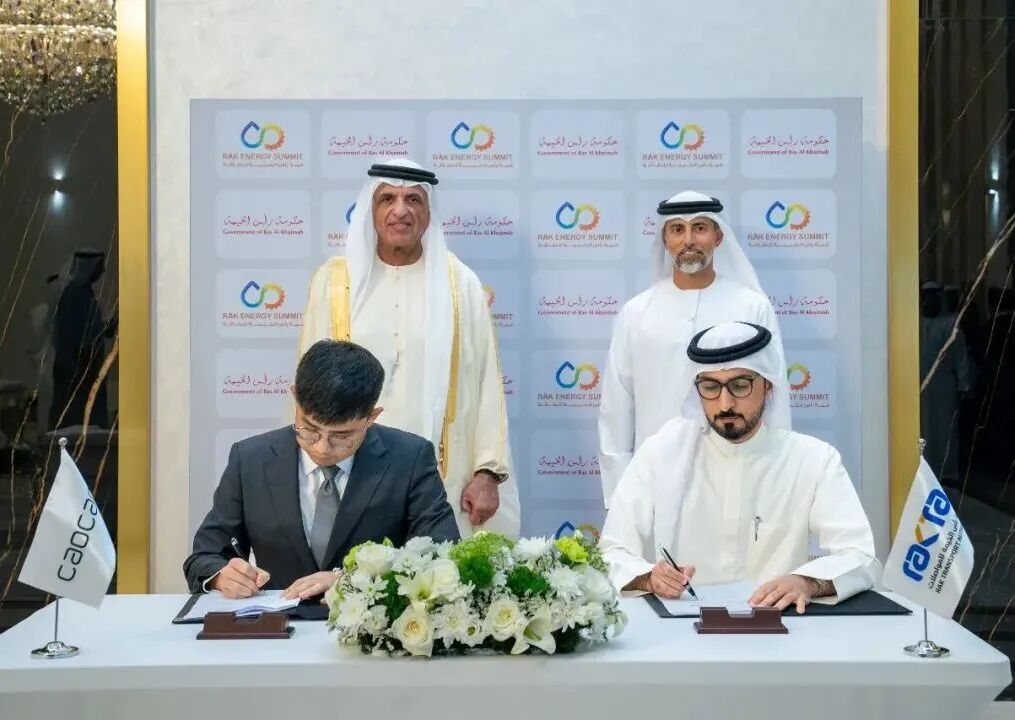
CaoCao Inc., the ride-hailing and autonomous-vehicle arm of China's Geely Holding Group, signed a memorandum of understanding with the Ras Al Khaimah Transport Authority (RAKTA) on November 25 to test and pilot robotaxi services in the emirate. CaoCao will supply autonomous passenger and logistics vehicles and handle their operations and maintenance, while working alongside LUMO, a mobility operator under the UAE's K2 Group, to get the project running on the ground, according to Gasgoo.
The deal makes Ras Al Khaimah the third UAE emirate where CaoCao has struck a formal cooperation agreement, building on earlier work tied to K2 Group's home base of Abu Dhabi. The pilot covers passenger shuttle services in designated zones, with RAKTA handling local compliance, safety clearance and site access, and findings from the trial expected to shape any follow-on commercial deployment.
Why is the UAE suddenly a robotaxi testing ground?
The Gulf state has spent the past two years courting autonomous-vehicle operators with light-touch regulation, government-backed mobility companies and a willingness to let foreign firms test on public roads. RAKTA has already hosted robotaxi and robobus pilots from WeRide, meaning CaoCao is entering an emirate where regulators already have experience signing off on driverless operations.
For Chinese autonomous-driving companies facing a crowded, margin-thin home market, the UAE offers government partners willing to fund infrastructure and fast-track approvals in exchange for being an early showcase market. K2 Group, which is state-owned, has positioned itself as the connective tissue between Chinese AV suppliers and emirate-level transport authorities, which is why LUMO shows up in the RAKTA deal as the operator actually running vehicles day to day.
How does CaoCao's robotaxi push compare to its rivals?
CaoCao is not the first Chinese mobility company into the UAE: WeRide and Pony.ai have both been expanding regional pilots, and WeRide specifically already operates in Ras Al Khaimah. What differentiates CaoCao is its direct line to Geely's vehicle manufacturing, which lets it offer purpose-built autonomous passenger and logistics vehicles rather than retrofitted consumer cars.
The company's broader ambition, publicly described as its RoboX strategy, targets deploying both robotaxis and autonomous delivery vans globally by the end of the decade. The RAKTA pilot is a small but telling step toward that goal: a government-anchored testbed in a market with few existing operators, ahead of a planned ramp in purpose-built autonomous vehicle production.
No fleet size or launch date for actual passenger service has been disclosed yet. The MoU is non-binding, and the next milestone will be whether CaoCao and RAKTA convert testing into a dated commercial pilot, as WeRide has already done elsewhere in the emirate.