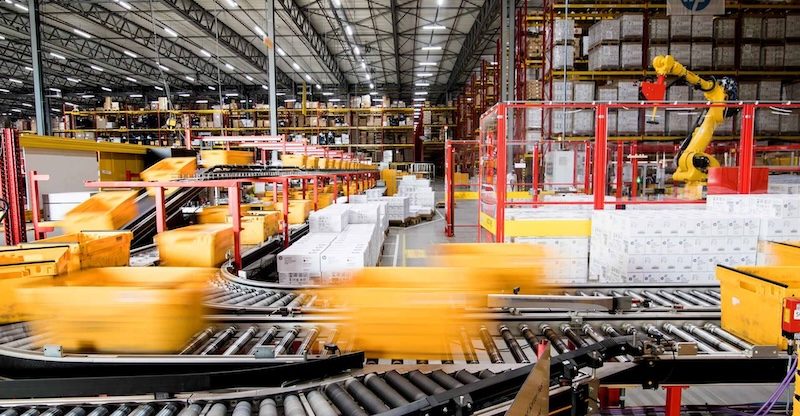
Inside a DHL Supply Chain warehouse, a robot that once needed a fixed script for every task is starting to improvise. DHL Supply Chain confirmed on November 15, 2026, that it is piloting adaptive, AI-powered robots alongside new orchestration software designed to coordinate machines, employees and operational data in real time across its global logistics network.
The move builds on a robotics fleet that already numbers more than 9,000 units worldwide, a base DHL says has completed over 1.5 billion robotic picks and 10 million case unloads using Boston Dynamics' Stretch robot. The company has also logged more than 500 analytics and AI implementations in 2026 alone, part of a running total of over 1,400 across its network, with 2.5 million minutes of conversational AI interactions supporting warehouse staff.
Why Orchestration, Not Just More Robots
DHL's pitch is less about adding machines and more about making the machines it already has talk to each other. The new orchestration layer is designed to connect autonomous mobile robots, packaging equipment and warehouse management systems so that tasks shift automatically as order volumes, staffing levels or inventory locations change during a shift.
Tim Tetzlaff, DHL Supply Chain's global head of digital transformation, framed the strategy as a combination rather than a replacement. "Digital and physical AI are complementary forces," he said, adding that together with human workers "they create the most efficient, flexible and resilient end-to-end supply chain." He also described DHL's near-term focus as scaling proven robotics across more sites while moving adaptive, next-generation robotics from pilot programs into live operations.
That distinction matters in an industry where plenty of robots work well in demos but stall during the messy transition to daily operations. DHL says more than 95% of its warehouses already use some form of advanced digitalization, which gives it a large installed base to test orchestration software against real, varying conditions rather than a single showcase site.
Where This Fits in the Warehouse Robotics Race
DHL's move lands alongside a broader push by logistics giants to layer AI coordination on top of existing robot fleets rather than simply buying more hardware. Rivals including large third-party logistics providers and retail-owned warehouse networks have been experimenting with similar orchestration concepts, betting that the next competitive edge comes from software that routes work intelligently, not from adding robots to idle corners of a warehouse.
The economics back up that bet: with DHL's fleet already topping 9,000 robots, incremental efficiency gains from better coordination can outweigh the cost of new units. If adaptive robots can reliably handle variation, such as a differently shaped package or a shifted shelf location, without reprogramming, it reduces the engineering overhead that has slowed robotics adoption in high-mix, high-volume warehouses.
DHL has not set a public timeline for when adaptive robotics and orchestration will move from pilot sites to full-scale deployment, but the company's stated intent is to keep expanding both in tandem over the coming year, according to Robotics and Automation News.