Space Force Adds Impulse Space, Relativity Federal to $5.6B NSSL Launch Roster
The Space Force has added Impulse Space and Relativity Federal to its $5.6 billion NSSL Phase 3 Lane 1 launch program, expanding competition for lower-risk national-security missions alongside SpaceX, ULA and Blue Origin.
Key Takeaways
The U.S. Space Force added Impulse Space and Relativity Federal to the $5.6 billion NSSL Phase 3 Lane 1 IDIQ contract, announced July 7 by Space Systems Command.
The two firms join incumbents SpaceX, United Launch Alliance and Blue Origin, giving the Pentagon five eligible providers for lower-risk national-security launch task orders.
Onboarding does not guarantee launches; it makes the companies eligible to bid on Lane 1 task orders, with the contract reopened to new entrants annually.
Impulse Space, founded by ex-SpaceX propulsion chief Tom Mueller, has flown its Mira vehicle twice, raised a $500M Series D, and plans a 2026 debut of its Helios high-energy vehicle.
Relativity Space aims to fly its partially reusable, 3D-printed Terran R (up to 33,500 kg to LEO expendable) in 2026 and cites over $3 billion in launch service agreements.
Kaan Tınmaz
The U.S. Space Force has added Impulse Space and Relativity Federal to its multiple-award National Security Space Launch (NSSL) Phase 3 Lane 1 contract, expanding competition for lower-priority national-security missions on the $5.6 billion IDIQ vehicle.
Two more launch providers, one broader pool
Under a July 7 announcement from Space Systems Command, Impulse Space and Relativity Federal — Relativity Space's federal subsidiary — join incumbents SpaceX, United Launch Alliance and Blue Origin as authorized bidders for Lane 1 task orders. The lane covers commercial-capable vehicles carrying more risk-tolerant NSS payloads. Being onboarded to the IDIQ does not guarantee launch business but makes the two companies eligible to compete for task orders through the life of the contract, which the Space Force plans to reopen annually.
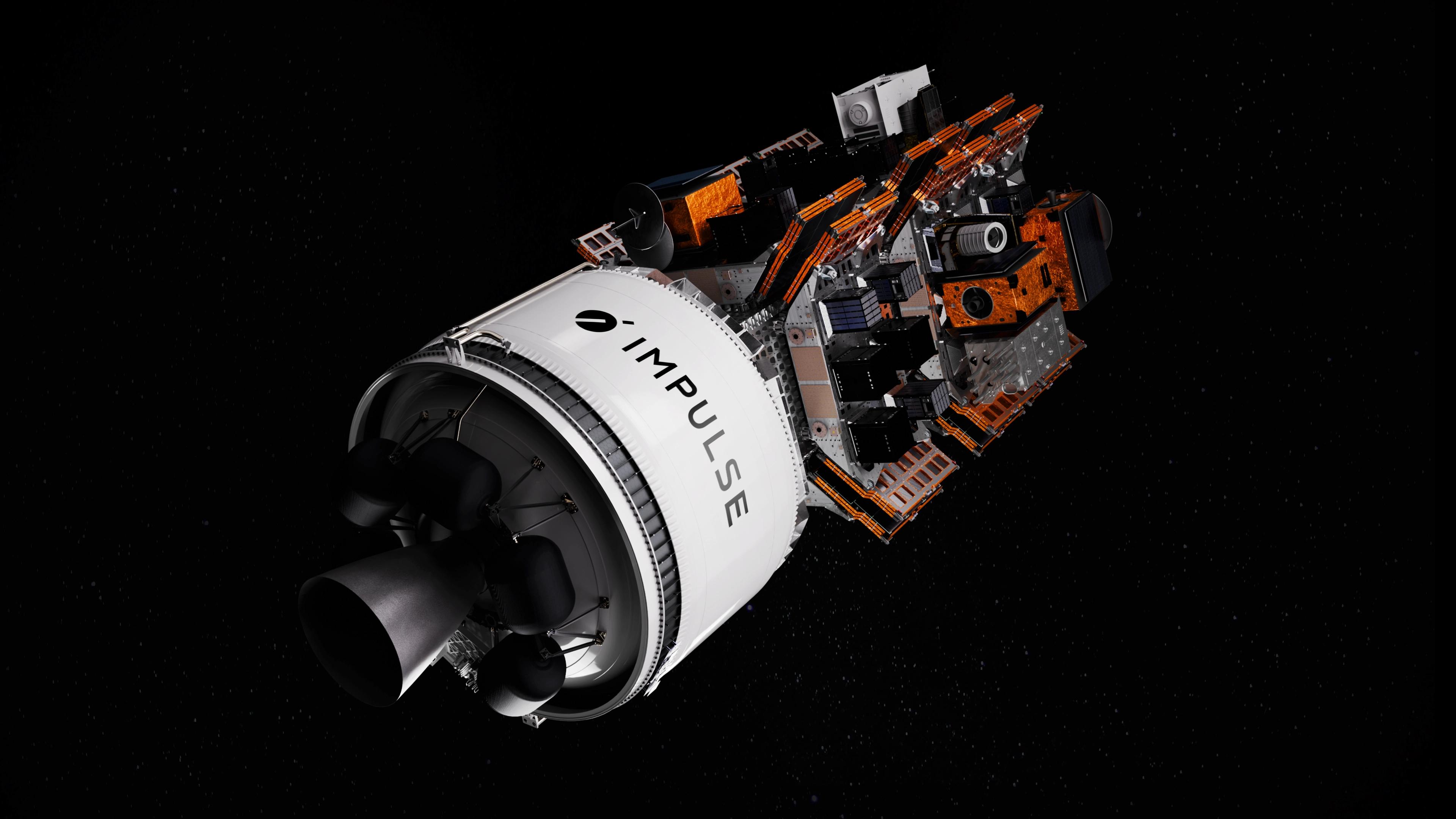
Impulse Space's kick-stage bet
Impulse Space, founded by former SpaceX propulsion chief Tom Mueller, has flown its Mira orbital transfer vehicle on two LEO Express missions and is preparing its high-energy Helios vehicle for a maiden flight in 2026. The company recently secured a $500M Series D and has signed three SpaceX Falcon 9 rideshare deals to seed its national-security launch business.
Relativity's Terran R comes online
Relativity Space is racing to fly its partially reusable, 3D-printed Terran R rocket for the first time later in 2026, targeting up to 33,500 kg to LEO in expendable configuration. The company says it has more than $3 billion in launch service agreements across commercial and government customers, and the Space Force nod validates its federal-focused Relativity Federal arm as it prepares to compete for missions traditionally locked up by the incumbents.
Why Lane 1 matters
Lane 1 is the Space Force's way of pushing commercial rideshare and small-lift vehicles into the national-security portfolio without saddling emerging providers with the certification bar of Lane 2's heavy-lift missions. With the two new entrants, the Pentagon now has five options for lower-risk NSSL payloads, echoing the broader push to diversify the launch base seen in recent moves like the SES Space & Defense Ku-band BPA and SpaceX's Transporter-17 rideshare.
Reporting based on coverage from SpaceNews, Aviation Week and GovConWire.
Lane 1 is the Space Force's $5.6 billion multiple-award IDIQ contract covering commercial-capable launch vehicles carrying more risk-tolerant national-security payloads, avoiding the heavier certification requirements of Lane 2's heavy-lift missions.
Does joining Lane 1 guarantee Impulse Space and Relativity Federal launch contracts?
No. Being onboarded to the IDIQ only makes them eligible to compete for individual task orders over the life of the contract, which the Space Force plans to reopen to new entrants annually.
Which companies can now compete for Lane 1 missions?
Five providers: SpaceX, United Launch Alliance, Blue Origin, and new additions Impulse Space and Relativity Federal, Relativity Space's federal subsidiary.
What rockets will the new entrants use?
Impulse Space has flown its Mira orbital transfer vehicle on two LEO Express missions and plans a 2026 maiden flight of its high-energy Helios vehicle. Relativity is targeting a first flight of its partially reusable, 3D-printed Terran R in 2026, with up to 33,500 kg to LEO in expendable configuration.