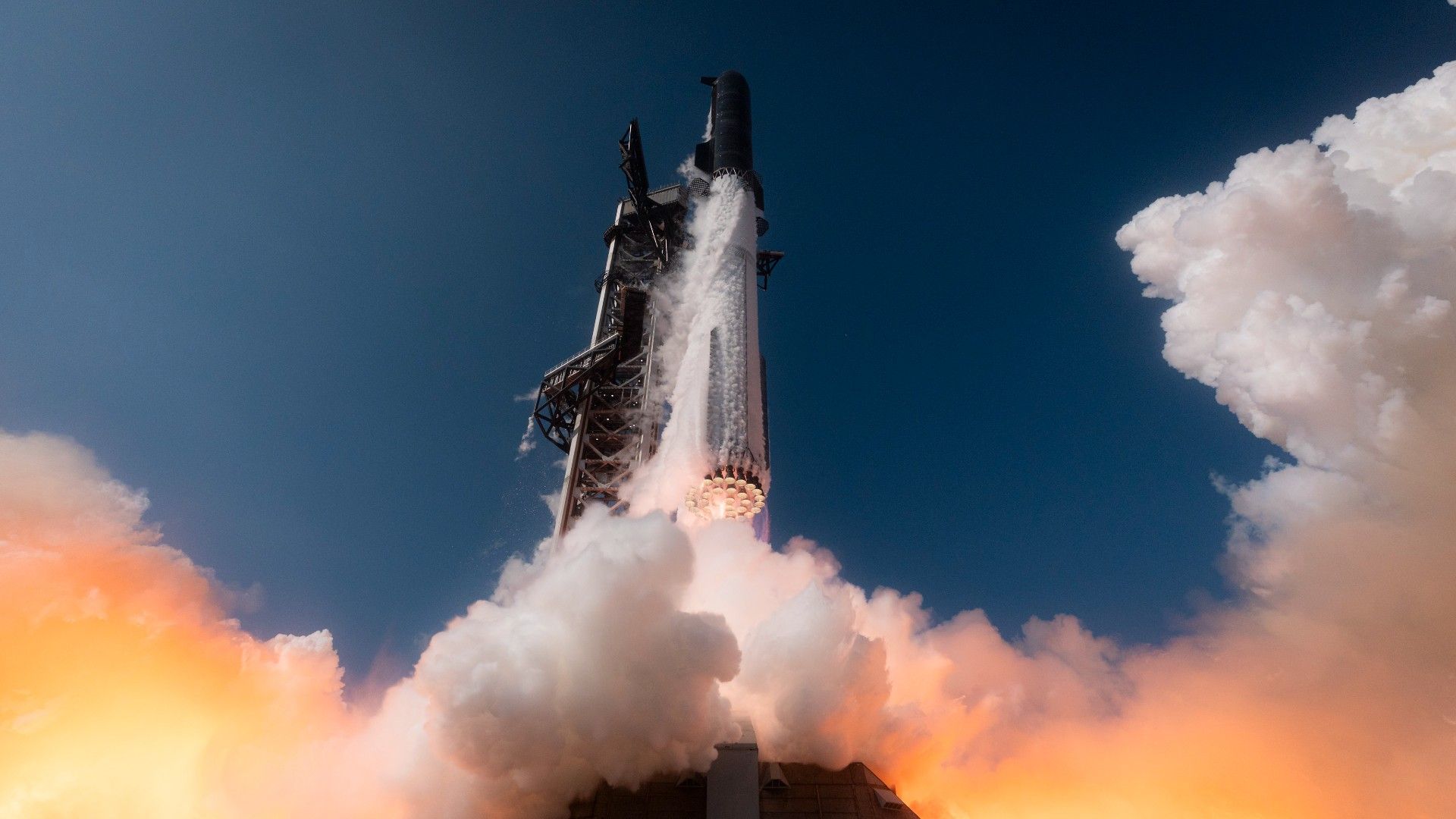
SpaceX is now firmly targeting Thursday, July 16 for the 13th integrated flight test of Starship, with a 90-minute window opening at 6:45 p.m. EDT from the Starbase site in South Texas. The Federal Aviation Administration cleared the launch on July 13, closing its investigation into the mishaps of Flight 12 and signing off on the corrective actions SpaceX has folded into the vehicle.
What broke on Flight 12
Flight 12, the debut of the taller Version 3 Starship in May, was largely successful but flagged two problems SpaceX had to answer for. A sequence change in the Ship's engines during hot staging left the Super Heavy 90 degrees out of orientation, and five of the booster's 33 Raptor 3 engines failed to relight during the boostback burn, sending the stage past its planned Gulf of Mexico splashdown zone. On the Ship, one of the three vacuum-optimized Raptors was lost 40 seconds after stage separation, forcing SpaceX to skip an in-space engine relight test.
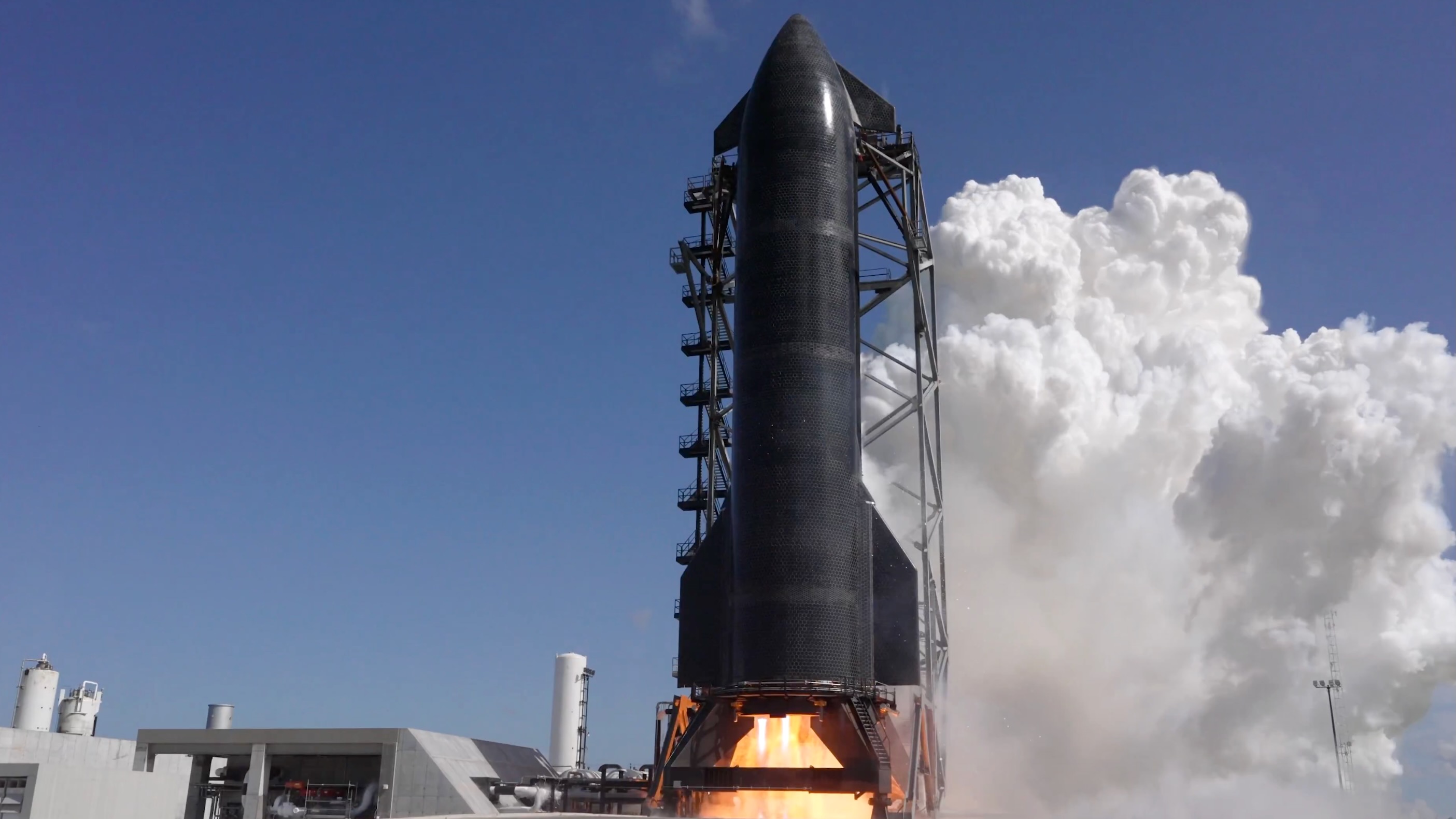
SpaceX says a modified startup sequence for the Ship should tolerate more timing variability, and Booster 20 carries hardware changes to improve engine relight reliability along with updated engine alarms and abort logic that better match multi-engine flight conditions.
Starlink V3 gets its first ride
Flight 13 will carry the first 20 functional Starlink V3 satellites — the higher-capacity generation SpaceX plans to eventually deploy at up to 100,000 units. Six of those will carry inspection cameras aimed back at Starship's heat shield, extending the same tile-imaging campaign that Flight 12 introduced with Starlink mass simulators. All 20 satellites will burn up on reentry roughly 20 minutes after deployment because of Starship's suborbital trajectory.
What a clean flight would unlock
If Super Heavy nails a full boostback burn and soft Gulf splashdown and Ship completes its Raptor relight and Indian Ocean touchdown, SpaceX is expected to attempt the first V3 booster catch back at Starbase on Flight 14. The company still has orbital insertion, on-orbit rendezvous and cryogenic propellant transfer left to demonstrate before Starship can support NASA's Artemis III human lunar landing, currently penciled in for 2027. Recent activity around SpaceX has been relentless — from a Falcon 9 booster hitting its 600th flight to the earlier 33-engine static fire on Booster 20 that cleared the way for this launch.
Reporting based on coverage from Space.com, SpaceX and the Federal Aviation Administration.