
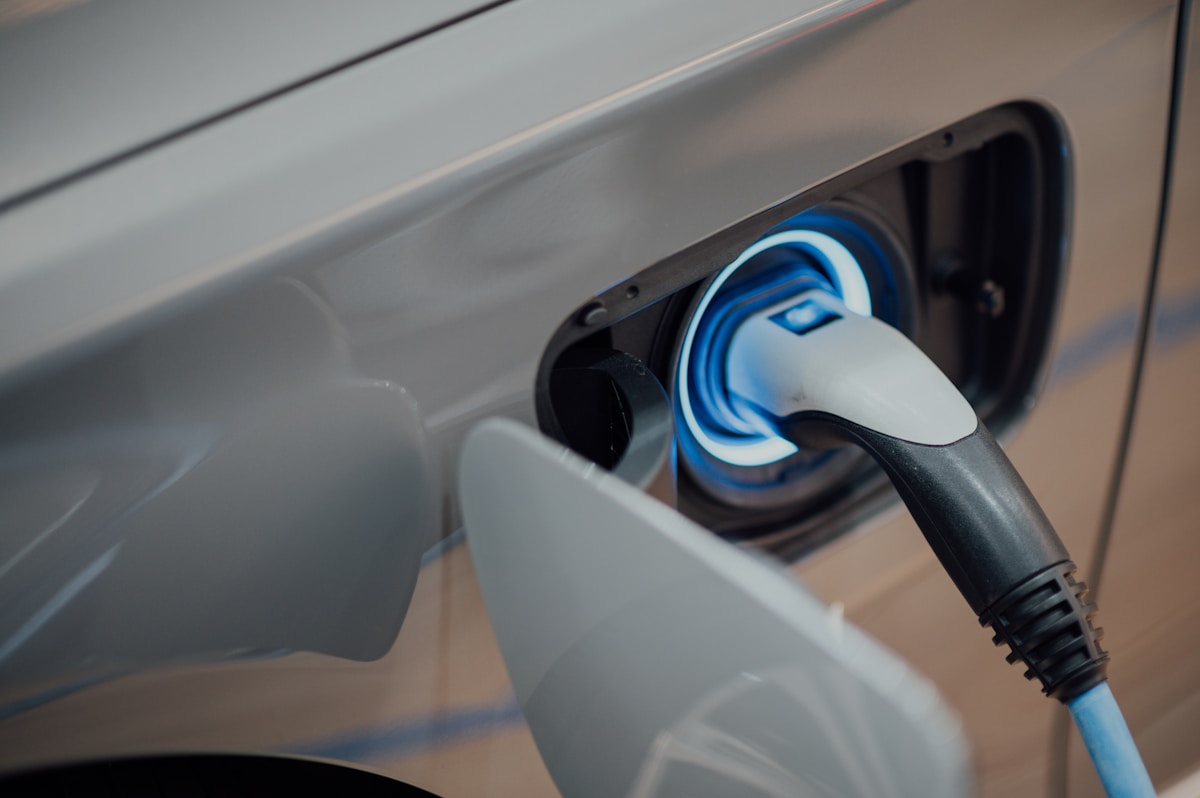
Stellantis and Factorial Energy have completed the first automotive integration of solid-state battery cells in North America, fitting Factorial's FEST cells into a Dodge Charger Daytona development vehicle and starting an on-road validation program designed to verify performance, safety and reliability under real-world conditions.
From lab cells to a development vehicle
Announced June 11, 2026, the milestone moves the joint program past component-level testing and into vehicle-scale validation. In 2025, the partners demonstrated FEST cells with energy densities of 375 Wh/kg, ultra-fast charging from 15% to 90% in 18 minutes and operating windows from minus 30°C to plus 45°C. Translating those results to a production-representative pack required a patented mechanical architecture designed by Stellantis to handle the unique stack pressures and cycling characteristics of solid-state cells.
"Battery development is a balancing act," said Ned Curic, Stellantis Chief Engineering and Technology Officer. "This milestone shows we are bringing solid-state batteries closer to our customers with the potential for longer range, faster charging and lower costs."
Why the Dodge Charger Daytona matters
The Charger Daytona is built on Stellantis' STLA Large platform, the same flexible electric architecture underpinning its premium EV roadmap. Validating solid-state cells in a high-performance flagship gives Stellantis early signal on whether FEST can support both range and discharge-intensive duty cycles. Factorial CEO Siyu Huang called the partnership "exactly the kind of deep, full-stack collaboration that solid-state has always required."
The launch follows Factorial's recent Nasdaq debut and lands amid a broader race to commercialize solid-state. CATL's Super Tech Day highlighted competing chemistries this week, while GM is betting on sodium-ion for stationary use.
Next stage: calibration and durability
With the integration complete, the joint team has started a road testing and calibration program that will document pack behavior across charging profiles, driving conditions and ambient temperatures. The companies say this is the first vehicle in a previously announced multi-stage development vehicle program.
Reporting based on coverage from Stellantis Media and Factorial Energy.