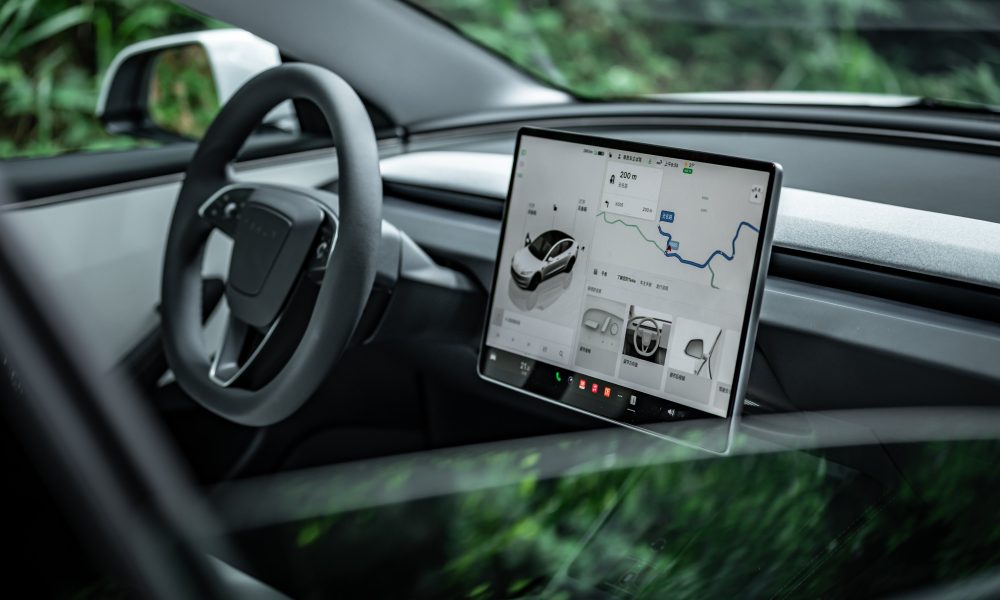
Tesla's Full Self-Driving (Supervised) software has been cleared in Belgium, with Flemish Minister of Mobility Annick De Ridder signing the national approval on June 11, 2026. The decision makes Belgium the fifth EU member state to authorize FSD in roughly two months, just one day after Denmark's go-ahead.
How the EU mutual-recognition shortcut is working
Belgium joins the Netherlands, Lithuania, Estonia and Denmark on the list of countries that have accepted the provisional type approval RDW, the Dutch vehicle authority, issued on April 10. Each country technically conducts its own technical review of Tesla's documentation, but the path bypasses the slower EU-wide route through the Technical Committee on Motor Vehicles. De Ridder said her department had signed off and was forwarding the file to Belgium's homologation department for final administrative processing, with a rollout to Belgian Tesla owners expected within days.

Hardware 4, FSD v14, and a EUR99 subscription
The European rollout is restricted to Hardware 4 vehicles sold from 2023 onward and runs a European-tuned branch of Tesla's FSD v14 software stack. The subscription is priced at EUR99 per month, with a discounted EUR49 rate for owners who previously bought Enhanced Autopilot. With Mercedes-Benz pausing Drive Pilot on the upcoming S-Class and EQS facelifts and BMW discontinuing its Personal Pilot L3 system, Tesla's Level 2 supervised system has effectively become the most widely available driver-assistance offering on European public roads.
EU-wide vote still the wild card
The full EU recognition track remains stalled. RDW presented its case to the Technical Committee on Motor Vehicles on May 5, but the committee's late-June meeting only allocates time for continued discussion rather than a vote. Industry trackers now place the earliest realistic bloc-wide vote in October or December, with full EU recognition potentially slipping into early 2027. A qualified majority requires at least 15 of 27 member states representing 65% of the EU population, and Nordic opposition could complicate that math. If the European Commission ultimately rejects FSD Supervised, the Dutch provisional approval becomes invalid after six months and every national clearance falls with it.
The European race also unfolds alongside Tesla's robotaxi push in the United States. Bloomberg reported the company's Texas robotaxi fleet remains small relative to the bullish targets Elon Musk set in 2025, while the company expanded unsupervised robotaxi service in metro Austin earlier this month. Belgium and Greece are reportedly the next EU candidates to move on FSD, while Ireland, Germany, France, Italy and Spain are still reviewing or testing.
Reporting based on coverage from Teslarati and Electrek.