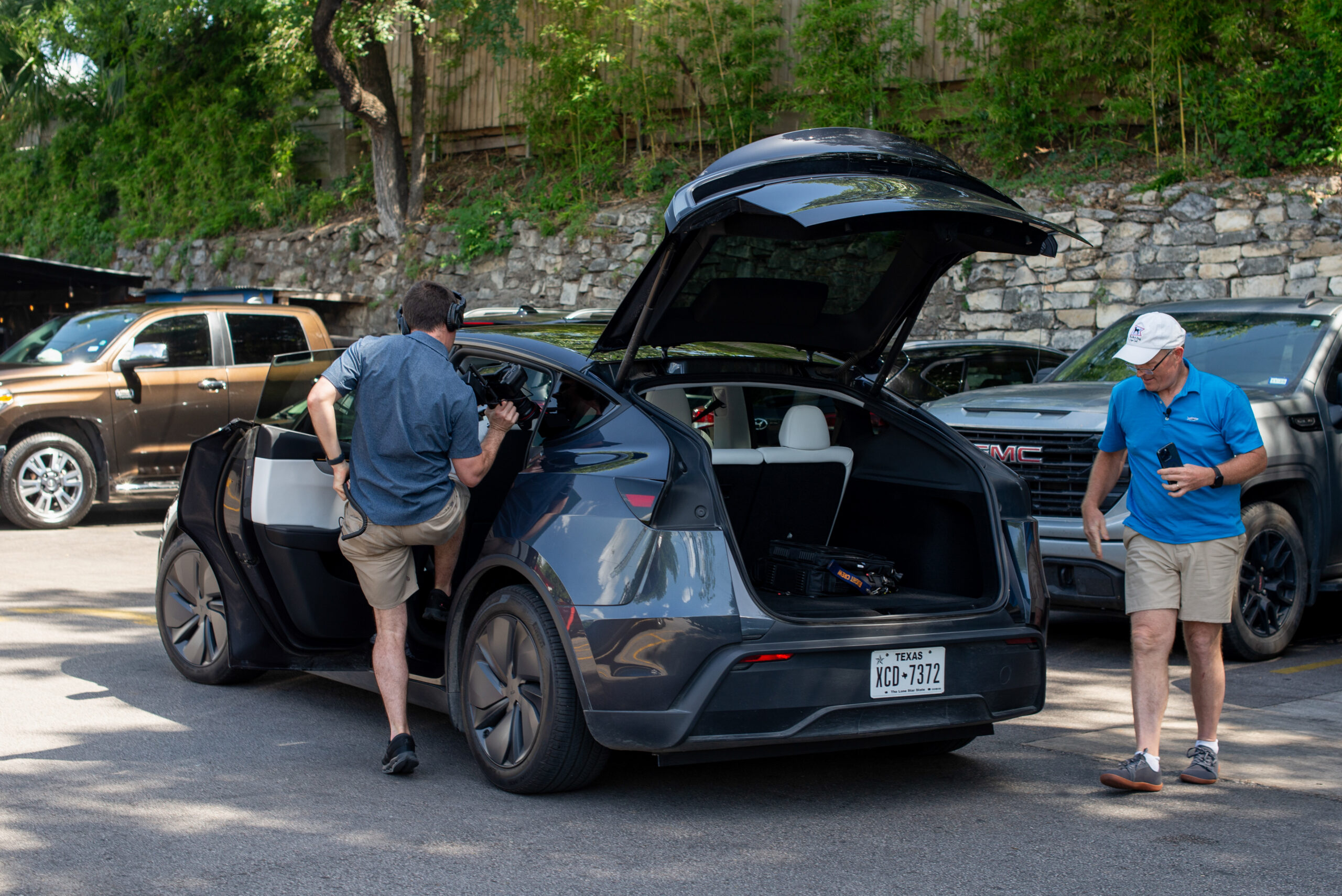
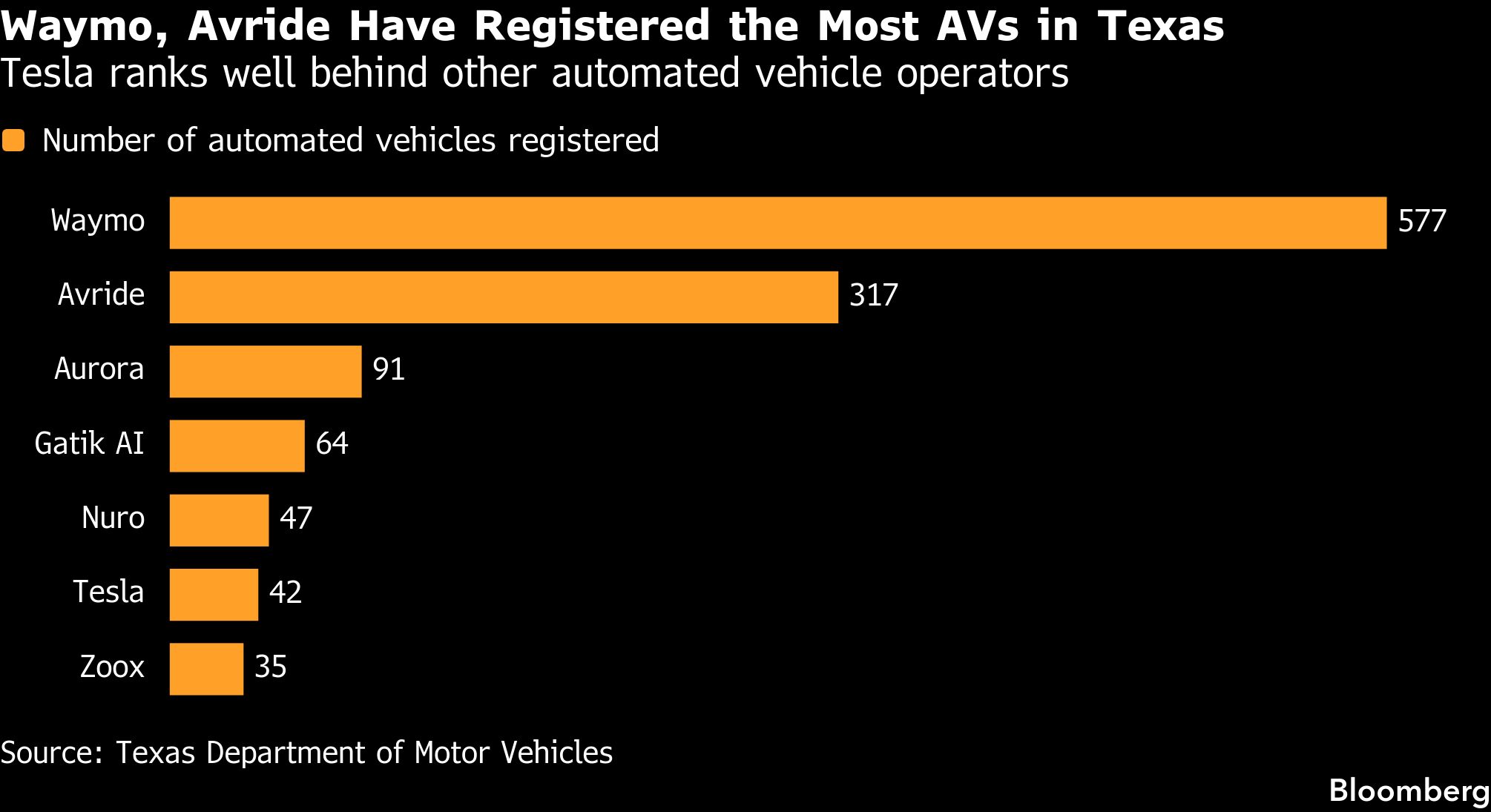
Tesla's much-hyped Texas robotaxi network is, for now, a fraction of the size of Waymo's. New filings the company submitted to the Texas Department of Motor Vehicles under rules that took effect May 28 show Tesla operating just 42 robotaxis statewide — against 577 automated vehicles registered by Alphabet's Waymo, a roughly 13-to-1 gap that landed as the first hard count of either service in the state.
Texas Forces A First Look At Fleet Math
The disclosure was triggered by new Texas rules that require commercial operators of automated vehicles to provide the state with first-responder guidance and disclose the number of vehicles they run. Until last week, Texas oversight had been minimal — operators only had to insure vehicles, equip them with cameras and follow traffic law. The new DMV registry shows Waymo's fleet operating in Dallas, Houston, San Antonio and Austin, while Tesla's network — which began in Austin in June 2025 and recently expanded to Dallas and Houston — remains far smaller than Elon Musk's repeated public targets.
Robotaxis Are Central To Tesla's AI Pivot
Autonomous taxis are core to Musk's effort to reframe Tesla as an AI and robotics company rather than just an electric-vehicle maker. Last fall he forecast 500 robotaxis in Austin alone by year-end 2025, before scaling back those expectations. Tesla also runs a rideshare service in the San Francisco Bay Area, but lacks the approvals to operate fully driverless rides there. The company said in April it plans to expand its robotaxi service to five more cities, though Musk has warned the network is unlikely to drive meaningful revenue for Tesla this year.
What The Numbers Mean For The Robotaxi Race
For Waymo, the Texas disclosure is consistent with executives' aim of one million weekly rides by year-end. For Tesla, it adds quantitative pressure to a story that has been largely qualitative since launch. The disclosure also lands while rivals broaden the field: Uber recently committed close to $500 million to Nuro to deploy 35,000 Lucid robotaxis, and Wayve showed an NVIDIA-powered robotaxi prototype with Nissan for Uber trials. Texas's stricter reporting regime now gives policymakers, insurers and competitors a baseline they did not have before — and the next quarterly snapshot will show whether Tesla can close the fleet-scale gap or whether Waymo's lead widens further.
Reporting based on coverage from Insurance Journal and Bloomberg.