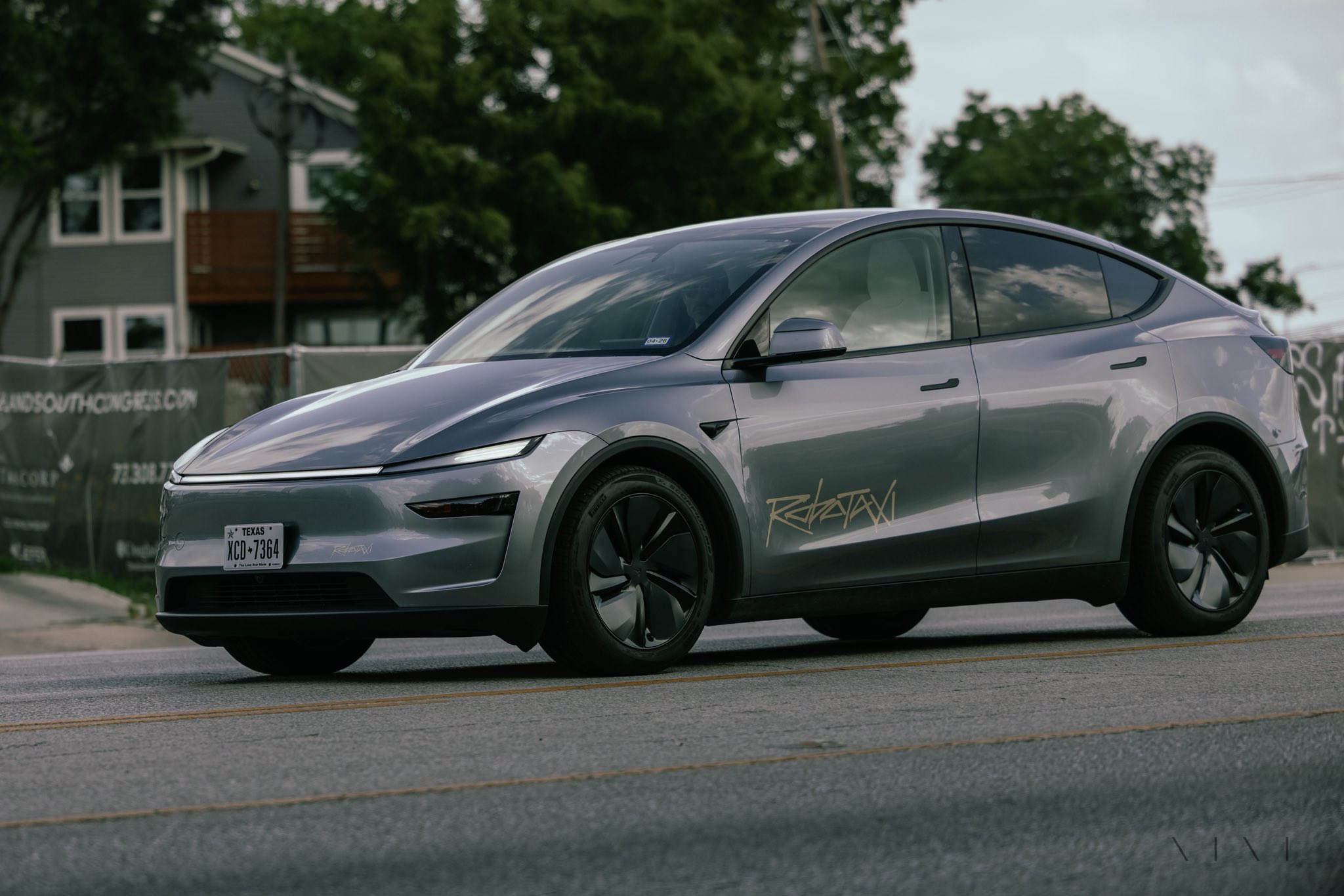
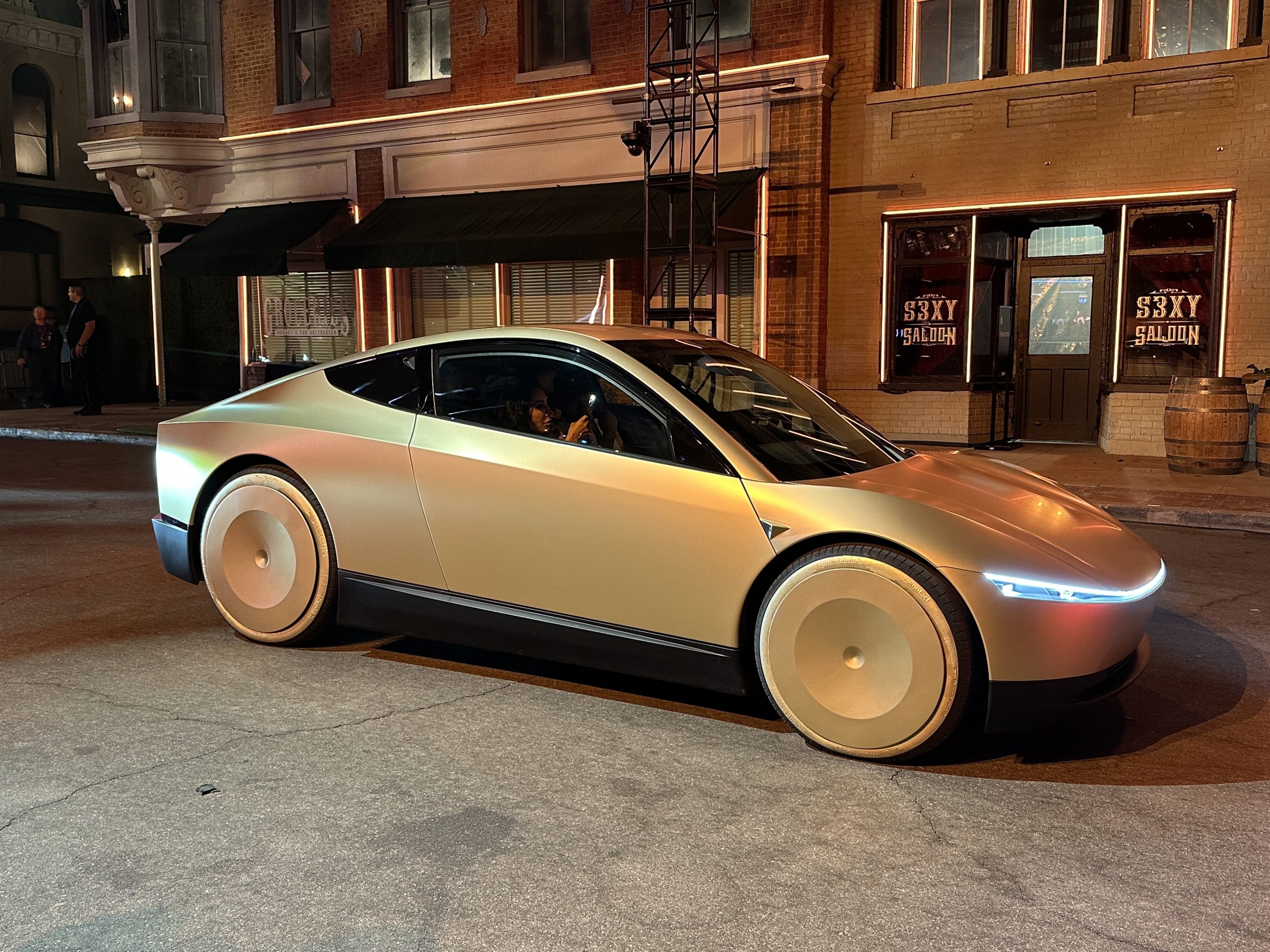
Tesla AI lead Ashok Elluswamy said 24-hour Robotaxi service is roughly a month away, tying the milestone to the next Full Self-Driving v15 module merging into the driverless stack. Elluswamy made the comment on X on September 4, one day after Tesla opened public Cybercab rides in Austin without a steering wheel or pedals, replying to a rider who asked when overnight trips would come.
What Elluswamy actually said
"Next month or so. The next tech to merge on the v15 plan will enable it," Elluswamy wrote, framing 24/7 operation as software-gated rather than fleet-gated. Tesla's paid Robotaxi network today runs from 6 a.m. to 10 p.m. seven days a week across Austin, Dallas, Houston, Miami, Orlando and Tampa — a 16-hour window that is shorter than the 6 a.m. to 2 a.m. schedule the company ran for much of the prior year and well short of the round-the-clock utilization robotaxi economics require.
Why v15 is the bottleneck
Tesla describes Full Self-Driving v15 as a step-change architecture with seven parallel improvement tracks and roughly ten times more parameters than earlier builds. Early v15 code already runs on the Robotaxi fleet and, by the company's own account, contains about 40 percent of the planned gains. By July 2026, Tesla's unsupervised fleet had logged more than 380,000 miles across six cities in two states, an operating record Elluswamy has repeatedly cited as evidence that the camera-only end-to-end neural network approach can scale without additional sensors. Overnight service would test that thesis in lower-light conditions and would materially raise vehicle utilization, one of the few unit-economics levers Tesla can still move without new hardware.
What still isn't clear
Elluswamy did not name the specific v15 feature enabling 24-hour rides, did not commit to a launch city, and did not say whether the change lands first on the purpose-built Cybercab or on the existing Model Y Robotaxi fleet. He also did not address dedicated depot charging, which Tesla has been quietly building in Austin, or how the NHTSA audit query opened this week into the Cybercab's self-certified FMVSS compliance might affect a broader overnight rollout.
Competitive pressure is real
The clock matters because rivals keep expanding. Waymo turned on driverless rides in San Diego, Tampa and Denver last week, taking its live footprint to 14 US cities, while Amazon's Zoox continues to test in Houston and San Diego. Waymo has been operating fully driverless around the clock in Phoenix for years; a Tesla move to 24/7 in October would close the last remaining schedule gap that gives Waymo a headline advantage on service hours per vehicle.
If v15's next module ships on Elluswamy's timetable, Tesla could flip the switch on overnight Cybercab and Model Y rides in at least one market in October 2026 — the first time its paid Robotaxi service would run whenever demand exists, including the late-night hours competitors have owned to date.
Reporting based on coverage from Teslarati, TeslaNorth and CNBC.