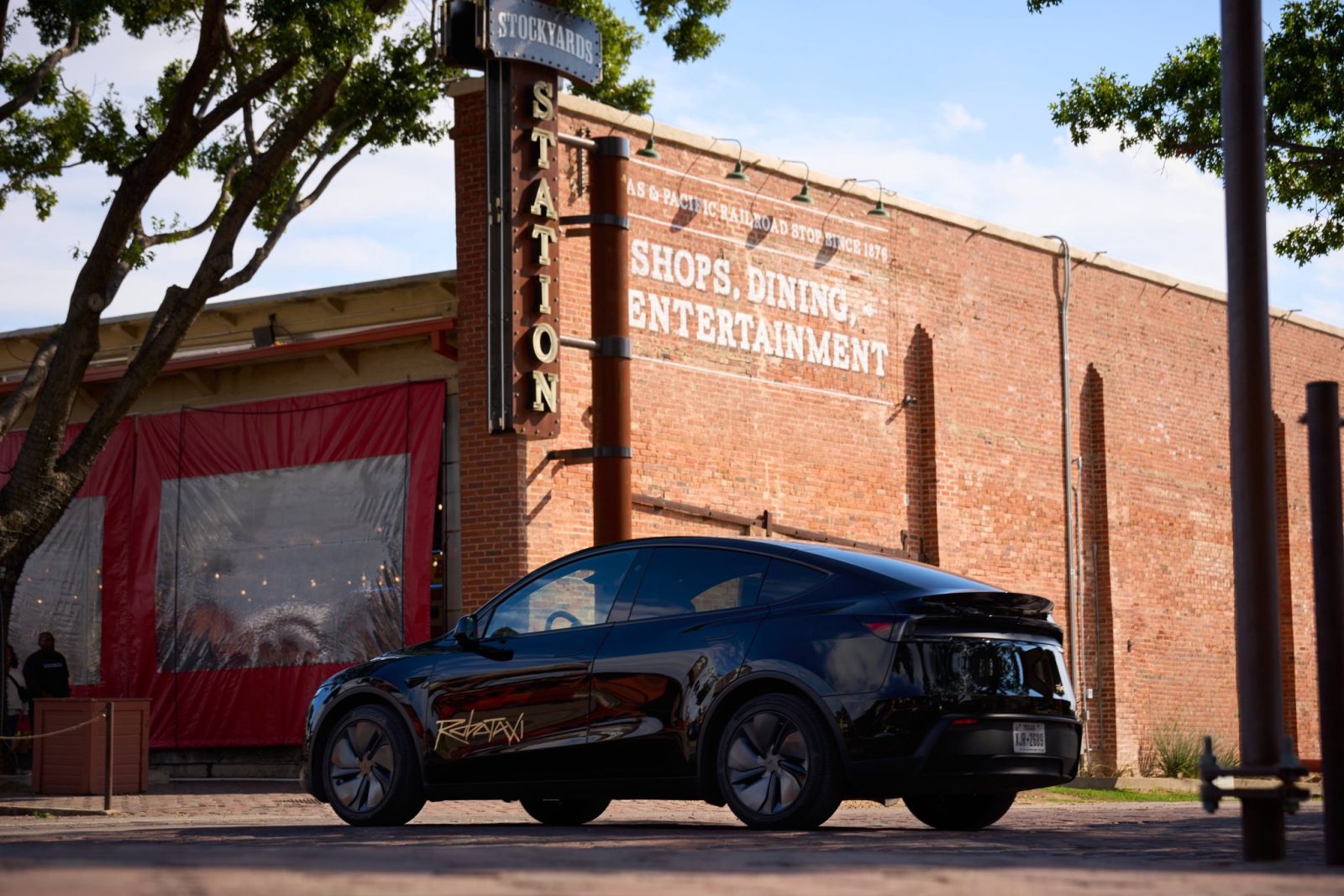
Just after 5 a.m. local time on November 9, Tesla switched on robotaxi service across 272 square miles of San Antonio, the largest geofenced zone the company has opened anywhere. The launch makes San Antonio the fifth Texas city for Tesla's driverless ride-hailing network and the eighth city overall, joining Austin, Dallas, Fort Worth, Houston, Miami, Orlando and Tampa, according to Tesla Oracle.
The San Antonio fleet is built on modified Model Y vehicles; Tesla's two-seat Cybercab remains limited to Austin for now. Combined, Tesla's Cybercab and Model Y robotaxi fleet in Texas has surpassed 1,000 vehicles, with registry trackers putting the statewide count at roughly 1,282 as of early November — just three vehicles behind Waymo's 1,285 in the same state, according to tracking cited by Drive Tesla Canada. That near-parity marks a shift from earlier in the year, when Waymo's Texas fleet ran comfortably ahead.
A geofence race as much as a vehicle-count race
Fleet size tells only part of the story; geofence size tells the rest. At 272 square miles, San Antonio's zone dwarfs the roughly 105 usable square miles Tesla operates within in Fort Worth, suggesting Tesla is willing to greenlight broader coverage areas as its driving software matures rather than expanding city by city with narrow initial zones. Tesla removed safety monitors from its Austin robotaxis in January 2026, enabling genuinely driverless rides in at least that market, though the company has not detailed whether San Antonio launches with or without an in-vehicle monitor.
San Antonio is notable competitive ground because Waymo already operates there. Alphabet's robotaxi unit, which runs a mixed fleet of Jaguar I-Pace and Zeekr RT vehicles across Austin, Dallas, Houston and San Antonio, recently resumed San Antonio service after a five-month pause tied to flooding-related incidents. Tesla's entry puts both companies running driverless rides in the same Texas city for the first time, giving riders — and regulators — a direct side-by-side comparison.
Expansion outpaces usage data
Tesla's city count has grown quickly through 2026, but the company's own operating data has been less consistent. Tesla's robotaxi network reportedly drove fewer paid-passenger miles in the second quarter than the first, even as the geographic footprint expanded. That gap between footprint and utilization is likely to draw scrutiny as San Antonio, Tesla's biggest single geofence, comes online: a large coverage area means little if ride volume does not follow.
Tesla still lacks permits for fully driverless operation in California, where it currently runs a chartered ride-hailing service rather than an autonomous one, underscoring that its expansion so far has been concentrated almost entirely in Texas and Florida. With eight cities now live and a fleet closing in on Waymo's in its home state, the next test for Tesla is converting geographic reach into ride volume that matches it.