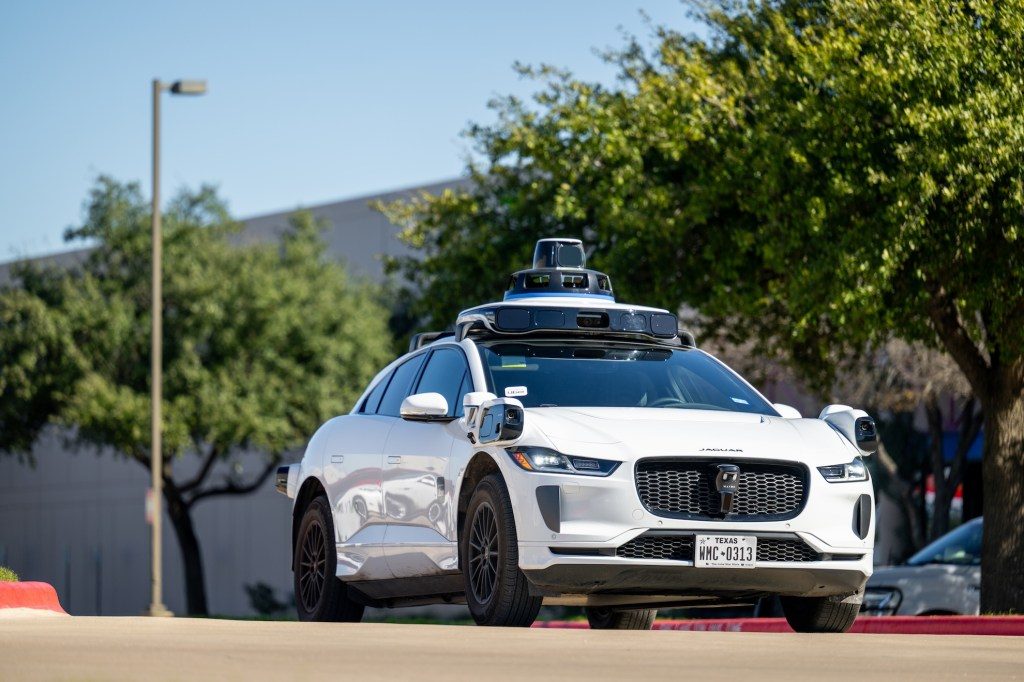
The National Highway Traffic Safety Administration opened a recall query on November 6 covering 2,895 Waymo robotaxis, after finding that most reports of vehicles illegally passing stopped school buses occurred after Waymo had already issued a software fix meant to stop the behavior. The agency's Office of Defects Investigation is now examining whether that remedy actually worked.
The underlying problem dates to October 2025, when NHTSA opened an investigation following an incident in Atlanta in which a Waymo vehicle drove past a school bus that had its stop sign extended, lights flashing, and was unloading children. Waymo pushed a software update to all affected vehicles by November 17, 2025. The new filing shows that fix did not resolve the issue: the Austin Independent School District alone reported at least five further incidents. Waymo says it has received no citations since March 2026 and that "the Waymo Driver has a clearly demonstrated positive impact on roadway safety," per TechCrunch.
Why a Recall Query Carries More Weight Than a Routine Investigation
A recall query is a specific step up from a general safety probe. NHTSA uses it when a company has already issued a remedy and regulators need to determine whether that remedy was adequate before deciding whether a broader, formal recall is warranted. For Waymo, the distinction matters because the company has spent years positioning its driverless technology as a software-defined safety system that improves with every update — a pitch aimed at both riders and regulators as it scales into new cities.
A finding that a safety fix failed to fix the underlying behavior undercuts that pitch at a sensitive moment. Waymo has been expanding its service areas and dropping ride-hailing exclusivity arrangements to launch its own booking app, moves that depend on public and regulatory confidence that its driving stack handles edge cases reliably. School buses with extended stop arms are exactly the kind of rare, high-stakes scenario that autonomous vehicle makers are judged on, since the cost of failure falls on children rather than on the company.
How This Compares Across the Robotaxi Field
Waymo remains the largest operator of driverless robotaxis in the US, running in roughly six cities and widely viewed as ahead of rivals on safety data. Tesla's Robotaxi service, which uses safety drivers or limited supervision in several of its Texas deployments, has not faced a comparable NHTSA recall query, but it also operates under different oversight because of its supervised rollout model. Cruise's 2023 shutdown after a pedestrian-dragging incident remains the industry's cautionary tale for what happens when regulators lose confidence in a company's remedies.
NHTSA's query does not ground Waymo's fleet and does not require an immediate recall. But it sets up a public record of whether a major robotaxi operator's own fix held up under real-world conditions, information that will likely feed into how aggressively other cities and states scrutinize expansion requests from Waymo and its competitors in 2027.