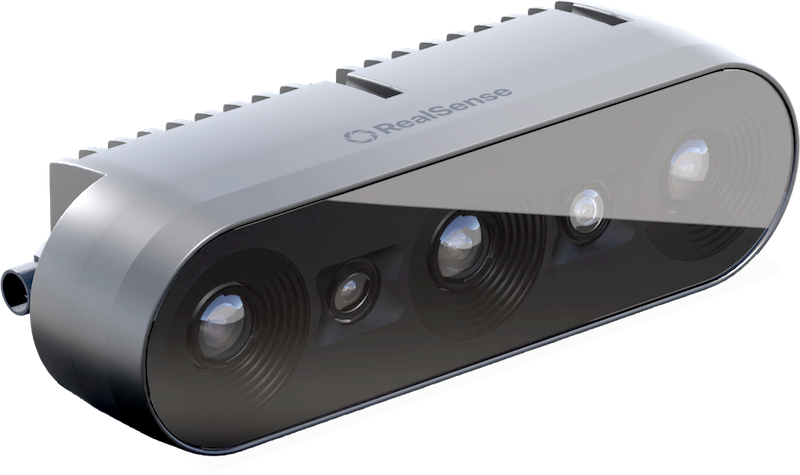
RealSense, the computer-vision company spun out of Intel, has introduced the D585 Pro, an AI-native stereo depth camera built specifically for robots and physical-AI systems. The new module pushes more perception onto the camera itself, a shift the company says is becoming essential as robots take on unstructured, real-world tasks.
A Gen 5 system-on-chip at the core
The D585 Pro is powered by a proprietary Gen 5 system-on-chip that the company says delivers more than twice the depth quality of the previous RealSense generation. By fusing stereo depth and processing in a single device, the camera reduces the compute burden on a robot's host system and tightens the loop between sensing and action, the bottleneck for manipulation and navigation.
Perception as the gating factor for physical AI
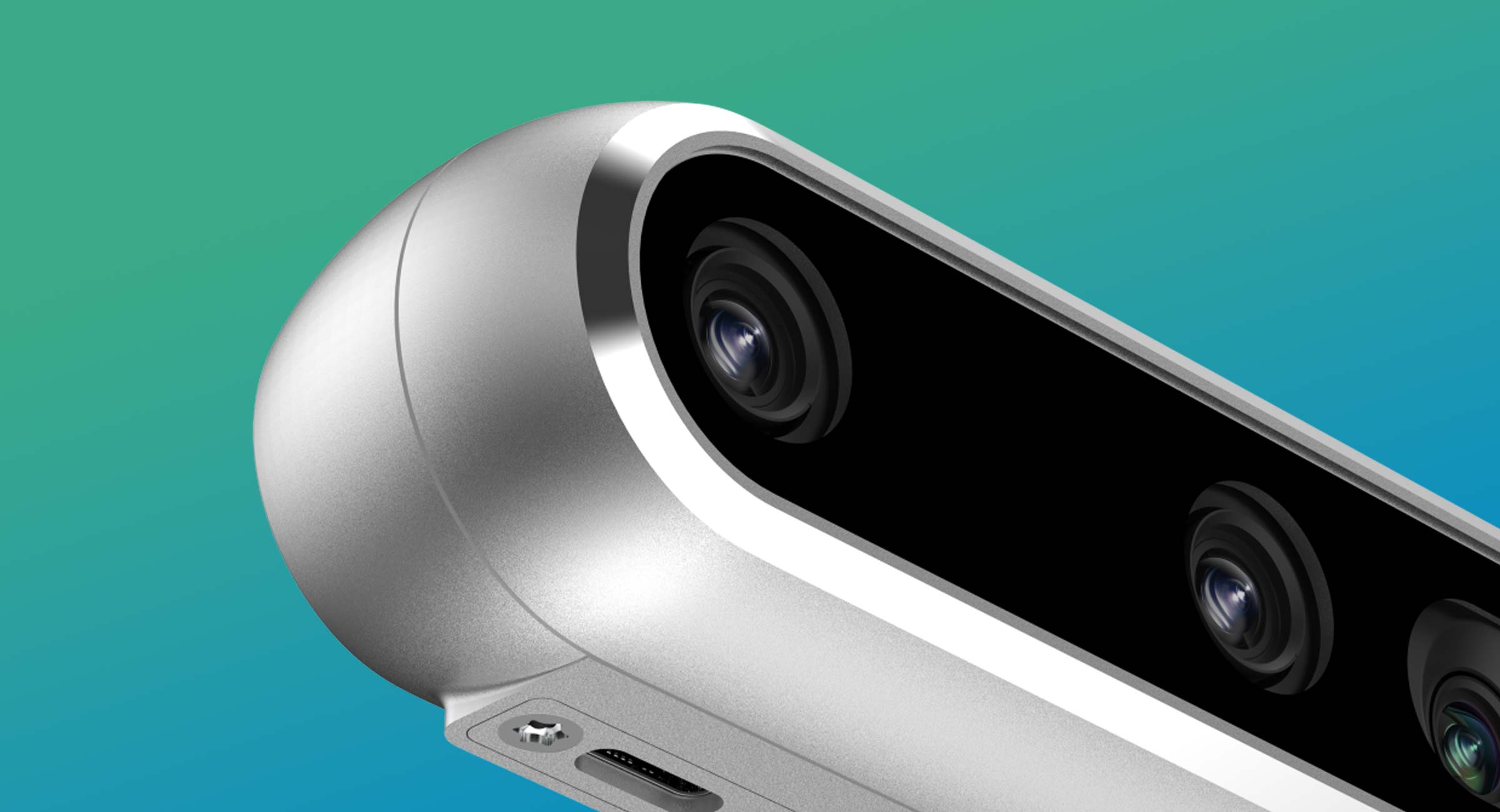
Depth sensing has become a strategic battleground as humanoid and mobile robots move from demos into production. Reliable 3D perception underpins everything from bin picking to obstacle avoidance, and camera makers are racing to deliver it with lower latency and better accuracy. RealSense's hardware already appears in robots, drones, and industrial machines, and the D585 Pro is aimed squarely at developers building on foundation-model stacks such as NVIDIA's Cosmos world models.
Independent, but still Intel-rooted
RealSense became an independent company after years inside Intel, which remains associated with the technology's lineage. The standalone structure lets RealSense focus on perception hardware for the robotics market, where demand is being driven by deployments like Sanctuary AI's automotive physical-AI work and general-purpose platforms such as Genesis AI's Eno robot.
Reporting based on coverage from The Robot Report.