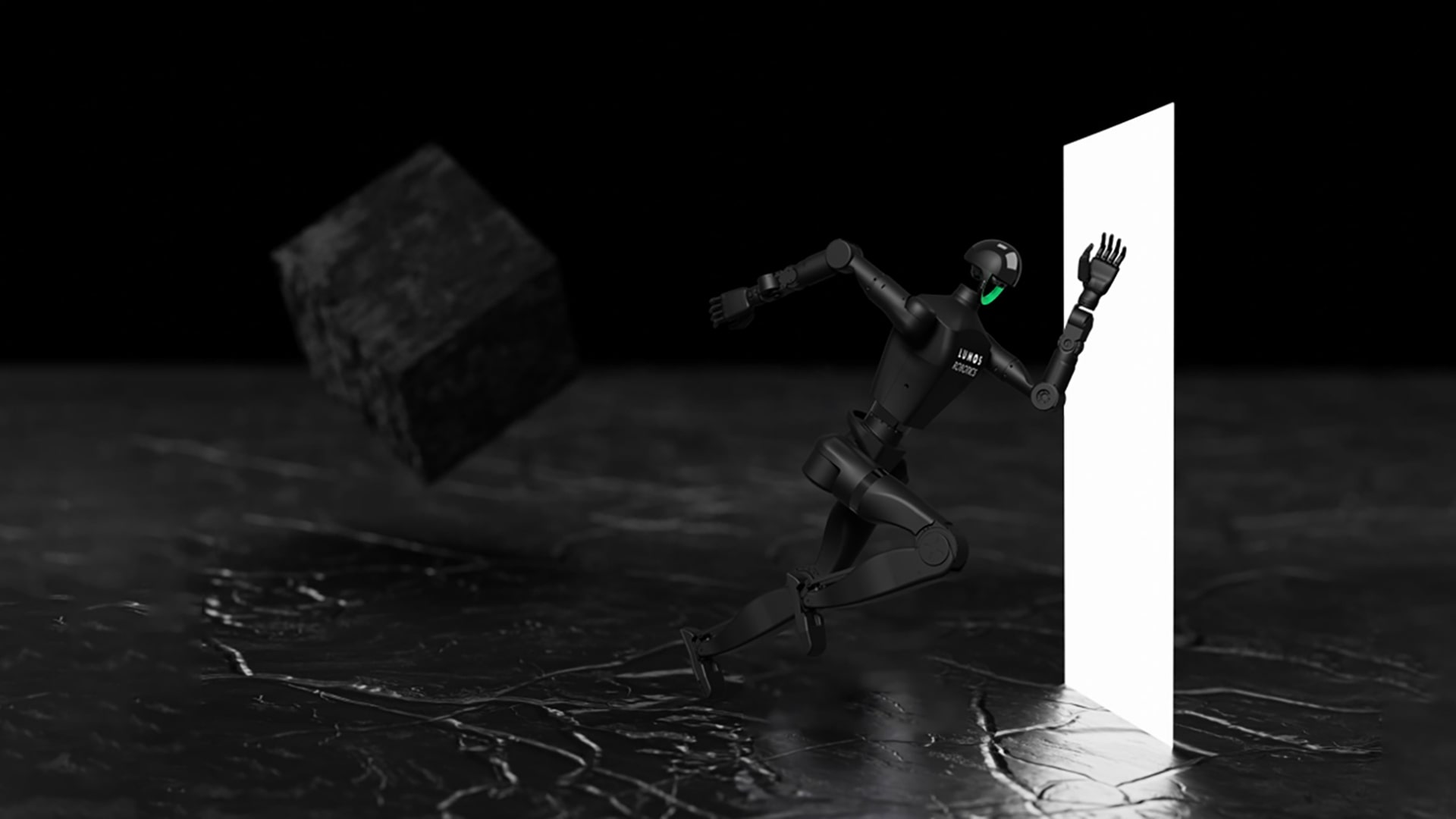
Chinese robotics startup Lumos Robotics is wagering that the next leap in humanoid robots will come from a sense machines have largely lacked so far: touch. The Shenzhen-based company, founded in 2024 by Tsinghua University alumnus Yu Chao, is building full-size humanoids that fuse vision with tactile sensing to handle the contact-rich tasks that trip up camera-only systems.
Why touch matters for humanoids
Most humanoid platforms lean heavily on cameras and large vision-language models to interpret the world. Lumos argues that approach leaves robots "blind" at the moment of contact, when grip force, slippage and surface compliance determine whether a glass is grasped or shattered. Its visuotactile perception stack pairs scene-level vision with force-aware tactile sensors, aiming for safer human-robot interaction and more robust manipulation across varied objects.
The LUS2 platform
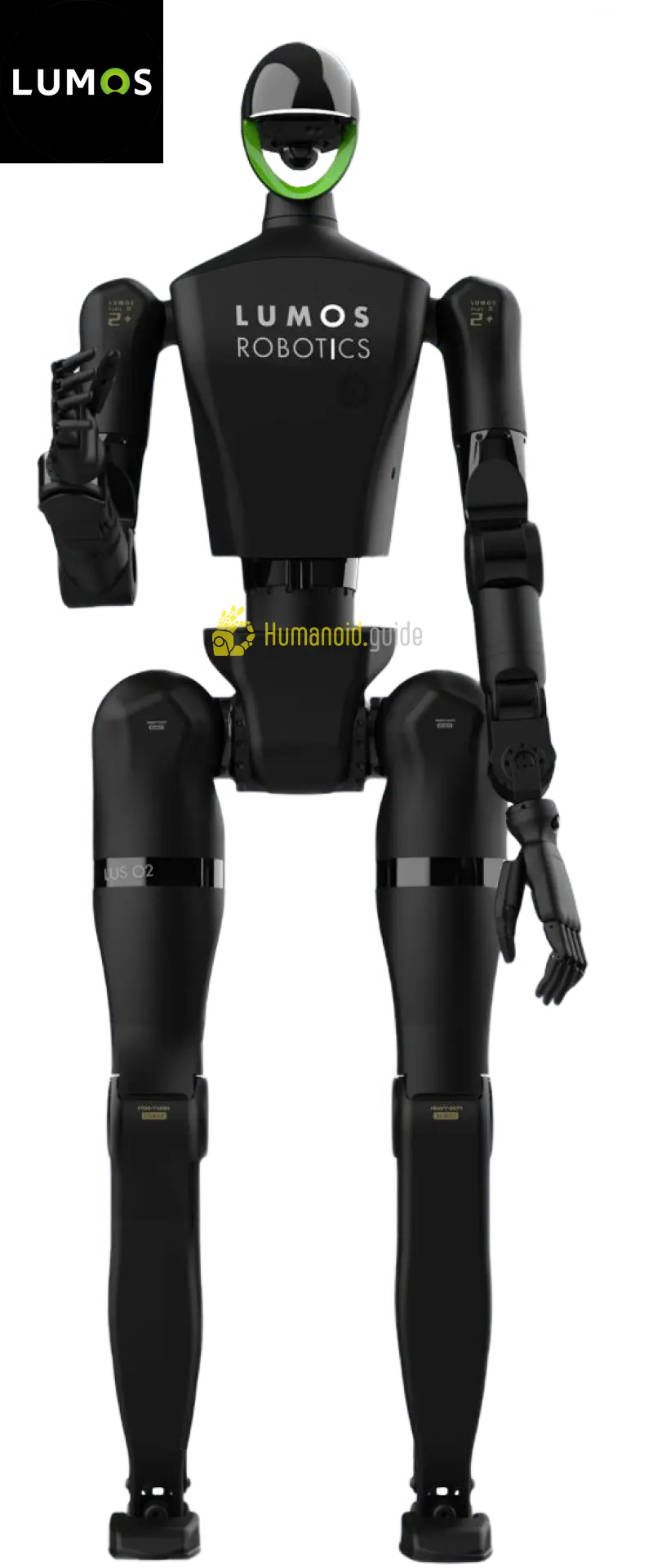
Lumos' flagship is the second-generation LUS2 humanoid, engineered for dynamic agility. Public demonstrations emphasise rapid fall recovery, with the robot standing up from a prone position in roughly one second, alongside contact-aware manipulation. Beyond complete robots, Lumos sells core building blocks including robotic joint modules and visuotactile sensor units, positioning itself as both an integrator and a components supplier in China's crowded embodied-AI scene.
Rapid-fire fundraising
Lumos has been one of the most prolific fundraisers in Chinese embodied AI. By mid-2025 it had already closed multiple angel rounds in quick succession, raising nearly RMB 200 million (about $28 million) cumulatively from investors including Innoangel Fund, SenseCapital, Fosun RZ Capital, Damon Technology and Wuzhong Financial Holdings. The company has continued to raise through 2026 as Chinese institutional and strategic investors pour capital into humanoid hardware, mirroring the funding momentum seen across the sector.
A crowded, well-funded field
Lumos joins a swelling roster of humanoid and embodied-AI contenders. Barcelona's Theker raised a $73 million Series A, while Genesis AI launched its general-purpose robot and Alibaba unveiled a Qwen robot suite for embodied AI. Vingroup's VinDynamics also debuted its Dyno humanoid. Lumos' tactile-first bet is a distinct angle in a race otherwise dominated by vision and locomotion benchmarks.
Reporting based on coverage from 36Kr / KrASIA and humanoid robotics trade publications.