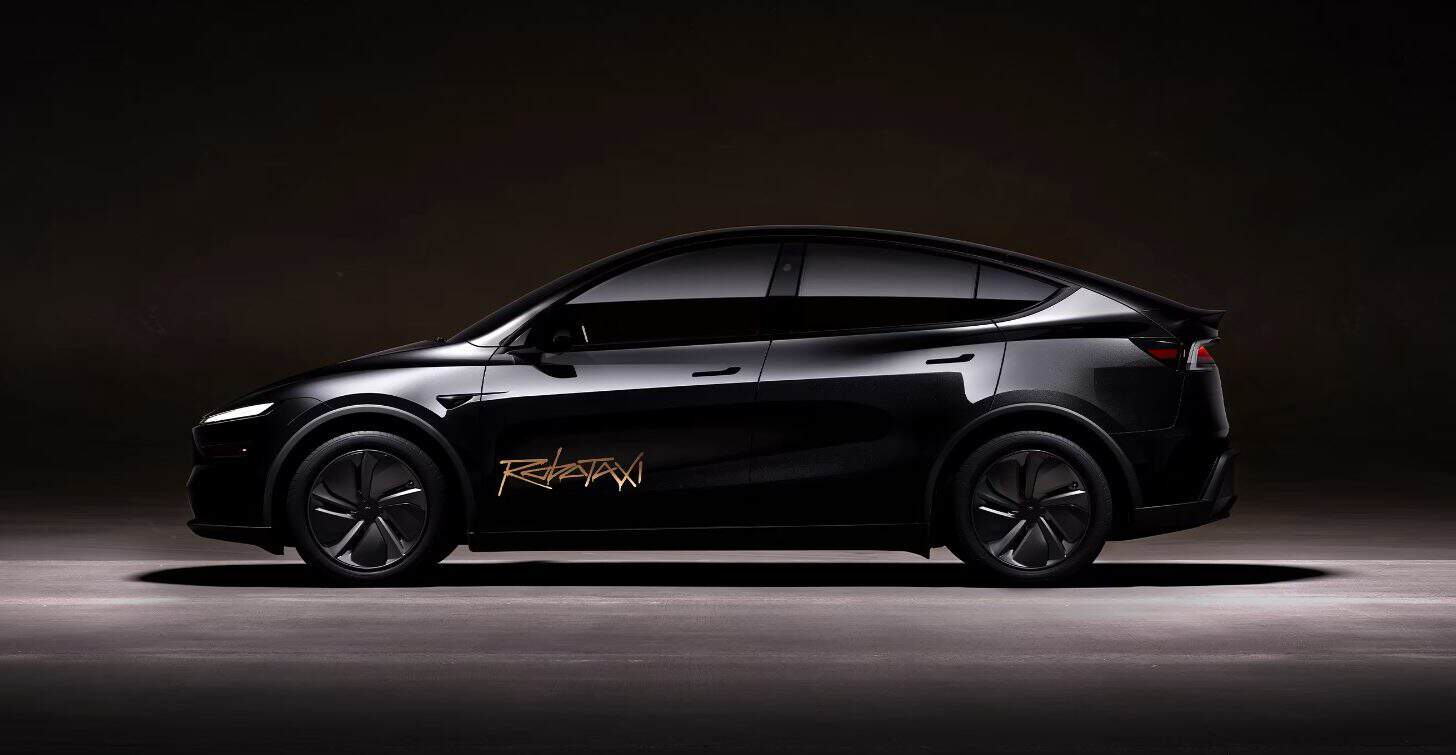
Tesla's Robotaxi service began running 24 hours a day in every city it serves on November 11, 2026, Tesla announced, eliminating the overnight shutdowns that had limited the service since its 2025 launch. "Robotaxi now runs 24/7. Every city we're available in," the company's Robotaxi account posted, a milestone Elon Musk followed up on November 12 by writing that "Robotaxi works 168 hours a week."
The expansion covers every city where Robotaxi currently operates, including Austin, Dallas, Fort Worth, Houston and San Antonio. Service hours had been climbing steadily for months: 16 hours a day as of August 26, 17 hours by October 12, 20 hours by October 30, and now the full 24, a roughly 50% increase in operating hours over 78 days.
Hitting a target set on the October earnings call
Tesla's AI software chief, Ashok Elluswamy, told investors on the company's October earnings call that Tesla planned to unlock 24/7 Robotaxi operation before the end of 2026. The company beat that timeline by about seven weeks. Elluswamy had earlier flagged the move on X in September, replying to a user asking about round-the-clock service that it would arrive "next month or so," tying the capability to a planned software update.
What round-the-clock robotaxis mean for the competition
Continuous operation matters because it changes the economics of a robotaxi fleet: a vehicle that can generate fares at 3 a.m. as well as 3 p.m. earns more per unit without adding a single car. Waymo, which has run 24-hour service in several of its markets for longer, still holds a larger overall US robotaxi footprint, but Tesla has been closing the gap on vehicle counts in Texas specifically, where its registered fleet recently edged past Waymo's on the state's automated vehicle registry. Tesla has also layered on features like trip sharing, in-app rear camera views and a "Calm Mode" ride setting alongside the hours expansion, signs it is trying to compete on rider experience as well as uptime. The open question now is whether Tesla's safety and incident record holds steady as its cars spend more hours on the road overnight, when pedestrian and cyclist visibility is lower and regulators are already watching the sector closely after separate investigations into rival robotaxi operators.