The Xen Project launched a formal Xen Safety Committee on Monday to develop and maintain the engineering artifacts needed to certify its hypervisor for safety-critical use in cars, planes, factories and robots. The initiative is anchored by founding contributors AMD, EPAM Systems and Renesas Electronics, and hosted by the Linux Foundation.
Shared Evidence Instead Of Reinventing The Safety Case
The Safety Committee will collaboratively maintain software safety requirements, architecture specs, MISRA-related engineering, DFMEA analysis, testing frameworks, tooling, code coverage and process documentation that downstream integrators can carry into their own IEC 61508 or ISO 26262 certification programs. "Safety engineering has traditionally required every organization to recreate much of the same foundational work," said Xen community manager Cody Zuschlag. "We believe open source can change that."
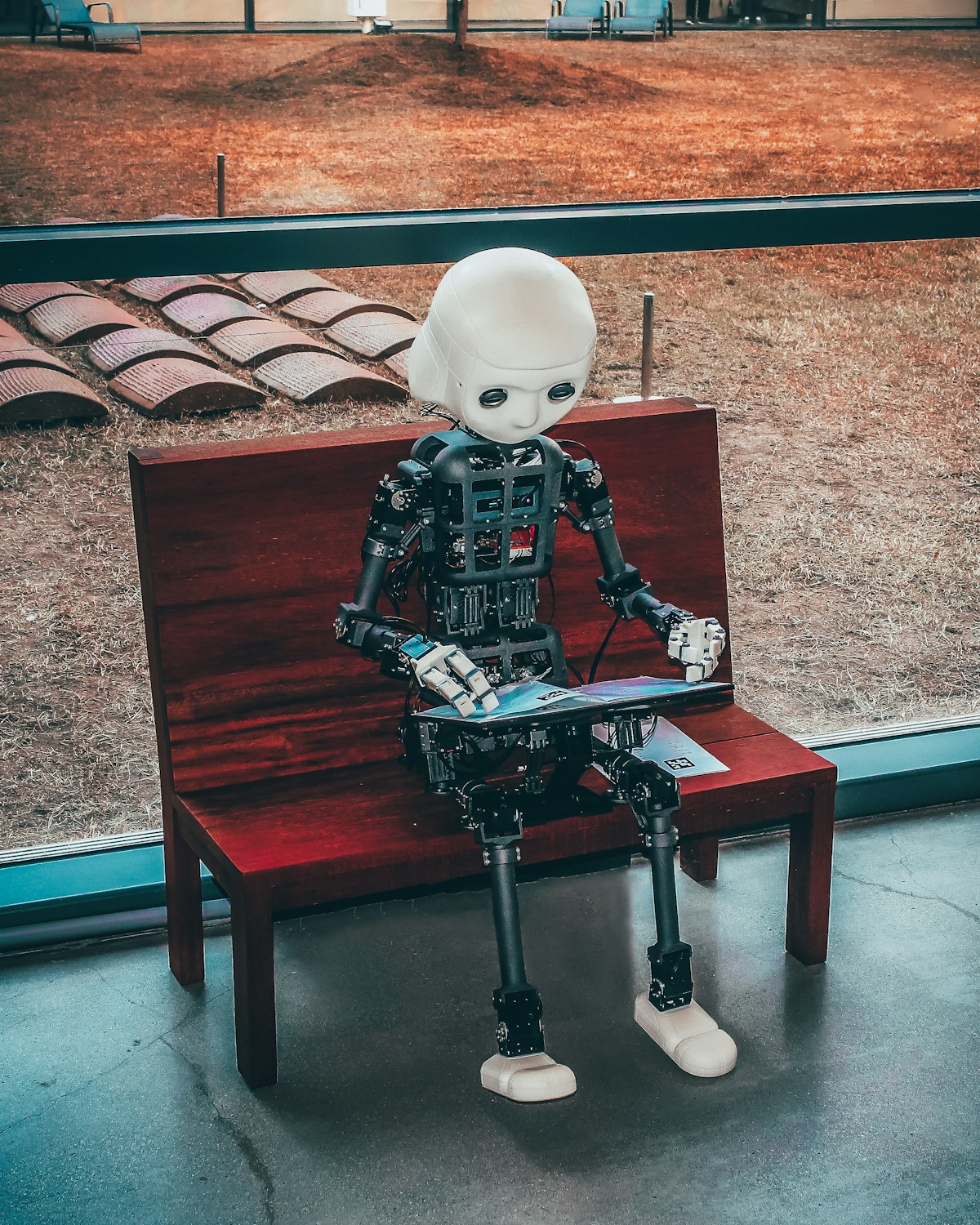
Robots, Cars And Planes Get A Shared Hypervisor Foundation
The move matters because Xen already provides strong isolation between mixed-criticality workloads — think perception, planning and safety-monitoring stacks sitting on the same silicon inside a robot or a software-defined vehicle. Automotive Grade Linux is already using Xen inside its Software Defined Vehicle stack, executive director Dan Cauchy said, and Renesas VP Aish Dubey called the committee "a collaborative framework for developing and maintaining reusable safety artifacts" for automotive platforms.
Five-Year Support Lifecycle And A New Premier Plus Tier
The initiative rides on top of Xen's newly extended five-year support lifecycle — three years of regular support plus two more of security fixes — and a new Premier Plus membership tier for organizations pursuing formal certification. Premier Plus members appoint voting seats on the Xen Advisory Board and Safety Committee and get access to shared engineering artifacts for use with qualified safety assessors. See related coverage of Molex's humanoid-scale MiniMix connector, Celona's Orion agentic wireless fabric for physical AI and Point2's $136M Series B.
Reporting based on the Linux Foundation's August 17, 2026 announcement and coverage from The Register.